Gresiofulvin (Griseofulvin): Comprehensive Patient Information
Basic Product Information
| International Non-proprietary Name (INN) | Griseofulvin |
|---|---|
| Australia Brand Names | Grisovin-FP, Grifulvin V (imported), Griseofulvin GH, Gris-PEG |
| ATC Code | D01BA01 |
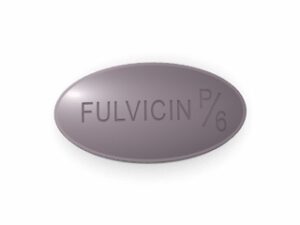
| Available Forms and Strengths | Tablets (125 mg, 250 mg, 500 mg); Oral suspension (125 mg/5 mL, not always available) |
| Manufacturers | Mylan (Viatris), Sigma Pharmaceuticals, Arrotex, Generic suppliers |
| Prescription Status | Prescription Only Medicine (Schedule 4, S4) |
Mechanism of Action
Griseofulvin is an antifungal medicine that works by stopping the growth of fungi that cause infections of the skin, hair, and nails. It interferes with the function of fungal cells by binding to their microtubules, which disrupts the cell division process and prevents the fungus from spreading.
For specialists: Griseofulvin binds to keratin precursors, rendering them resistant to fungal invasion, and disrupts the mitotic spindle by binding to tubulin, inhibiting fungal mitosis.
Pharmacokinetics
- Absorption: Griseofulvin is slowly and incompletely absorbed from the gastrointestinal tract. Absorption is significantly enhanced when taken with fatty meals.
- Metabolism: Primarily hepatic (liver) via demethylation and glucuronidation.
- Elimination: Mostly in the urine as metabolites; small amounts appear in faeces and sweat.
- Duration of Action: Griseofulvin concentrates in newly formed keratin; effects last until the infected tissue is naturally shed/replaced.
- Time to Peak Concentration: 4–5 hours after oral dosing.
- Half-life: Average 9–24 hours (varies by individual).
Use in Everyday Life and Best Practices
Griseofulvin is used mainly to treat fungal infections of the skin, scalp, hair, and nails that do not respond to topical creams or ointments. Common conditions treated include tinea (ringworm), athlete’s foot, and fungal nail infections.
- Typical Adult Doses: 500 mg–1,000 mg per day depending on severity and site of infection, often divided into one or two daily doses.
- Children: 10–20 mg/kg daily (up to a maximum of 1 g daily).
- Duration: Skin infections (2–6 weeks), scalp/hair infections (4–8 weeks), nail infections (4–12 months).
- How to Use: Take tablets whole with water and, ideally, with food that contains some fat (e.g. milk, yoghurt, eggs, avocado, meats, cheese, full-fat milk drinks) for maximum absorption.
Dosing in the Morning vs Evening
- Morning Dosing: May be easier to remember and can be taken with a full breakfast for enhanced absorption. Useful for routine, especially in school children.
- Evening Dosing: Suitable if taking other evening medications. Ensure it is taken with a meal, not on an empty stomach.
- Tip: Take at the same time each day (morning or evening) to help maintain blood levels and improve adherence.
Taking with Food or on an Empty Stomach
Food, especially high-fat meals, significantly increases absorption. It is strongly recommended to take Griseofulvin with or after food, matching the typical English/Australian dietary habits (e.g., with breakfast or dinner).
- If taken without food, effectiveness may be reduced.
- Dairy and full-fat meals are particularly helpful (common in Australian breakfasts).
- Avoid taking with fruit juices or carbonated drinks alone.
Interaction Warnings
| Type | Interaction | Advice |
|---|---|---|
| Alcohol | May increase risk of liver toxicity and flushing reactions | Limit or avoid alcohol during treatment |
| Food | Fatty meals greatly improve absorption | Always take with food for best results |
| Oral Contraceptives | May reduce effectiveness | Use additional contraception during & 4 weeks after treatment |
| Warfarin & anticoagulants | May reduce anticoagulant effect | Increased monitoring may be needed |
| Barbiturates | Decrease Griseofulvin levels | Avoid concurrent use |
Indications: Approved and Off-label Uses
| Condition | Authority Approved? | Notes |
|---|---|---|
| Tinea capitis (scalp ringworm) | Yes | First-line for children |
| Tinea corporis (ringworm of body) | Yes | Oral Griseofulvin if severe/large area |
| Tinea unguium (nail fungus) | Yes | Long courses (months); fluconazole/terbinafine preferred by some |
| Tinea pedis/manuum (athlete’s foot/hand) | Yes | If topical therapy fails |
| Pityriasis versicolor | No | Not effective |
| Other fungal infections | Rare/off-label | Consult infectious disease specialist |
Dosing According to Clinical Indications
| Indication | Adults | Children | Elderly |
|---|---|---|---|
| Tinea capitis | 500 mg/day (up to 1g in severe cases) | 10–20 mg/kg daily | Same as adults, monitor for liver function |
| Tinea corporis/cruris | 500 mg/day | 10 mg/kg daily | Same as adults, monitor dose |
| Tinea unguium (nail) | 1 g/day (in 2–4 divided doses) | Rarely indicated Consult paediatrician | Same as adults, individual risk assessment |
Safety Profile & Side Effects
- Common Side Effects:
- Headache
- Nausea, vomiting, diarrhoea
- Fatigue
- Rash or urticaria (hives)
- Photosensitivity (extra sun sensitivity)
- Altered taste
- Rare but Serious Side Effects:
- Liver toxicity (jaundice, dark urine, persistent nausea)
- Severe skin reactions (Stevens-Johnson syndrome, toxic epidermal necrolysis)
- Blood disorders (leukopenia)
- Allergic reactions (swelling, severe rash)
- Warnings:
- Avoid during pregnancy and in women planning to conceive within 1 month of stopping treatment; may affect sperm and fertility in men
- Regular monitoring of liver and kidney function advised if long-term use
- May worsen lupus symptoms (SLE)
Guidelines for Proper Use
- Always complete the full course, even if symptoms improve early—this helps prevent recurrence and resistance.
- Take Griseofulvin with or after food containing fat (milk-based breakfast, cheese sandwich, or avocado toast are suitable options in Australia).
- Report unusual tiredness, persistent headache, yellowing of the skin, severe rash, or any unexplained symptoms to your doctor or pharmacist.
- Protect treated areas from sun exposure due to increased photosensitivity—use SPF 30+ sunscreen and cover up with clothing and hats.
- Keep regular appointments for blood checks if on long-term therapy (especially for nail infections).
- Always check with a pharmacist or doctor before combining Griseofulvin with any new medication, herbal product, or supplement.
Alternative Treatment Options
- Terbinafine (Lamisil) – Often first-line for nail and skin fungal infections; shorter treatment duration, higher cure rates for nails, but not used for scalp ringworm in children.
- Itraconazole (Sporanox) – Effective for nail and skin infections; shorter pulse regimens, more drug interactions, not suitable for children.
- Fluconazole (Diflucan) – Used in select cases, well-tolerated, oral suspension useful for children.
- Topical agents (clotrimazole, terbinafine, miconazole, ketoconazole, econazole) – Suitable for mild, localised infections.
Pros and Cons: Griseofulvin is preferred for scalp infection in children but has longer courses and more side effects than terbinafine or itraconazole for nail fungal infections. Always weigh options with your healthcare provider.
Legal, Registration, and Reimbursement Status in Australia
- Legal Status: Schedule 4 (Prescription Only Medicine)
- Australian Register of Therapeutic Goods (ARTG): Registered for systemic fungal infections of skin/hair/nails. Check ARTG (www.tga.gov.au) for current status.
- Reimbursement: Subsidised by the Pharmaceutical Benefits Scheme (PBS) for approved indications such as scalp ringworm in children and difficult-to-treat tinea infections. Check eligibility at pbs.gov.au.
Latest Research and Clinical Guidance (2022–2025)
- Recent Australian guidelines continue to recommend Griseofulvin as a first-line systemic therapy for tinea capitis in children (<12 years), reflecting its efficacy and safety profile (Therapeutic Guidelines Australia, 2022).
- Shorter courses of terbinafine are preferred for nail (ungual) dermatophytosis in adults due to superior efficacy and safety (JAMA Dermatology, 2023).
- Increasing resistance rates among some fungal species to newer antifungals highlight the ongoing clinical role for Griseofulvin, particularly in paediatric and resource-limited settings (Lancet Infectious Diseases, 2024).
- The Therapeutic Goods Administration (TGA) recommends careful liver function monitoring during prolonged therapy.
Availability and Delivery
| Pack Size | Contents | Indicative Price (AUD)* | Availability |
|---|---|---|---|
| 100 tablets | 500 mg/tablet | $34–42 (PBS concessional); $75–120 (private) | Available on order in most Australia pharmacies |
| 20 tablets | 125 mg/tablet | $10–18 (private) | Available by special order |
- *Prices may vary by location, PBS eligibility, and pharmacy supplier.
| City | Delivery Time (working days) | In-Store Pickup? |
|---|---|---|
| Sydney | 1–2 | Yes |
| Melbourne | 1–2 | Yes |
| Brisbane | 1–3 | Yes |
| Perth | 2–4 | Yes (may need order-in) |
| Adelaide | 1–3 | Yes |
| Hobart | 2–5 | By order |
Frequently Asked Questions (FAQ)
- Can I drink alcohol while taking Griseofulvin?
It is best to limit or avoid alcohol as it can increase the risk of liver side effects and cause flushing or severe reactions. Speak to your pharmacist or doctor for personal advice. - How long do I need to take Griseofulvin for my infection to clear?
Duration varies: skin infections usually 2–6 weeks, scalp 4–8 weeks, nail infections up to 12 months. Always follow your doctor’s instructions and do not stop early, even if symptoms improve. - Can children take Griseofulvin?
Yes; in fact, it is the preferred oral treatment for scalp ringworm (tinea capitis) in children. Doses are based on body weight and usually well tolerated. - What should I do if I miss a dose?
Take the missed dose as soon as possible, preferably with food. If it is almost time for your next dose, skip the missed dose and resume the regular schedule. Do not double up to catch up. - Is Griseofulvin suitable during pregnancy or breastfeeding?
Griseofulvin is not recommended in pregnancy or breastfeeding. Effective contraception is advised for both men and women during and for at least 4 weeks after treatment. Discuss options with your healthcare provider.
For further information, consult your local pharmacist, GP, or visit the Therapeutic Goods Administration (TGA) website.