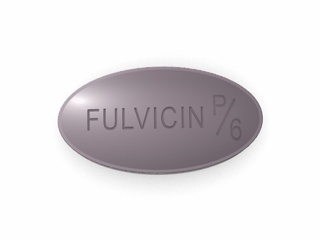
Fulvicin (Griseofulvin) – Patient Information for Australia
Basic Product Information
| International Nonproprietary Name (INN) | Griseofulvin |
|---|---|
| Common Australia Brand Names | Fulvicin®, Grisovin® |
| Anatomical Therapeutic Chemical (ATC) Code | D01BA01 |
| Available Forms & Strengths | Tablets (125 mg, 250 mg, 500 mg) |
| Manufacturers | Alphapharm, Aspen, Arrow, Sigma (varies by state/territory) |
| Prescription Status in Australia | Prescription Only Medicine (S4) — must be prescribed by a registered medical practitioner. |
Fulvicin (Griseofulvin) is an antifungal medication used primarily to treat specific types of fungal infections of the skin, hair, and nails that have not responded to topical treatment. It is approved by the Therapeutic Goods Administration (TGA) and widely used across Australia for these indications.
Mechanism of Action
For Everyone: Fulvicin works by stopping fungi (dermatophytes) from growing and spreading. It targets the parts of fungi responsible for causing common skin, scalp, and nail infections.
For Specialists: Griseofulvin inhibits fungal cell mitosis by binding to microtubular proteins and disrupting the mitotic spindle, thereby interfering with the replication of fungal DNA. It binds to keratin precursor cells, causing new keratin to become resistant to fungal invasion.
Pharmacokinetics
- Absorption: Variable oral bioavailability (enhanced by fatty meals).
- Distribution: Concentrates in keratin precursor cells of skin, hair, and nails.
- Metabolism: Hepatic (liver), primarily via demethylation and glucuronidation.
- Elimination: Mainly in urine (as metabolites); some via faeces.
- Duration of Action: Peak plasma concentration in about 4–6 hours; therapeutic effects in target tissues often persist for weeks after discontinuation due to retained levels in keratin.
Use in Everyday Life and Best Practices
- Typical Dosing (adults): Usually 500 mg to 1000 mg once daily or divided into two doses, depending on severity and indication.
- How to Use: Take regularly at the same time each day, with or after a high-fat meal/snack (milk, yoghurt, eggs, or cheese commonly recommended in English diets), to improve absorption and reduce stomach upset.
- Finish the full course prescribed, even if symptoms improve before completion.
- Important: Griseofulvin is usually prescribed for several weeks to months, depending on the infection site (nails require longer treatment than skin).
In the English lifestyle context, it is practical to link the medication to a consistent daily routine (such as breakfast or dinner). Do not share your medication with others, and regularly wash clothes, towels, and bedding to prevent reinfection or spread.
Dosing in the Morning vs Evening
- Morning: Supports adherence if taken with breakfast; may minimise risk of forgotten doses during the day. Suitable if combined with a full, fatty breakfast.
- Evening: Can be taken with dinner for similar absorption. However, for some patients, may cause mild drowsiness—monitor for side effects.
The most important factor is consistency—take Fulvicin at the same time each day with food, as advised by your pharmacist or doctor. If a dose is missed, take it as soon as remembered, unless it is almost time for the next dose (then skip the missed dose).
Taking With Food or on an Empty Stomach
- Taking Fulvicin with food, especially fatty foods, is strongly recommended as it increases absorption and effectiveness.
- If taken on an empty stomach, less medicine may reach affected tissues, potentially reducing the treatment’s success.
- Popular English/Australia meal ideas for boosting absorption: cooked breakfast (eggs/bacon), full-fat yoghurt, cheese on toast, or whole milk with cereal.
- Avoid overly restrictive or low-fat diets during treatment unless otherwise advised by your doctor.
Interaction Warnings
| Type of Agent | Interaction & Advice |
|---|---|
| Alcohol | May increase risk of liver side effects; avoid or limit intake. |
| Warfarin (anticoagulant) | May decrease effectiveness of warfarin; INR monitoring advised. |
| Oral Contraceptives | Can reduce contraceptive effectiveness; consider alternative or additional contraception during and one month after treatment. |
| Barbiturates | May decrease griseofulvin effect by increasing its metabolism. |
| Other Antifungals (e.g. terbinafine, azoles) | Concurrent use not usually recommended; discuss with doctor. |
| Cyclosporin | Griseofulvin may reduce cyclosporin levels. |
| Fatty Foods (High-Fat Meals) | Beneficial—improves absorption (recommended). |
- Always inform your healthcare provider about all medicines and supplements you are taking.
Indications
| Indication | Official (TGA Approved/Labelled) | Off-Label |
|---|---|---|
| Tinea capitis (scalp ringworm) | ✔ | |
| Tinea corporis (body ringworm) | ✔ | |
| Tinea unguium (onychomycosis/nail infection) | ✔ | |
| Tinea pedis (athlete’s foot) | ✔ | |
| Tinea barbae (beard fungus) | ✔ | |
| Fungal infections unresponsive to topical therapy | ✔ | |
| Chromomycosis, deep/systemic mycoses | ✘ Not recommended, limited efficacy |
- Primarily indicated for dermatophyte infections of the skin, scalp, and nails.
- Unsuitable for most yeast or candida infections, or fungal infections not caused by dermatophytes.
Dosing According to Clinical Indication
| Patient Group | Tinea capitis/corporis/ barbae/pedis | Tinea unguium (nails) |
|---|---|---|
| Adults | 500–1000 mg daily in single or divided doses | 1000 mg daily (up to 6 months, toenails may require longer) |
| Children (>2 years) | 10–20 mg/kg/day in single or divided dose (max 1g/day) | Same as above, for duration advised by paediatrician |
| Elderly | As for adults, but start at lower end of range and monitor liver function | As for adults |
Treatment duration may range from 2–6 weeks (skin), 6–12 weeks (scalp), to up to 6–12 months for toenail infections.
Safety Profile and Side Effects
Fulvicin is generally well-tolerated with proper use, but side effects can occur.
| Side Effect | Frequency | Notes/Precautions |
|---|---|---|
| Headache | Very Common | Usually mild; may resolve with continued use |
| Stomach upset/nausea/vomiting | Common | Take with food to reduce risk |
| Rash/hives | Uncommon | Stop medicine and seek medical advice if severe |
| Photosensitivity (sun rash) | Uncommon | Use sun protection (hat, sunscreen) |
| Liver function changes | Rare | Liver blood tests may be needed during prolonged use |
| Bone marrow suppression | Very rare | Seek urgent attention for unusual bruising/bleeding |
| Confusion, dizziness, fatigue | Rare | Do not drive or operate machinery if affected |
- Allergic reactions are possible (immediate medical attention required).
- Tell your doctor if pregnant, planning pregnancy, or breastfeeding: Fulvicin is not routinely recommended in pregnancy due to risk of foetal abnormalities.
Guidelines for Proper Use (Practical Tips for Australia)
- Take medicine at the same time each day with a high-fat meal for best effect.
- Wear sun protection (Australian sun is strong; griseofulvin may increase sun sensitivity).
- Maintain good hygiene; wash infected clothing, socks, towels, hats, and bedding frequently in hot water.
- Notify your doctor/pharmacist of any new or unusual symptoms.
- Adhere to all medical appointments for follow-up and blood tests as advised.
- Seek urgent advice if you develop jaundice (yellow skin/eyes), sore throat, fever, tiredness, or severe skin reaction.
Alternative Treatments
| Alternative | Form | Pros | Cons | PBS Reimbursed |
|---|---|---|---|---|
| Terbinafine (Lamisil®) | Tablet | Shorter course (usually 2–6 weeks for skin); better for nail infections | Not for all fungi; some liver risk; drug interactions | ✔ |
| Itraconazole (Sporanox®) | Capsule | Effective for nail/skin; pulsed dosing | Not suitable in heart failure; more drug interactions | ✔ (restricted) |
| Fluconazole | Capsule | Some off-label use; generally well-tolerated | Less effective for some dermatophytes; PBS restrictions | ✔ (restricted) |
| Topical antifungals (clotrimazole, terbinafine cream) | Cream/spray | Few side effects, over-the-counter | Not effective for hair/nail infections or widespread disease | N/A |
- Your doctor will discuss tailored alternatives if Fulvicin is unsuitable.
Legal, Registration, and Reimbursement Status in Australia
- TGA registered prescription medicine—approved for human use (ARTG: Australian Register of Therapeutic Goods # varies by brand).
- S4/POM medication: available on prescription from Australian GPs, paediatricians, dermatologists, infectious diseases physicians.
- Pharmaceutical Benefits Scheme (PBS) subsidises Fulvicin for specific fungal infections as per PBS regulations. Check current Schedule for eligibility.
- Not available over the counter. Not listed for veterinary use unless specifically prescribed.
- Regular monitoring and reporting of side effects occur via the Therapeutic Goods Administration.
Latest Research and Clinical Guidance (2022–2025, EN Literature)
- Recent guidelines highlight terbinafine as first-line for most dermatophyte infections (2023 Australasian College of Dermatologists; see: Aust J Dermatol 2023).
- Fulvicin remains useful for tinea capitis (especially in children) and when other treatments are contraindicated or failed (PubMed 2023).
- No increased resistance trends for griseofulvin in Australia-based studies, but alternative therapies may be required for stubborn or recurrent cases.
- Ongoing research supports combination therapy in unresponsive cases, but medical supervision is needed.
Availability and Delivery in Australia
| Pack Size (Tablets) | Approximate Cost (AUD) | Common Availability | Indicative Delivery Time (Business Days) |
|---|---|---|---|
| 30 | $16–$32 (with PBS subsidy) | All capital city and regional pharmacies |
|
| 100 | $45–$74 (with PBS subsidy) | Usually by request/order; often next-day to capital cities | Same as above (+1 day for special-order) |
- Prices may vary by pharmacy, location, and eligibility for PBS subsidy.
Frequently Asked Questions (FAQ)
- Q1: How long does Fulvicin take to work and when will I notice improvement?
A: Most patients notice some improvement within 1–2 weeks for skin infections and within 4 weeks for scalp and nail infections. Full effect for nail infections may take several months. - Q2: Can I drink alcohol while taking Fulvicin?
A: Alcohol is best avoided or limited as it increases the risk of liver side effects when combined with Fulvicin. - Q3: Can I stop treatment once my symptoms improve?
A: No, finish the entire course prescribed by your doctor, as stopping early may result in the infection returning. - Q4: Is it safe during pregnancy or breastfeeding?
A: Fulvicin is generally not recommended in pregnancy or while breastfeeding except in special cases. Discuss all family planning with your doctor. - Q5: What should I do if I miss a dose?
A: Take the missed dose as soon as you remember, unless it is close to your next scheduled dose. Do not double up doses.
For questions, speak to your GP, pharmacist, or call Healthdirect Australia (1800 022 222) for reliable advice.