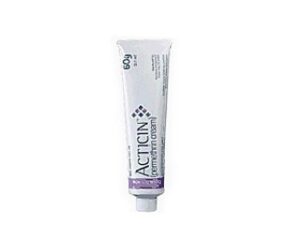
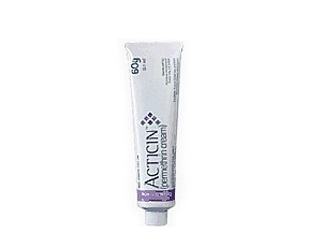
Acticin (Permethrin) Cream – Patient Information for Australia
Basic Product Information
| Active Ingredient (INN) | Permethrin |
|---|---|
| Brand Names (Australia) | Acticin, Lyclear, Permethrin Chemists’ Own |
| ATC Code | P03AC04 |
| Available Forms & Strengths | Cream 5% (30g, 60g tubes); lotion 1% (for lice) |
| Manufacturers | GSK Australia, Ego Pharmaceuticals, various generics |
| Prescription Status | Over-the-counter (OTC) for topical forms; prescription-only in some indications or strengths |
Mechanism of Action
For Patients: Permethrin is an antiparasitic medicine used on the skin. It works by paralyzing and killing tiny mites and lice that cause infections, such as scabies and head lice. Permethrin targets the nervous system of these parasites without significantly affecting humans, making it safe when used as directed.
For Clinicians and Specialists: Permethrin is a synthetic pyrethroid that acts on voltage-gated sodium channels in parasite nerve membranes, prolonging depolarisation and causing paralysis and death. Its selectivity for invertebrate sodium channels underlies its safety in humans.
Pharmacokinetics
- Absorption: Less than 2% is absorbed via healthy skin; absorption may increase with damaged or inflamed skin.
- Metabolism: Rapidly metabolised primarily in the liver by ester hydrolysis and oxidation.
- Elimination: Mainly excreted via the kidneys in the urine as metabolites within 24–48 hours.
- Duration of Action: A single application is usually effective for up to 14 days; residual insecticidal effect on skin lasts several hours post-application.
Use in Everyday Life and Best Practices
In Australia, Acticin (Permethrin) cream is widely used at home and in clinical settings to treat scabies. Proper and thorough application is essential for success. The cream should be applied to cool, dry skin and rubbed into all areas from the neck down, including under fingernails, soles, and between fingers and toes. In children under 2 years, including the scalp, face, and ears is also recommended. Wash off after 8 to 14 hours (usually overnight). Bedding and clothing should be washed in hot water (>50°C) to prevent reinfestation.
- For head lice, the 1% lotion is used and instructions differ (see packaging).
- Repeat the treatment after 7–14 days if live mites/lice persist.
- All family/close contacts should be treated simultaneously.
- Take care to avoid contact with the eyes, mouth, and mucous membranes.
Dosing in the Morning vs Evening
- Evening/Night Application (Preferred): Most effective for scabies as it allows the cream to remain on the skin for the required duration while sleeping. Reduced risk of washing or rubbing off.
- Morning Application: Possible but less convenient; higher chance of cream being wiped or washed off during daily activities.
- Tip: Establish a regular bedtime routine for best results. Always follow the timing indicated by your doctor or the product leaflet.
Taking with Food or on an Empty Stomach
As Permethrin is for external (topical) use only, food or drink does not affect its effectiveness or absorption. In Australian practice, there are no dietary restrictions or requirements. Good personal hygiene and standard laundry practices should be maintained during treatment.
Interaction Warnings
Permethrin topical formulations have minimal systemic absorption, so drug and food interactions are rare. However, caution is advised:
| Interaction | Recommendation |
|---|---|
| Other topical medications | Avoid simultaneous application on the same skin area; may cause irritation or alter Permethrin's effect. |
| Corticosteroids (creams) | May reduce inflammation but can mask scabies symptoms; avoid concurrent use where possible. |
| Alcohol (skin, drinks) | No impact when ingested. Avoid use with ethanol-based skin products to minimise irritation. |
| Oral drugs (antihistamines, etc.) | No known significant interaction. |
| Severely damaged skin (eczema, burns) | Increased absorption possible—consult GP or pharmacist. |
Indications
| Indication | Official (TGA) | Off-label |
|---|---|---|
| Scabies (common scabies, crusted scabies) | ✔ | |
| Head Lice (Pediculosis capitis) | ✔ (1% lotion) | |
| Body Lice, Pubic Lice | ✔ (some preparations) | |
| Demodex infestations, other mites | May be considered (specialist recommendation) |
Dosing According to Clinical Indication
| Population | Indication | Dosage | Frequency |
|---|---|---|---|
| Adults | Scabies | Apply 5% cream liberally to the whole body below neck; include all creases. Single application, repeat after 7–14 days if required. | Once (may repeat) |
| Children (>2 months) | Scabies | Apply as for adults; in infants/young children, include scalp, face, and ears. Avoid mouth/eye contact. | Once (may repeat) |
| Elderly & immunocompromised | Scabies | As for adults; may require more thorough application (e.g. under nails, buttocks, genitalia). | Once (may repeat) |
| Adults & children | Head lice* | Apply 1% lotion to dry hair and scalp, leave for 10min, rinse out, comb with fine-tooth comb to remove nits. | Repeat after 7 days |
*See product packaging for lice specifics; always check with pharmacist or doctor.
Safety Profile and Side Effects
- Common: Mild burning, tingling or stinging, itching (may persist for 2–4 weeks), mild redness, skin dryness.
- Occasional: Swelling, rash, worsening eczema, mild local irritation.
- Rare/Serious: Allergic skin reactions, severe itching or blistering, contact dermatitis (stop use and seek advice).
- Warnings: Not for use in children under 2 months unless advised by a doctor. Avoid eye and mucous membrane contact. Use only as directed; inappropriate or prolonged use may cause reactions.
Guidelines for Proper Use (Australia)
- Apply to clean, cool, dry skin. Do not take a hot bath before application (increases absorption).
- Use gloves for application, especially when treating others.
- Trim fingernails and apply under nails; scabies mites often hide here.
- Apply to all skin surfaces, including between fingers/toes and under arms. In very young children/elderly, include scalp, face, and ears (avoid eyes, mouth).
- Leave on for 8–14 hours (overnight). Wash off thoroughly with soap and water in the morning.
- Wash all clothing, sheets, and towels in hot water after use. Items that cannot be washed may be sealed in a bag for at least 72 hours.
- Inform close contacts and treat them simultaneously.
Australian pharmacists can provide guidance on treatment steps and practical advice for managing outbreaks in communal settings (e.g., schools, aged care).
Alternative Treatment Options
- Benzyl Benzoate: Effective but can be more irritating, especially in children; often cheaper but less tolerated.
- Ivermectin (oral): Prescription only; used for severe or crusted scabies, outbreaks, or when topical treatments fail. Higher cost, requires doctor supervision, not for pregnant/breastfeeding women.
- Malathion (lice): Used for head lice infestations; longer application needed, possible odour.
- Crotamiton: Less effective, sometimes used if permethrin unsuitable.
| Product | Pros | Cons | NFZ Coverage? |
|---|---|---|---|
| Permethrin (Acticin) | Highly effective, well-tolerated, first-line | Possible irritation; two applications often needed | ✔ (PBS for some indications) |
| Benzyl Benzoate | Low cost | Skin irritation, not recommended for young children | ✔ |
| Ivermectin (oral) | Systemic action, non-topical | Prescription only, cost, not for pregnancy | ✔ (restrictive) |
Legal, Registration, and Reimbursement Status in Australia
- Therapeutic Goods Administration (TGA): Permethrin is TGA-approved; multiple brands registered.
- Pharmaceutical Benefits Scheme (PBS): Some forms reimbursed under PBS for scabies and lice.
- Prescription: Most creams/lotion are OTC for lice; cream for scabies may require prescription (check local pharmacy).
- Availability: Widespread in pharmacies across all Australian states and territories.
Latest Research & Clinical Guidance (2022–2025)
- Clinical guidelines from the Royal Australian College of General Practitioners (RACGP, 2023) and Australasian College of Dermatologists (2024) consider 5% permethrin cream first-line for scabies.
- A 2023 study in the Medical Journal of Australia demonstrated the efficacy and tolerability of permethrin with low recurrence rates in Australian conditions.
- 2022–24 reviews confirm mass drug administration with permethrin as effective in outbreak control within Indigenous and residential care communities (see: Romani L, Steer AC, Curr Opin Infect Dis. 2022).
- Emerging resistance is monitored in some regions, but permethrin remains highly effective for the majority of Australian patients.
Availability and Delivery Information
- Popular pack sizes: 30g, 60g tubes (sufficient for single or multiple treatments depending on body size).
- Indicative retail prices: A$12–A$22 per tube (check with your pharmacy as prices may vary).
- Most pharmacies offer same-day pickup. Home delivery usually available within 1–3 business days nationwide.
| City | In-pharmacy Purchase | Online/Express Delivery |
|---|---|---|
| Sydney | Immediate (in stock) | 1–2 business days |
| Melbourne | Immediate (in stock) | 1–2 business days |
| Brisbane, Gold Coast | Immediate (in stock) | 1–2 business days |
| Perth, Adelaide | Immediate (in stock) | 2–3 business days |
| Regional towns | Varies (check availability) | 2–4 business days |
FAQ – Most Common Patient Questions
Q1: Is it normal to keep itching after using permethrin for scabies?Yes, it is common to experience itching for up to 2–4 weeks after successful treatment, as your skin recovers from the inflammation caused by the mites. If symptoms worsen or persist longer, consult your doctor.
Q2: Can I use permethrin cream if I am pregnant or breastfeeding?Permethrin is generally considered safe in pregnancy and breastfeeding when used as directed. Avoid direct application to the breast area. Always consult your GP before use.
Q3: Is there a risk of spreading scabies in the household?Yes. Scabies mites are easily transmitted through close personal contact. It is essential for all household members and close contacts to be treated at the same time, even if they do not have symptoms.
Q4: Do I need to wash bedding and clothes after each use?Yes. All linen, towels, and clothing worn in the previous 48 hours should be washed in hot water (>50°C) after each treatment to eliminate mites and prevent reinfestation.
Q5: What should I do if I accidentally get permethrin in my eyes or mouth?Immediately rinse thoroughly with water. If any irritation persists or if a large amount was ingested, seek medical advice promptly.