
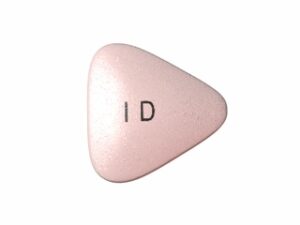
Voltarol (Diclofenac): Patient-Friendly Information for Australia
1. Basic Product Information
| Active Ingredient (INN) | Diclofenac |
|---|---|
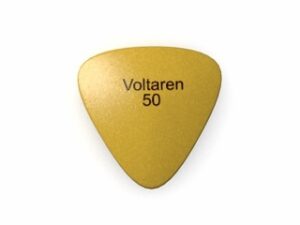
| Australia Brand Names | Voltarol, Voltaren, Fenac, Diclohexal, Diclofenac Sandoz |
| ATC Code | M01AB05 |
| Available Forms & Strengths |
|
| Manufacturers | Novartis, Sandoz, Aspen Pharmacare, Arrow Pharmaceuticals, generic suppliers |
| Prescription Status |
|
2. Mechanism of Action
Diclofenac (brand name: Voltarol) is a non-steroidal anti-inflammatory drug (NSAID). It works by blocking enzymes called cyclo-oxygenase (COX-1 and COX-2), which are involved in the production of substances (prostaglandins) that cause pain, inflammation, and swelling. For specialists, diclofenac reversibly inhibits prostaglandin synthesis by reducing COX-2 at sites of inflammation and COX-1 throughout the body, explaining its effectiveness and side effect profile.
3. Pharmacokinetics
- Absorption: Oral and rectal forms are rapidly absorbed (peak plasma concentration in 1-2 hours); topical forms absorb locally through the skin.
- Metabolism: Extensively metabolised in the liver mainly via CYP2C9.
- Elimination: Mostly excreted via urine (renal) and faeces (biliary), with a half-life of 1–2 hours; effects last longer due to tissue buildup with regular dosing.
- Duration: Relief can last 6–12 hours (shorter for immediate-acting, longer for extended-release or topical forms).
4. Use in Everyday Life & Best Practices (Australia Context)
- Typical Doses: Adults: 75–150 mg daily in divided doses (tablets or suppositories).
- How to Use:
- Take with or after food to minimise stomach upset (see below).
- Swallow tablets whole with water; do not crush/chew modified-release forms.
- Apply gel thinly and gently to affected area (do not use on broken skin, avoid prolonged sun exposure of area).
- Avoid exceeding prescribed dose to reduce risk of side effects.
- For short-term use only unless advised by your doctor (common max: two weeks for oral/rectal, up to three weeks for topical gel).
5. Dosing in the Morning vs. Evening
- Morning dosing may better target daytime pain and stiffness, especially for arthritis or sports injuries.
- Evening doses may be recommended for night or early-morning pain; however, NSAIDs can increase risk of gastric side effects overnight when stomach is empty.
- Tip: Take at the same time each day for best results; talk to your prescriber about the optimal time for your condition and routine.
6. Taking with Food or on an Empty Stomach (Australia Dietary Habits)
Diclofenac may cause stomach upset. It is best taken with food or milk—or immediately after meals—to protect the stomach lining. This is especially important for Australians with high coffee, tea, or acidic food intake. Enteric-coated and slow-release forms can help reduce gastric irritation, but do not skip food unless your prescriber specifically advises.
7. Interaction Warnings
| Type | Examples | Recommendations |
|---|---|---|
| Medications |
| Increased risk of bleeding, kidney or stomach problems—discuss all medications with your pharmacist or doctor. |
| Food | Alcohol, caffeine, highly acidic or spicy foods | Can worsen stomach irritation. Limit alcohol; take food first. |
| Alcohol | Beer, wine, spirits | Increases risk of stomach ulcers and liver problems; limit or avoid drinking while on diclofenac. |
8. Indications (Uses)
| Official (TGA-registered) | Off-label (Specialist Use) |
|---|---|
|
|
9. Dosing According to Clinical Indications
| Indication | Adult Dosage | Paediatric Dosage (by body weight) | Elderly Dosage |
|---|---|---|---|
| Osteoarthritis, Rheumatoid arthritis | 75–150 mg/day in 2–3 doses or SR (slow-release) tablet | 1–3 mg/kg/day in 2–3 doses (not recommended for children under 1 year or for chronic use without specialist advice) | Lowest effective dose, usually start at 75 mg/day, monitor closely for side effects |
| Acute pain, sports injuries | 50 mg 2–3 times/day for up to 7 days (oral), or as gel applied 3–4 times daily | Short courses only, specialist instruction | Same as adult, but avoid prolonged use |
| Dysmenorrhoea | 50 mg 3 times daily for up to 3 days at onset of pain | Not routinely used in children | Not applicable |
| Topical use (gel, cream) | Thin layer on affected area 3–4 times daily, up to 21 days | As above (age >14 years) | Monitor for skin irritation |
10. Safety Profile & Side Effects
| Common Side Effects | Less Common/Rare | Serious (Seek Immediate Help) |
|---|---|---|
|
|
|
For a full list of side effects and precautions, always read the Consumer Medicines Information (CMI) leaflet or ask your pharmacist.
11. Guidelines for Proper Use (Australian Practice)
- Always use the lowest effective dose for the shortest possible time.
- Avoid using multiple NSAIDs together unless advised by your doctor.
- If you need longer-term pain management, discuss other options with your GP.
- Check for background conditions (e.g. stomach ulcers, heart disease, asthma, kidney problems)—diclofenac may not be appropriate if you have these.
- Use caution in combination with alcohol or other medicines that irritate the stomach.
- Store out of reach of children, below 25°C.
- If you are pregnant, breastfeeding, or trying to conceive, consult your doctor before use; diclofenac is not recommended in the third trimester.
12. Alternative Treatment Options (PBS-Listed Comparators)
- Ibuprofen (Nurofen, Brufen): Similar NSAID, often available OTC, lower risk of heart side effects but still a risk for stomach problems.
- Naproxen (Naprosyn): Longer-acting NSAID, can be used for arthritis and period pain. Prescription-only for higher strengths.
- Paracetamol (Panadol): Safer for many; less effective for inflammation but suitable for mild/moderate pain.
- COX-2 inhibitors (celecoxib, etoricoxib): Lower stomach risk but prescription-only and may carry higher cardiovascular risk.
- Physical therapies: Physiotherapy, occupational therapy, and exercise are always recommended as first-line for chronic joint/muscular pain.
13. Legal, Registration, and Reimbursement Status in Australia
- Registered by the Therapeutic Goods Administration (TGA).
- Prescription (Schedule 4) medicine for oral and rectal forms; some topical gel packs available OTC <1% strength.
- Pharmaceutical Benefits Scheme (PBS): Some oral and topical forms are subsidised for specific indications
- Pharmacists are trained to offer advice, screen for drug interactions, and provide CMI to patients as part of best practice.
14. Latest Research and Clinical Guidance (2022–2025)
- Guidance Updates: RACGP and Australian Rheumatology Association recommend short-term NSAIDs use only when benefits outweigh risks in joint pain, osteoarthritis, and acute injury (RACGP, 2022-2023).
- Clinical Evidence: Recent systematic reviews confirm that diclofenac remains effective for musculoskeletal pain but carries an increased risk of cardiovascular side effects, particularly at high doses or with long-term use (BMJ 2023, Lancet 2024).
- Topical vs Oral: 2024 meta-analyses confirm that topical diclofenac provides similar pain relief to oral forms in localised joint or muscle pain with fewer systemic side effects (Cochrane Review, 2024).
- Preferred Use: Current guidance encourages paracetamol and topical NSAIDs first for mild/moderate pain, with oral NSAIDs reserved for short courses at the lowest effective dose.
For reliable references, see NPS MedicineWise or RACGP guidelines.
15. Availability & Delivery (Australia)
| Pack Size/Type | Indicative Price (AUD) | Delivery Time (Pharmacy) |
|---|---|---|
| Oral tablets 50 mg x 30 | $6–18 (PBS subsidised) | Same day in major cities, 1–2 days in regional areas |
| Topical gel 100 g (1%) | $10–15 | Same day/next day (capital cities) |
| Suppositories 25 mg x 12 | $13–20 | 1–3 days |
| Hospital injectable | N/A (available only to hospitals) | Clinical use only |
Order from most community pharmacies or have your doctor arrange eScript delivery. Most city pharmacies (Sydney, Melbourne, Brisbane, Perth, Adelaide) offer same- or next-business-day service.
16. FAQ – Common Patient Questions
- How quickly does diclofenac work?
Oral forms usually start working within 30–60 minutes. Gel may take up to several hours for maximal relief. Effects last 6–12 hours depending on the preparation. - Can I take diclofenac with other painkillers?
It is generally safe to combine diclofenac with paracetamol. Avoid using with other NSAIDs (like ibuprofen or aspirin) unless advised by your doctor to reduce risk of side effects. - Is it safe during pregnancy or breastfeeding?
Diclofenac should not be used during the last trimester of pregnancy and is generally best avoided during breastfeeding unless your doctor recommends. Always consult your healthcare provider. - What should I do if I miss a dose?
Take it as soon as you remember unless it is nearly time for your next dose. Do not double up to make up for missed doses. - How long can I safely take diclofenac?
Use for the shortest time needed to control symptoms (usually no more than 1–2 weeks without review). Long-term use increases the risk of stomach, kidney, and heart problems.
Please talk to your local pharmacist or doctor if you have further questions about Voltarol (diclofenac) and its use in your personal healthcare plan.