
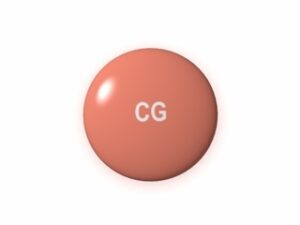
Toradol (Ketorolac) – Patient Information for Australia
1. Basic Product Information
- International Nonproprietary Name (INN): Ketorolac
- Common Australia Brand Names: Toradol, Acular (eye drops)
- Anatomical Therapeutic Chemical (ATC) Code: M01AB15
- Available Forms & Strengths in Australia:
- Tablets (10 mg)
- Injectable solution (10 mg/mL, 30 mg/mL)
- Eye drops (0.5%) – Acular brand
- Major Manufacturers: Roche, Apotex, Aspen Pharmacare Australia
- Prescription Status: S4 – Prescription Only Medicine (by authorised healthcare providers)
2. Mechanism of Action
In simple terms: Toradol (Ketorolac) is a non-steroidal anti-inflammatory drug (NSAID) that helps reduce pain, swelling, and inflammation. It works by blocking substances (prostaglandins) in your body that cause pain and swelling.
For specialists: Ketorolac is a potent cyclooxygenase (COX-1 and COX-2) inhibitor, resulting in decreased prostaglandin synthesis. Its analgesic effect is primarily due to peripheral inhibition of prostaglandin-mediated pathways.
3. Pharmacokinetics
- Absorption: Rapid oral absorption; peak plasma levels within 30 – 50 minutes after dosing.
- Bioavailability: About 100% for oral; close to complete after IM injection.
- Metabolism: Primarily hepatic (liver), mainly via CYP2C9 and CYP3A4 enzymes.
- Elimination: Mainly via the kidneys (urine); minor via faeces.
- Half-life: 4–6 hours in healthy adults; may be prolonged in elderly or those with renal impairment.
- Duration of Action: Typically provides pain relief for 4–6 hours per dose.
4. Use in Everyday Life and Best Practices
- Typical uses: Short-term management of moderate to severe pain (such as after surgery or injury).
- Practical tips: Toradol is often used when other NSAIDs or paracetamol are inadequate or unsuitable.
- Prescription limits: Not to be used for more than 5 days due to risk of side effects, especially for oral and injectable forms.
- How to take:
- Tablets: Swallow with water; do not crush unless advised by your doctor or pharmacist.
- Injection: Administered by healthcare professionals (hospitals, clinics, or at home by trained persons).
- Eye drops: Follow GP or optometrist instructions; wash hands before and after use.
- Self-monitoring: Stop immediately and seek advice if you notice severe stomach pain, vomiting blood, black stools, swelling, or breathing difficulties.
5. Dosing: Morning vs. Evening
- Morning dosing:
- Advantages: Can manage daytime pain, facilitate activities, lower disruption to sleep.
- Disadvantages: May wear off by evening; second dose might be necessary for ongoing pain.
- Evening dosing:
- Advantages: Useful if pain interferes with sleep.
- Disadvantages: Risk of sleep disruption in some people (rare); patients with sensitive stomachs may experience more symptoms at night.
- General tip: Take doses at the same times each day for consistency but adjust timing with your prescriber for the best control of your symptoms.
6. Taking with or without Food
- Can be taken with or without food.
- With food: May reduce risk of stomach upset, a common issue in Australians with high rates of peptic ulcer disease.
- Without food: Slightly quicker onset but increases risk of stomach pain or indigestion for sensitive users.
- Practical advice: In Australia, light meals (e.g., toast or cereal) are safe options; avoid large, fatty meals or excessive alcohol with the medicine.
7. Interaction Warnings
| Type | Substance | Effect/Warning |
|---|---|---|
| Food | Alcohol | Increases risk of stomach ulcers or bleeding; avoid excessive consumption. |
| Food | Grapefruit Juice | No clinically significant effect observed. |
| Medication | Other NSAIDs, Aspirin | Raises risk of side effects; do not combine except on medical advice. |
| Medication | Anticoagulants (warfarin, DOACs) | Increases bleeding risk; close monitoring or alternate pain relief preferred. |
| Medication | SSRIs, Antidepressants | Can increase bleeding risk; seek advice if combined. |
| Medication | ACE inhibitors, diuretics | Combined use can reduce renal function, especially in older adults. |
| Supplements | Herbal (e.g., Ginkgo biloba) | May increase bleeding risk; discuss with your pharmacist. |
8. Indications
| Indication | Status | Notes |
|---|---|---|
| Short-term relief of moderate to severe pain (postoperative, musculoskeletal) | Official (TGA approved) | Maximum use duration: 5 days |
| Ophthalmic pain (post-eye surgery) | Official (Acular brand) | Prescribed by GPs or ophthalmologists |
| Migraine | Off-label | Considered in some acute episodes; not first-line |
| Renal colic or acute gout | Off-label | Used when other options unsuitable |
9. Dosing According to Clinical Indication
| Indication | Form | Adult Dose | Pediatric Dose | Elderly/Impaired Renal Dose |
|---|---|---|---|---|
| Moderate-severe pain (general) | Oral | 10 mg every 4–6 hours (max 40 mg/day, max 5 days) | Not recommended under 16 years; specialist discretion | 10 mg every 6–8 hours (max 20 mg/day) |
| Moderate-severe pain (hospital, post-surgery) | IM/IV | 10–30 mg every 4–6 hours (max 90 mg/day for adults, 60 mg/day if ≥65 or renal impairment) | 1 mg/kg, max 30 mg/dose; see paediatric guidelines | 10–15 mg every 6 hours (max 60 mg/day) |
| Post-eye surgery inflammation | Eye drops | 1 drop in affected eye up to 4 times daily | Same as adult dose | Same as adult dose |
*Always use the lowest effective dose and for the shortest possible time. Tailor dosing as directed by your prescriber.
10. Safety Profile / Side Effects
- Common Side Effects:
- Indigestion, stomach pain
- Headache, dizziness
- Swelling or fluid retention
- Drowsiness, tiredness
- Nausea, diarrhoea
- Rare but Serious Side Effects:
- Stomach or bowel bleeding (black or bloody stools, vomiting blood)
- Allergic reaction: face or throat swelling, rash, trouble breathing
- Kidney problems (reduced urine output, swelling, confusion)
- Liver problems (yellow skin or eyes, dark urine)
- Severe skin reactions (blistering, peeling)
- Warnings:
- Not for use in children under 16 unless directed by a specialist
- Not for use in pregnancy or breastfeeding except on specialist advice
- Tell your healthcare provider if you have heart disease, kidney or liver problems, history of bleeding disorders, asthma, or stomach ulcers
- Do not drive or operate machinery if feeling drowsy or dizzy
11. Guidelines for Proper Use (Australian Advice)
- Store at room temperature and away from direct sunlight
- Do not share prescription medicines with others
- Keep out of reach of children and pets
- Return unused or expired medications to your local pharmacy for safe disposal – many Australia chemists participate in the RUM (Return Unwanted Medicines) project
- If you miss a dose, take it when you remember unless it's almost time for your next dose. Do not double up
- Check with your healthcare provider before taking any new medicines, over-the-counter or herbal supplements
- If your pain is not controlled, or if you experience side effects, contact your GP or pharmacist promptly
12. Alternative Treatment Options in Australia
- Paracetamol (Panadol, Panamax):
- Typically first-line for mild to moderate pain
- Very safe when taken as directed, including in children and elderly
- Other NSAIDs (Ibuprofen, Naproxen):
- Available over-the-counter or prescription, depending on dose/strength
- Lower gastrointestinal risk at usual doses vs. ketorolac
- Opioids (codeine, oxycodone, morphine):
- Reserved for severe pain not controlled by NSAIDs or paracetamol
- Higher risk of dependence, drowsiness, and constipation
- Non-drug therapies:
- Physiotherapy, cold/heat packs, gentle movement, and relaxation techniques
Comparative overview: NSAIDs like ibuprofen or naproxen may be safer for longer courses; paracetamol is best for those with ulcers or at high bleeding risk. Opioids are prescription-only and used sparingly. For eye inflammation, alternatives include non-steroidal anti-inflammatory eye drops and corticosteroids.
13. Legal, Registration, and Reimbursement Status in Australia
- TGA (Therapeutic Goods Administration): Toradol is registered as a Schedule 4 (S4) prescription medicine
- PBS (Pharmaceutical Benefits Scheme): Injectable ketorolac and oral tablets are subsidised for certain conditions; check with prescriber for eligibility
- Legal status: Available on prescription only
- Availability: Pharmaceutical wholesalers/retail pharmacies Australia-wide
14. Latest Research and Clinical Guidance (2022–2025)
- Australian and New Zealand College of Anaesthetists (ANZCA) 2022–2024: Toradol remains a recommended option for short-term, moderate to severe postoperative pain when opioids are unsuitable, with emphasis on renal and gastrointestinal risk assessment (ANZCA Pain Management Guidelines).
- Cochrane Reviews (2023): Toradol is as effective as other NSAIDs and sometimes opioids for specific forms of acute pain, but not suitable for long-term or chronic use.
- Australian Guidelines: Do not use ketorolac in patients with significant kidney impairment unless specialist advises. Limit duration; monitor for GI symptoms and blood pressure.
- International insights: Studies suggest combining Toradol with paracetamol offers additive pain relief with less opioid necessity. No evidence supports use for chronic pain.
15. Availability, Pack Sizes, Pricing & Delivery
| Form | Pack Size | Indicative Price (AUD) | Delivery (Sydney, Melbourne, Perth, Brisbane, Adelaide) |
|---|---|---|---|
| Tablets (10 mg) | 20, 50 | $13–$35 | 24–72h to metro areas; 3–7 days rural/remote |
| Injection (30 mg/mL) | 5 ampoules | $18–$32 | 24–48h to major cities; 3–7 days non-metro |
| Eye drops (Acular 0.5%) | 5 mL | $14–$26 | Next business day to major cities; 2–5 days elsewhere |
16. FAQ – Frequently Asked Questions
- Q1: Can I take Toradol if I have a history of stomach ulcers or bleeding?
A: Toradol is not recommended if you have a current or recent history of stomach ulcers or gastrointestinal bleeding, due to an increased risk of recurrence. Discuss safer alternatives with your doctor or pharmacist. - Q2: How quickly will Toradol relieve my pain?
A: Most people begin to notice pain relief 30–60 minutes after oral or injectable doses. Eye drops may reduce pain and inflammation within a few hours following use. - Q3: Can I drink alcohol while taking Toradol?
A: It’s best to avoid alcohol while on Toradol, as combining it with alcohol increases the risk of stomach irritation and bleeding. Speak to your healthcare provider for individual advice. - Q4: What should I do if I miss a dose?
A: Take the missed dose as soon as you remember, unless it’s nearly time for your next scheduled dose. Don’t double up. If unsure, seek advice from your pharmacist or GP. - Q5: Is Toradol safe during pregnancy or breastfeeding?
A: Toradol is not recommended during pregnancy or breastfeeding except under specialist advice. Inform your prescriber if you are pregnant, planning to become pregnant, or breastfeeding.
For more guidance: Always follow your prescriber’s or pharmacist’s advice and consult them with any questions or concerns about your medicine or its use.