Voveran (Diclofenac) – Patient Information for Australia
Basic Product Information
| International Non-Proprietary Name (INN) | Diclofenac |
| Common Australia Brand Names | Voveran, Voltaren, Diclofenac Sandoz, Fenac |
| Anatomical Therapeutic Chemical (ATC) code | M01AB05 |
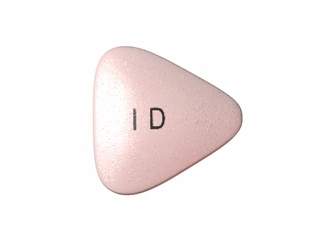
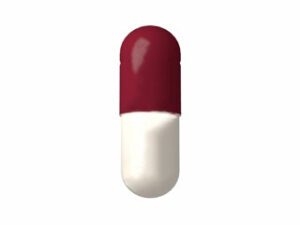
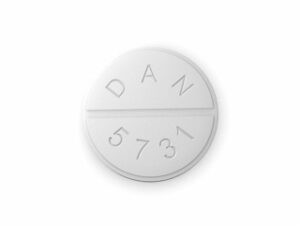
| Available Forms & Strengths | - Tablets: 25 mg, 50 mg, 75 mg, 100 mg SR (sustained-release)
- Topical gels/creams: 1%, 2%, and diclofenac sodium solutions
- Suppositories: 12.5 mg, 25 mg, 50 mg, 100 mg
- Injectable forms: Ampoules 75 mg/3 ml
|
| Manufacturers in Australia | Novartis (Voltaren), Mylan, Sandoz, Arrow, Apotex, Alphapharm |
| Prescription Status | Prescription only (Schedule 4 medication in Australia) |
Mechanism of Action
For Patients: Diclofenac is a non-steroidal anti-inflammatory drug (NSAID). It works by reducing substances in the body that cause inflammation, pain, and swelling.
For Specialists: Diclofenac inhibits cyclooxygenase (COX-1 and COX-2), leading to decreased synthesis of prostaglandins involved in inflammation, pain sensitisation, and fever. It has additional actions such as inhibition of leukocyte migration and reduction of superoxide radicals.
Pharmacokinetics
- Absorption: Rapidly absorbed after oral administration; peak plasma concentrations reached within 1–2 hours (tablets) or 2–3 hours (sustained-release).
- Metabolism: Extensively metabolised in the liver (CYP2C9, CYP3A4 pathways).
- Elimination: Mostly excreted in urine (about 65%), with the remainder in bile and faeces.
- Duration of Action: Analgesic effect typically lasts 4–6 hours (immediate-release), up to 12 hours with sustained-release.
Use in Everyday Life and Best Practices (Australia Context)
Diclofenac is widely prescribed in Australia for managing pain and inflammation in conditions like arthritis, musculoskeletal injuries, and postoperative states. It is generally used short-term due to potential GI and cardiovascular risks. Always follow your doctor’s specific instructions, and do not exceed the recommended dose.
- Typical Adult Dose (Tablet): 50–75 mg 2–3 times daily, or SR 75–100 mg once daily.
- Topical Use: Apply thinly to affected area 3–4 times daily; wash hands after use.
- Take with or after food to reduce stomach irritation.
- Do not use longer than recommended unless instructed by your healthcare provider.
Dosing in the Morning vs Evening
- Sustained-Release Forms: Often taken in the evening to provide pain relief overnight, especially for arthritis symptoms that worsen in the morning.
- Immediate-Release Tablets: Space out doses evenly (e.g., morning and after work), as instructed.
- For chronic conditions, take at the same time(s) each day to maintain steady levels.
- Tip: Discuss timing with your doctor to suit your lifestyle and symptom pattern.
Taking with Food or on an Empty Stomach
- Take diclofenac with or after a meal to help minimise stomach upset and lower the risk of stomach ulcers.
- Australia diets often include tea/coffee, cereal, toast, and dairy; combining with these foods is acceptable.
- If using topical forms, food has no effect.
Interaction Warnings
| Type | Interaction/Advice |
| Food | No significant effect on absorption, but reduces GI irritation. |
| Alcohol | Increases risk of stomach bleeding; avoid or consume in moderation. |
| Other NSAIDs/Aspirin | Do not use together; increases risk of GI, kidney, and cardiovascular side effects. |
| Blood pressure medicines (ACE inhibitors, ARBs, diuretics) | Possible reduced blood pressure control, increased risk of kidney problems. |
| Anticoagulants/Warfarin | Increased risk of bleeding; close monitoring essential. |
| Methotrexate | Can increase methotrexate toxicity; avoid or use with caution. |
| Lithium | Increased lithium levels/toxicity. |
Indications
| Official (PBS listed/registered in AU) | Off-Label (may be used under specialist supervision) |
- Osteoarthritis
- Rheumatoid arthritis
- Ankylosing spondylitis
- Acute musculoskeletal injuries
- Post-surgical pain
- Dysmenorrhoea (period pain)
| - Acute gout
- Migraine (acute treatment)
- Pain/inflammation in dental surgery
|
Dosing According to Clinical Indications
| Condition | Formulation | Typical Adult Dose | Pediatric Use | Elderly Dose/Precautions |
| Osteoarthritis / Rheumatoid Arthritis | Tablets (IR/SR) | 50 mg 2–3 times daily (max 150 mg/day) | Not generally recommended <14 yrs | Use lowest effective dose; monitor renal function |
| Dysmenorrhoea | Tablets | 50 mg every 8 hours as needed | Adolescent girls above 14 yrs: 50-100 mg/day | Careful assessment required |
| Acute Musculoskeletal Injury | Gel | Apply 2–4 g up to 4x daily | Safe in children >5 with medical advice | Topical preferred |
| Postoperative pain | Suppository/injection | 1 suppository of 100 mg or 75 mg injection per day | Not for routine use under 18 | Short course only |
Safety Profile & Side Effects
| Frequency | Possible Side Effects | Warnings |
| Common (≥1%) | - Stomach pain, indigestion
- Nausea, diarrhoea
- Headache, dizziness
- Skin reactions (topical forms)
| Report severe pain, bleeding, rash, or difficulty breathing to your doctor urgently. |
| Uncommon/Rare | - Gastric ulcer/bleeding
- Elevated liver enzymes
- Kidney problems
- Severe allergic reactions (anaphylaxis)
- Vision or hearing disturbances
| Avoid use if known allergy to NSAIDs, active stomach ulcer, or severe heart/kidney/liver disease. |
| Long-term risks | Increased risk of cardiovascular/thrombotic events (especially in high doses or prolonged use) | GP to review long-term therapy every 3–6 months. |
Guidelines for Proper Use (Australia Conditions)
- Take as prescribed—do not increase the dose or frequency without consulting your doctor.
- For chronic joint conditions, combine medical treatment with recommended exercise and weight management as per Australian Healthcare guidelines.
- Avoid other over-the-counter NSAIDs (e.g., ibuprofen, aspirin) without discussing with a pharmacist first.
- Drink plenty of water and avoid excessive alcohol while on diclofenac.
- If you develop stomach pain, black stools, or swelling of legs, seek medical advice promptly.
- Topical products are excellent for minor localised pain and typically have fewer systemic side effects.
- For medicines supplied on the Pharmaceutical Benefits Scheme (PBS), you may be eligible for subsidised pricing; discuss with your pharmacist.
- Store tablets in a cool, dry place, out of reach of children.
Alternative Treatment Options (Comparative Overview)
| Alternative Medicine | PBS-Reimbursed? | Pros | Cons |
| Ibuprofen (Nurofen, Brufen) | Yes | Widely available; similar pain relief; short half-life; lower GI risk in low doses | Not suitable for some cardiovascular risk patients |
| Naproxen (Naprosyn) | Yes | Longer acting; lower cardiovascular risk | Occasional GI issues; monitor kidney function |
| Meloxicam | Yes | Selectively blocks COX-2; once-daily dosing | Longer action increases risk if adverse effects occur |
| Paracetamol | Yes | Good for mild pain; safe in most patients | No anti-inflammatory effect |
| Celecoxib (Celebrex) | Yes (specialist prescription) | Selective COX-2 inhibition; reduced stomach side effects | Needs regular monitoring; not suitable for all heart disease |
Legal, Registration, and Reimbursement Status (Australia)
- TGA Registration: Listed with the Therapeutic Goods Administration (TGA).
- Prescription Only (S4): Cannot be purchased over the counter except low-strength topical gels.
- PBS Subsidy: Several oral and topical forms subsidised via the Pharmaceutical Benefits Scheme (PBS) for specific indications (e.g., arthritis).
- Not a controlled drug: But requires prescription and appropriate clinical monitoring.
Latest Research & Clinical Guidance (2022–2025)
- Recent large-scale Australian and international reviews (RACGP, 2023; BMJ, 2022) confirm diclofenac’s effectiveness for short-term osteoarthritis and acute pain, especially via topical use to minimise systemic risk.
- The Australian Rheumatology Association (ARA, 2024) recommends shortest possible systemic treatment course at the lowest effective dose, especially in patients with gastrointestinal or cardiovascular risk.
- Topical diclofenac (gel/patches) now first-line for localised osteoarthritis (knee, hand) in people over 50, aligning with updated NICE 2023 guidelines.
- Coadministration with a proton-pump inhibitor (e.g., omeprazole) is increasingly advised for those at higher GI risk.
- Not routinely recommended in children or in those with a history of severe allergy to NSAIDs.
- References: RACGP Guidelines 2024, ARA Statements 2023–24, BMJ 2022:376:e067237, NICE 2023 OA Update, PBS listing as of 2024.
Availability and Delivery
| Formulation & Pack Size | PBS Price (Subsidised) | Indicative Private Price (AUD) | Major City Delivery (approx.) |
| Tablets 50 mg (30 tabs) | $6.30 concession / $38.80 general | $14–25 | - Sydney: 1–2 days
- Melbourne: 1–3 days
- Brisbane: 1–2 days
- Perth: 3–5 days
- Adelaide: 2 days
|
| Gel 1% (100g tube) | $6.30 concession / $21.50 general | $10–19 | - Sydney: Next day
- Melbourne: Next day
|
| Suppositories 100 mg (10) | $6.30 concession / $20–29 | $15–25 | |
Frequently Asked Questions (FAQ)
- 1. How quickly does diclofenac start working?
Oral diclofenac usually relieves pain within 30–60 minutes, with peak effects at 1–3 hours. Gels may take up to several days of regular use for full effect. - 2. Can I take diclofenac with paracetamol?
Yes, it is safe to combine diclofenac with paracetamol for additional pain relief. Avoid using with other anti-inflammatory medications unless advised. - 3. What should I do if I miss a dose?
Take the missed dose as soon as you remember unless it’s close to the next scheduled dose. Don’t double doses. - 4. Is diclofenac addictive?
Diclofenac is not an opioid and does not cause dependence, but long-term use is not recommended due to risk of side effects. - 5. Can I use topical diclofenac while breastfeeding or pregnant?
Topical use is generally considered safer than oral, but always consult your GP or pharmacist before use in pregnancy or while breastfeeding.
If you have questions about your medicine, consult your doctor, pharmacist, or other healthcare provider for personalised advice. In emergencies or serious side effects, seek help immediately by calling 000 or attending your nearest Emergency Department.