Torsemide – Comprehensive Patient Information for Australia
Basic Product Information
| International Non-proprietary Name (INN) | Torsemide |
|---|---|
| Australia Brand Names | Demadex, Torem, Torix, Torside, Torsemide Sandoz |
| ATC Code | C03CA04 |
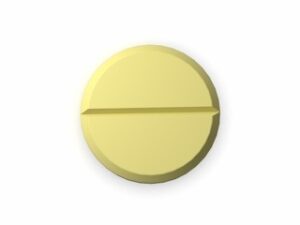
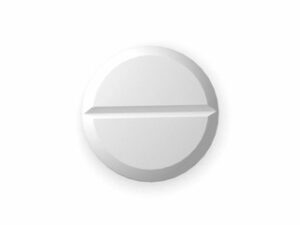
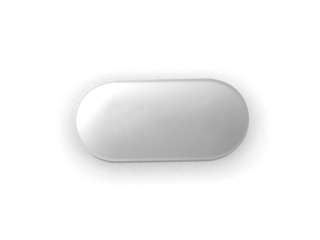
| Available Forms & Strengths | Tablets: 5 mg, 10 mg, 20 mg, 40 mg Injectable (hospital use): 10 mg/mL |
| Manufacturers (Australia) | Novartis Australia, Sandoz, Amneal, Apotex Pty Ltd, various generic brands |
| Prescription Status | Prescription only (Schedule 4 medicine) |
Mechanism of Action
For Patients: Torsemide is a ‘water tablet’ or diuretic. It helps your kidneys remove extra water and salt from your body, making you pass more urine. This is useful for treating fluid build-up (oedema) in conditions such as heart failure, kidney disease, or liver problems, and for managing high blood pressure.
For Specialists: Torsemide is a potent loop diuretic acting on the Na+/K+/2Cl- co-transporter in the thick ascending limb of the loop of Henle. It inhibits reabsorption of sodium and chloride, increasing renal excretion of these ions, and consequently promoting diuresis and natriuresis. It has a longer duration of action and higher bioavailability compared to furosemide, and is less likely to cause hypokalaemia.
Pharmacokinetics
- Absorption: Torsemide is well absorbed (80-90%) when taken by mouth, with minimal difference whether taken with or without food.
- Peak Concentration: Reached within 1-2 hours after oral administration.
- Metabolism: Extensively metabolised by the liver (CYP2C9) to inactive metabolites.
- Elimination: Mainly via urine (as metabolites and unchanged drug), minor faecal excretion.
- Duration of Action: 6–12 hours (longer than many other diuretics, notably furosemide).
- Half-life: Around 3–4 hours (may be longer in liver or kidney impairment).
Use in Everyday Life and Best Practices
Torsemide is usually taken as a tablet once daily. Your doctor will advise how much torsemide you need - always follow their guidance.
Typical uses:
- Oedema (fluid retention): Adults often start with 10–20 mg once daily. The dose may be increased, depending on response and specific condition.
- High blood pressure (hypertension): 5–10 mg once daily is typical, as part of combination therapy.
- Take torsemide at the same time each day, usually in the morning.
- Swallow the tablets whole with water; do not crush or chew unless told by your pharmacist.
- Do not stop taking torsemide without your doctor’s advice, even if you feel well.
- If you miss a dose, take it as soon as you remember, unless it’s nearly time for your next dose—do not double up.
Dosing: Morning vs Evening
- Morning dosing is preferred: Taking torsemide in the morning reduces the risk of needing to urinate during the night, limiting sleep disturbances.
- Evening dosing: May be unavoidable in some situations (e.g., shift workers), but typically leads to nocturia (night-time urination).
- Try to take your dose at the same time each day for best effect. If you are unsure when to take it for your lifestyle, speak to your community pharmacist or GP.
Taking with Food or on an Empty Stomach
Torsemide can be taken with or without food. Food does not significantly affect its absorption, so you may take it in a way that best suits your routine or to reduce possible stomach upset. For most Australians, integrating the medicine with breakfast or another main meal is simple and effective.
Tip: If you experience nausea or stomach discomfort, try taking your tablet after food.
Interaction Warnings
| Type | Interaction | Advice |
|---|---|---|
| Food | None clinically significant | May take with or without food |
| Alcohol | Increased risk of dehydration, dizziness | Limit or avoid alcohol while taking torsemide |
| Aspirin/NSAIDs | Reduced diuretic effect; kidney injury risk | Caution; discuss with doctor for regular painkillers |
| ACE inhibitors/ARBs | Possible drop in blood pressure, electrolyte changes | Blood tests and dose monitoring required |
| Other diuretics | Increased risk of dehydration and electrolyte imbalance | Only combine under medical supervision |
| Digoxin | Increased risk of digoxin toxicity due to low potassium | Monitoring potassium and digoxin levels advised |
| Antidiabetics | May alter blood sugar control | Monitor blood glucose more frequently |
| Lithium | Increased risk of lithium toxicity | Serum lithium monitoring essential |
Indications (When Torsemide Is Used)
| Indication | Use in Australia | Comments |
|---|---|---|
| Oedema due to heart failure | Yes (PBS-listed) | Primary indication |
| Oedema with liver or kidney disease | Yes | Careful dose adjustment may be required |
| Hypertension | Yes, as adjunctive therapy | Not routinely first choice diuretic |
| Resistant hypertension (off-label) | Off-label | Used when standard thiazide diuretics are insufficient |
| Nephrotic syndrome | Sometimes (off-label) | Specialist guidance needed |
| Paediatric oedema | Rare; specialist use only | Not first-line in children |
Dosing According to Clinical Indications
| Population | Oedema due to Heart Failure (mg/day) | Hypertension (mg/day) | Renal/Liver Disease Oedema (mg/day) |
|---|---|---|---|
| Adult | 10–20 (up to 200 max) | 5–10 | 10–40 (titrate as needed) |
| Elderly | Start at lower end, titrate cautiously | Lower initial dose preferred | Careful monitoring for dehydration/electrolytes |
| Children | Rare; 0.1–0.4 mg/kg/dose | Not recommended | Specialist advice only |
Safety Profile and Side Effects
| Frequency | Side Effect | Advice |
|---|---|---|
| Common | Increased urination, dehydration, dizziness, headache | Stay hydrated, avoid standing quickly |
| Common | Electrolyte imbalance (low potassium, sodium, magnesium) | Blood tests to monitor. May need supplements or dietary adjustments |
| Occasional | Muscle cramps, fatigue | Check potassium/magnesium levels |
| Rare | Hearing problems (at high dose, IV use), gout attack, allergy | Report hearing changes or severe joint pain |
| Very rare | Severe skin rash, blood disorders, liver dysfunction | Urgent medical attention needed |
Let your doctor know if you experience persistent or severe side effects. Regular monitoring of kidney function and blood electrolytes is advised while on torsemide.
Guidelines for Proper Use (Australia-Specific Advice)
- Always bring your up-to-date medicines list to every doctor's visit or pharmacy trip.
- Keep regular appointments for blood and urine tests (usually every few months for ongoing use).
- Drink fluids as advised; don’t overdo it or restrict without instruction—‘balance’ is key.
- Try to weigh yourself at the same time each day (after urinating, before eating). Rapid weight gain may mean fluid retention.
- Slip, slop, slap: use a sunhat and sunscreen, as diuretics can rarely make you more prone to sunburn.
- Store your tablets below 25°C in a dry place, away from children.
- If you are travelling, check with your doctor about carrying your medication and relevant documentation.
Alternative Treatment Options (Comparison Overview)
- Furosemide (Lasix): Another loop diuretic, widely used, shorter duration of action, but may require more frequent dosing. Often fully reimbursed.
- Bumetanide: More potent; used when others are ineffective or contraindicated. Rarely first-line in Australia.
- Thiazide diuretics (e.g., Hydrochlorothiazide, Indapamide): Preferred for mild oedema/high blood pressure. Less potent for significant fluid overload.
- Spironolactone/Eplerenone: Potassium-sparing diuretics, often combined for heart failure or resistant hypertension; may cause hormonal effects.
- All alternatives are available by prescription and may be subsidised via the PBS (Pharmaceutical Benefits Scheme) where indicated.
Legal, Registration, and Reimbursement Status in Australia
- Legal status: Prescription Only Medicine (Schedule 4, S4).
- Regulatory registration: Approved by the Therapeutic Goods Administration (TGA).
- Prescribing: GP or specialist only, some initial specialist indications (e.g., heart failure).
- Reimbursement: Most brands/forms are listed on the PBS for eligible indications (e.g., heart failure), reducing out-of-pocket cost for most patients.
- Supply: Community pharmacy, hospital pharmacy, or as discharge medication.
Latest Research and Clinical Guidance (2022–2025)
Recent studies and consensus have reinforced torsemide’s role as an effective and reliable loop diuretic, particularly in chronic heart failure and cases where response to furosemide is insufficient. A 2023 meta-analysis published in the European Heart Journal (McDonagh TA et al., 2023) highlighted torsemide’s superior oral bioavailability and more consistent effect on fluid loss compared with furosemide. Australian guidelines (Heart Foundation, 2024) continue to list torsemide as an alternative to furosemide, especially in patients with suboptimal response or tolerance to other loop diuretics.
A 2024 update in the Australian Prescriber (Smith et al.) recommends consideration of torsemide for long-term management when once-daily dosing is preferred and where adherence may be an issue. No major safety concerns have emerged with recent clinical use.
Availability and Delivery
| Pack Size | Approximate Cost (with PBS) | Delivery – Sydney | Delivery – Melbourne | Delivery – Brisbane | Delivery – Perth |
|---|---|---|---|---|---|
| 30 tablets | $7.30 with PBS concession (~$25.00 without) | 1–2 business days | 1–2 business days | 1–2 business days | 2–3 business days |
| 100 tablets | $7.30 per script with PBS concession | 1–2 business days | 1–2 business days | 1–2 business days | 2–3 business days |
Ask your pharmacy about express post or click-and-collect services. Deliveries to regional/remote areas may take up to 5–7 days.
Frequently Asked Questions (FAQ)
- How long will I have to stay on torsemide?
Your duration of treatment depends on your condition and how well you respond to medication. Some people take torsemide long-term (months or years), others only for a short period to manage fluid build-up. Your doctor will review the need at each check-up. - Can I drink alcohol while on torsemide?
Alcohol can increase the risk of dehydration and low blood pressure while taking torsemide. It’s best to limit or avoid alcohol, especially at the start or if you feel light-headed. - Do I need regular blood tests?
Yes. Because torsemide can alter your blood salt levels and kidney function, you’ll need periodic blood and urine tests (typically every 3–6 months for stable patients). - What should I do if I forget a dose?
Take your missed dose as soon as you remember unless it’s nearly time for the next one. Never take a double dose to make up. - Can I take torsemide with my other medicines?
Many medicines can interact with torsemide. Always tell your doctor and pharmacist about all the medicines you use, including over-the-counter and natural therapies.
Need more information? Speak to your GP or pharmacist, or consult trusted Australian sources like Healthdirect or NPS MedicineWise.