
Lasix (Furosemide) – Comprehensive Patient Information for Australia
Basic Product Information
| International Nonproprietary Name (INN) | Furosemide |
|---|---|
| Australian Brand Names | Lasix®, Uremide®, Frusid®, others |
| ATC Code | C03CA01 |
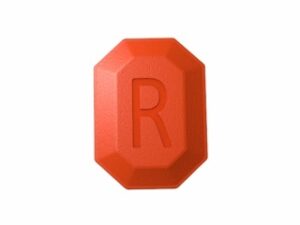
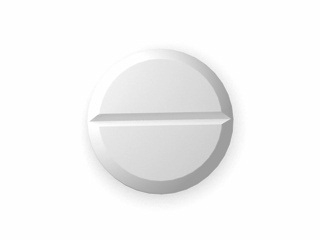
| Available Forms & Strengths |
|
| Manufacturers (Australia) | Boehringer Ingelheim, Aspen Pharmacare, Sandoz, Mylan (Viatris), Sigma, Arrotex |
| Prescription Status | Prescription Only Medicine (Schedule 4, S4) |
Mechanism of Action
Lasix (furosemide) is a type of medicine called a "loop diuretic" or "water tablet." It works by acting on your kidneys, especially a part called the "loop of Henle." Furosemide blocks the absorption of sodium and chloride in this area, which means your body gets rid of extra salt and water through urine. This reduces swelling (oedema) and lowers high blood pressure.
For specialists: Furosemide inhibits the Na-K-2Cl symporter in the ascending limb of the loop of Henle, increasing urinary excretion of sodium, chloride, and water, with secondary loss of calcium and magnesium.
Pharmacokinetics
- Absorption: Well-absorbed orally, with 60–70% bioavailability. Onset of action within 30–60 minutes (orally).
- Metabolism: Minimal hepatic metabolism; most of the drug is unchanged in urine.
- Elimination: Main excretion is through the kidneys (urine); elimination half-life is approx. 1–2 hours in healthy adults (can be prolonged in kidney or liver impairment).
- Duration of Action: 4–6 hours (oral); 2 hours (intravenous).
Use in Everyday Life and Best Practices
Lasix is commonly prescribed in Australia for fluid retention (oedema) associated with heart disease, liver disease (cirrhosis), or kidney problems, and for treating high blood pressure. Always take Lasix as prescribed by your GP, specialist, or pharmacist. Do not adjust your dose or frequency without consulting your healthcare provider.
- Typical oral dose (adults): For oedema, 20–40 mg once daily, adjusted as needed. For hypertension, 20–40 mg twice daily.
- How to use: Take with water, swallow tablets whole. If using the solution, measure dose accurately using a special oral syringe or device.
- Missed dose: If you miss a dose, take it as soon as you remember unless it is close to the next scheduled dose. Do not double up doses.
- Report sudden weight gains, swelling, or difficulty breathing to your doctor immediately.
Dosing in the Morning vs Evening
It is usually best to take Lasix in the morning. This helps avoid frequent urination at night. If you need to take it more than once a day, take the last dose in the afternoon (before 4–6 pm) unless your doctor advises otherwise.
- Morning dosing: Reduces risk of disturbed sleep due to nighttime urination (nocturia).
- Afternoon/evening dosing: Not recommended unless needed for clinical reasons; may be warranted in hospital settings.
- Tip: Try to take your medication at the same time each day for best effect and to establish a routine.
Taking with Food or on an Empty Stomach
Lasix can be taken with or without food. Taking it with food may reduce stomach upset for some people, but food may slightly delay how quickly the medicine works. Consistency is key: take it the same way each time. In the context of English diet (high in sodium in some processed foods), it is best to follow dietary advice from your healthcare team (limit added salt, eat plenty of fruit and vegetables). Your pharmacist can advise you on specific food considerations with your prescription.
Interaction Warnings
| Type | Substances | Advice/Explanation |
|---|---|---|
| Food | Excess salt, liquorice | High-salt diets may reduce effectiveness. Avoid liquorice (may increase side effects). |
| Alcohol | Beer, wine, spirits | Can worsen low blood pressure or dehydration symptoms. Drink alcohol only in moderation. |
| Other medicines | ACE inhibitors, ARBs, NSAIDs (ibuprofen), lithium, aminoglycosides, digoxin, corticosteroids, antidiabetics | Many interactions possible. Risk of low potassium, kidney impairment, or altered effectiveness. Always provide your current medication list to your pharmacist or doctor. |
| Supplements | Potasium, magnesium, herbal remedies (St. John's Wort, licorice) | May increase risk of electrolyte imbalance or side effects. Discuss with your care team before starting any new supplement. |
Indications
| Indication | Status | Description |
|---|---|---|
| Oedema associated with heart failure, renal, or liver disease | Approved (TGA, PBS) | Management of fluid build-up due to medical conditions |
| Hypertension | Approved (TGA, PBS) | To lower high blood pressure, usually as part of combination therapy |
| Acute pulmonary oedema | Approved (hospital use) | Emergency treatment (usually injectable form) |
| Hypercalcaemia, severe hyperkalaemia | Off-label | Adjunctive therapy (specialist advice only) |
Dosing According to Clinical Indications
| Patient Group | Oedema | Hypertension | Acute Pulmonary Oedema |
|---|---|---|---|
| Adults | 20–40 mg once or twice daily, titrate as needed | 20–40 mg twice daily | IV 40 mg, repeat/adjust as required |
| Children | 1–3 mg/kg (oral), max 6 mg/kg per day (specialist guidance) | Not routinely used; specialist advice only | IV 1 mg/kg, titrate (hospital setting) |
| Elderly | Start at lower end of dosing range, increase cautiously | Same as adult, monitor for dehydration | Same as adult |
Safety Profile and Side Effects
Most people tolerate Lasix well, but side effects can occur. Contact your doctor if you experience troublesome symptoms or allergic reactions.
- Common: Increased urination, thirst, dizziness (especially when standing up), muscle cramps, headache, low potassium (hypokalaemia).
- Less common: Gout attacks, rash, hearing changes (with high doses or IV), changes in blood sugar or cholesterol.
- Rare/serious: Severe dehydration, electrolyte imbalance, kidney problems, liver issues, severe allergic reactions, ringing in ears.
| Side Effect | How Common | What to Do |
|---|---|---|
| Dizziness/Low Blood Pressure | Common | Get up slowly. Hydrate. See GP if ongoing. |
| Muscle Cramps or Weakness | Common | Might be from low potassium; report to doctor. |
| Hearing Changes/Ringing | Rare (high doses/IV) | Report immediately to doctor. |
| Severe Skin Rash, Allergic Reaction | Very rare | Stop medicine, see emergency medical care. |
| Confusion, Weak Pulse, Severe Tiredness | Rare | May mean severe electrolyte loss – seek medical care. |
Guidelines for Proper Use – Practical Tips in Australia
- Monitor your weight daily (same time, same scale) as advised by your doctor.
- Stay hydrated, but do not overdrink; follow your fluid restrictions if recommended.
- Attend regular blood tests to check electrolytes, kidney function, and response to treatment, especially if elderly, or unwell.
- Keep a symptom diary to track swelling, breathing, or other side effects.
- Inform your pharmacist about all other medicines and supplements.
- Carry a medicine list or alert card, especially if you travel interstate or see multiple doctors.
- For heatwaves: Take extra care with fluid and salt balance. Seek advice if you feel faint or develop signs of dehydration.
Alternative Treatment Options
- Bumetanide (Burinex®): Another loop diuretic, may be used when furosemide is not effective. Similar use/safety, higher potency in smaller doses.
- Thiazide diuretics (hydrochlorothiazide, indapamide): Often used for mild fluid retention or high blood pressure, but less effective for severe oedema.
- Spironolactone, Eplerenone: "Potassium-sparing" diuretics; often used together with Lasix for resistant fluid retention, especially in heart failure or liver disease.
- Torsemide (not commonly used in Australia): Has a longer action, but availability limited.
Pros: Alternatives may suit patients with different conditions or intolerances. Thiazides are effective for blood pressure and less likely to cause severe dehydration.
Cons: Some are less potent for acute fluid removal, and others have their own side effect profiles or interactions.
Legal, Registration, and Reimbursement Status in Australia
- Regulatory Approval: Registered with the Therapeutic Goods Administration (TGA)
- Availability: Prescription only (S4 medicine)
- Reimbursement: Covered by the Pharmaceutical Benefits Scheme (PBS) for approved indications
- Not available for over-the-counter purchase
- Commonly supplied via GPs, specialists, and hospital pharmacies
Latest Research and Clinical Guidance (2022–2025)
- The National Heart Foundation of Australia (2022-2023 Hypertension Guidelines) confirm the role of loop diuretics in managing fluid overload and secondary hypertension, often alongside ACE inhibitors or ARBs.
- Recent meta-analyses (Lancet, 2023; European Heart Journal, 2022) confirm furosemide’s effectiveness and reaffirm regular blood test monitoring for electrolyte disturbances, especially in the elderly.
- 2024 updates to the Australian Stroke and Heart Foundation Guidelines recommend careful fluid and sodium monitoring for chronic Lasix use, and highlight the risks of unmonitored self-adjustment.
Availability and Delivery in Australia
| Pack Size | Indicative PBS Price | Private Prescription Price (approx) |
|---|---|---|
| Lasix 40 mg x 50 tablets | PBS co-pay: $7.30 (concessional), $30.00 (general) | $11–$19 |
| Lasix Oral Solution 10 mg/mL 30 mL | PBS price applies* | $10–$22 |
| Lasix IV 20 mg/2 mL x 5 ampoules | Hospital (PBS HSD) | $17–$34 |
| Major City | Typical Prescription Delivery Time |
|---|---|
| Sydney | 0–1 day (express), 1–2 days (regular) |
| Melbourne | 0–1 day (express), 1–2 days (regular) |
| Brisbane | 1–2 days (regular delivery) |
| Perth | 2–4 days (regular); some delay for urgent requests |
| Hobart | 1–3 days |
Frequently Asked Questions (FAQ)
- How quickly does Lasix start to work?
For most people, Lasix begins to work within 30–60 minutes after taking it by mouth. You'll likely notice increased urination within an hour. - Can I drink alcohol while on Lasix?
Occasional light alcohol is generally safe for most adults, but alcohol can increase the risk of low blood pressure and dehydration. Discuss alcohol use with your healthcare provider. - What should I do if I miss a dose?
Take it as soon as you remember, unless it's nearly time for the next dose. If so, skip the missed dose—do not double your dose. - Do I have to avoid any particular foods?
It's important to limit salt intake, as salty foods can make furosemide less effective. Follow any dietary advice from your doctor, including potassium-rich foods (bananas, spinach) if blood tests show low potassium. - Is long-term use of Lasix safe?
Long-term use is safe under regular medical supervision, which includes regular blood tests and monitoring. Do not stop or adjust your dose without checking with your doctor.
References: National Heart Foundation of Australia. Hypertension Guidelines 2022–2023; Therapeutic Guidelines Australia (latest edition); PBS Schedule; TGA Product Information; Lancet (2023), European Heart Journal (2022).
For further information, speak to your local Australian pharmacist or GP, or visit the TGA and PBS official websites.