Acetazolamide – Comprehensive Patient Guide for Australian Use
1. Basic Product Information
| International Non-Proprietary Name (INN) | Acetazolamide |
|---|---|
| Common Australian Brand Names | Diamox®, Acetazolamide Alphapharm |
| ATC Code | S01EC01 |
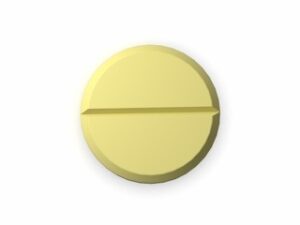
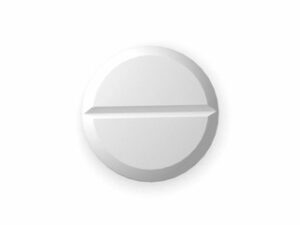
| Available Forms & Strengths | Tablets: 250 mg; Injection: 500 mg powder for solution |
| Manufacturers | Alphapharm, Aspen Pharmacare, Pfizer |
| Prescription Status | Prescription Only Medicine (Schedule 4, S4) |
Acetazolamide is a prescription medicine most commonly used to manage certain conditions related to excess fluid and pressure in the body. In Australia, it is registered under the brand names Diamox® and Acetazolamide Alphapharm and approved for pharmacy dispensing with a valid prescription.
2. Mechanism of Action
For Patients (Simple Terms): Acetazolamide works by helping your kidneys remove more salt and water from your body. It also reduces the production of fluid in the eye and brain, which helps lower pressure in those areas.
For Healthcare Specialists: Acetazolamide is a reversible carbonic anhydrase inhibitor. It impedes the reabsorption of bicarbonate in the proximal renal tubules, leading to diuresis and alkalinisation of urine. In the ocular ciliary processes, it decreases aqueous humour formation and intraocular pressure. It also reduces cerebrospinal fluid formation, benefitting patients with raised intracranial pressure.
3. Pharmacokinetics: How Your Body Handles Acetazolamide
- Absorption: Well absorbed orally (peak plasma concentrations after 2–4 hours).
- Distribution: Widely distributed, crosses the blood-brain barrier, 90–95% plasma protein bound.
- Metabolism: Not significantly metabolised; mainly excreted unchanged.
- Elimination: Via urine (mostly within 24 hours).
- Duration of Action: Typically 8–12 hours; effects may last longer in some patients.
4. Use in Everyday Life and Best Practices
Acetazolamide tablets are usually taken 1–4 times daily, depending on the condition and medical advice. Always swallow tablets whole with a glass of water.
- When used for glaucoma: Dose is typically 250–1000 mg per day, as prescribed.
- For prevention/treatment of altitude sickness (off-label): Lower doses are used (usually 250 mg once or twice daily).
- Epilepsy or fluid retention disorders: Dose is individualised.
Best practices include regular review by your doctor, especially for long-term use, and consistent supply from your community pharmacy, in line with PBS (Pharmaceutical Benefits Scheme) entitlements where applicable.
5. Dosing in the Morning vs Evening
- Morning dosing: Preferred, especially if twice daily dosing prescribed. Reduces risk of sleep disturbances due to increased urination.
- Evening dosing: Can lead to nocturia (frequent need to urinate at night), disrupting sleep.
- Tip: If your doctor prescribes multiple daily doses, aim to take last dose in late afternoon/evening, never just before bed.
Keep a consistent dosing schedule; use reminders or a medication app if needed.
6. Taking With Food or on an Empty Stomach
- Acetazolamide may be taken with or without food.
- Some people find it gentler on the stomach when taken with meals, especially if upset stomach occurs.
- No major interactions with typical English/Australian diet (high in cereals, dairy, meat, fruit & veg).
Stay well-hydrated, and discuss any major dietary plans with your pharmacist or doctor, particularly regarding sodium or potassium intake.
7. Interaction Warnings
Important Interactions
| Interaction | Details |
|---|---|
| Other diuretics | Risk of dehydration, low sodium/potassium levels. |
| Aspirin (high doses) | May increase risk of toxicity. |
| Anti-epileptics | Effectiveness and side effects may alter; monitor closely. |
| Lithium | Decreases lithium blood levels & effectiveness. |
| Topiramate | Additive risk of kidney stones and metabolic acidosis. |
| Alcohol | May worsen drowsiness; caution if driving or using machinery. |
| Foods high in sodium | Reduce effectiveness; maintain normal salt intake unless advised. |
- Always tell your doctor and pharmacist about all medicines and supplements you take.
- Limit alcohol to recommended Australian guidelines (no more than 10 standard drinks per week).
8. Indications
| Indication | Officially Approved (TGA) | Off-label (Common) |
|---|---|---|
| Glaucoma (acute and chronic types) | ✔ | |
| Adjunct in epilepsy (certain types) | ✔ | |
| Fluid retention due to heart failure/elevated intracranial pressure | ✔ | |
| Prevention/treatment of altitude sickness | ✔ | |
| Pseudotumour cerebri (idiopathic intracranial hypertension) | ✔ | |
| Periodic paralysis (hypokalemic, etc.) | ✔ |
9. Dosing According to Clinical Indications
| Indication | Typical Adult Dose | Pediatric Dose | Elderly (65+ yrs) |
|---|---|---|---|
| Glaucoma | 250 mg 1–4 times daily | 5–10 mg/kg/day, divided doses | Start low, monitor closely |
| Epilepsy (adjunct) | 250–1000 mg/day in divided doses | 8–30 mg/kg/day (max 750 mg/day) | Use lowest effective dose |
| Altitude sickness (off-label) | 250 mg every 12 hours | Not routinely recommended | Monitor renal function |
| Idiopathic intracranial hypertension | 250–2000 mg/day (divided doses) | Consult specialist | Careful with renal impairment |
All doses should be individualised—please follow your doctor's directions closely.
10. Safety Profile and Side Effects
| Frequency | Side Effect |
|---|---|
| Common | Tingling/numbness in hands or feet, taste disturbance, loss of appetite, increased urination, mild nausea/diarrhoea, tiredness |
| Occasional | Kidney stones, headache, confusion/irritability, blurred vision, ringing in ears, mood changes |
| Rare | Severe skin rash, blood disorders (anaemia, thrombocytopenia), liver or kidney impairment, allergic reaction/angioedema |
| Warning Signs | Unusual bleeding or bruising, jaundice (yellow eyes/skin), severe fatigue or muscle weakness, allergic reaction (face/throat swelling, severe rash, difficulty breathing) – seek urgent medical help |
Inform your doctor if you notice persistent increased tiredness, confusion, or changes in your mood. Report any severe or unusual reactions immediately.
11. Guidelines for Proper Use (Australia)
- Take the medicine exactly as prescribed by your healthcare provider.
- Store in a cool, dry place away from direct sunlight and out of reach of children.
- Regular blood tests (kidney function, electrolytes) may be required for those on long-term treatment.
- Report symptoms of dehydration (unusual thirst, dry mouth) or electrolyte imbalance (muscle cramps, weakness).
- Don’t abruptly stop the medicine unless instructed by your doctor.
- Acetazolamide may be supplied on the Pharmaceutical Benefits Scheme (PBS) for certain conditions—discuss with your pharmacist about cost savings.
12. Alternative Treatment Options
- Other diuretics: E.g., furosemide, hydrochlorothiazide – suitable for fluid overload but do not lower pressure in the eye or brain.
- Topical eye drops (for glaucoma): Latanoprost, timolol – fewer systemic side effects, preferred for many glaucoma patients.
- Anticonvulsant alternatives (for epilepsy): Sodium valproate, carbamazepine, lamotrigine – discuss options with your neurologist.
- Non-drug options for altitude sickness: Gradual ascent, adequate hydration, rest – discuss with your travel health provider.
Not all alternatives are covered by the PBS. Your pharmacy or GP can advise on reimbursement and clinical suitability.
13. Legal, Registration, and Reimbursement Status
- Registration authority: Therapeutic Goods Administration (TGA)
- Prescription status: Schedule 4 (Prescription Only); not available over-the-counter.
- Reimbursement: PBS-listed for approved indications; check eligibility criteria with your pharmacist.
- Imported/off-label use: Must be prescribed by an authorised practitioner in Australia.
14. Latest Research and Clinical Guidance (2022–2025)
- Recent reviews confirm acetazolamide’s effectiveness and main safety concerns (hypokalaemia, renal stones) in idiopathic intracranial hypertension (McDermott et al., Ophthalmic Res, 2023).
- Australian and UK guidelines recommend cautious use in elderly and those with kidney impairment (Royal College of Ophthalmologists Glaucoma Standards, 2024).
- For altitude sickness, acetazolamide remains first-line pharmacotherapy; slow ascent and regular monitoring recommended (Travel Medicine Society of Australia, 2023 consensus).
15. Availability and Delivery (Australia)
| Form/Pack Size | Typical PBS Price (2024) | Major City Delivery (estimate) |
|---|---|---|
| 250 mg x 100 tablets | $20–35 PBS co-pay* | Sydney/Melbourne/Brisbane: 1–2 business days |
| 500 mg injection x 5 | $40–60 (private/RPBS) | Adelaide/Perth/Hobart: 2–3 business days |
*Patient co-payment on the PBS as of June 2024 (subject to concessional status). Remote areas may add 1–3 days for delivery.
16. FAQ – Common Patient Questions
- Can I stop acetazolamide suddenly?
No, do not stop this medicine without medical advice, especially if on long-term therapy. Stopping suddenly may worsen your symptoms or cause complications. - Is acetazolamide safe in pregnancy or while breastfeeding?
Acetazolamide is not generally recommended during pregnancy or breastfeeding. Discuss risks and benefits with your doctor if you are planning for a baby, pregnant, or breastfeeding. - How will I know if acetazolamide is working?
This depends on your condition. Relief of symptoms (such as reduced headache in high altitude or improvement in vision pressure for glaucoma) indicates effectiveness. Your doctor may order lab tests or eye exams to monitor. - What should I do if I miss a dose?
Take your missed dose as soon as you remember, unless it’s close to the next dose—then skip and continue as normal. Do not double up to make up for missed tablets. - Are regular check-ups needed?
Yes, periodic review with your doctor is important to monitor for side effects and make sure your treatment is still necessary and effective.
For more advice, consult your local pharmacist or GP, or visit the Therapeutic Goods Administration (TGA) for the latest Australian medicine safety updates.