Solifenacin – Comprehensive Patient Information for Australia
Basic Product Information
| International Non-Proprietary Name (INN) | Solifenacin |
| Common Brand Names in Australia | Vesicare®, Solifenacin Sandoz®, APO-Solifenacin |
| ATC Code | G04BD08 |
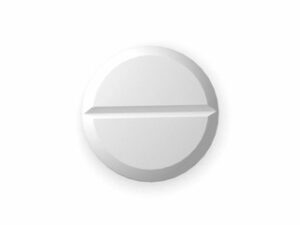
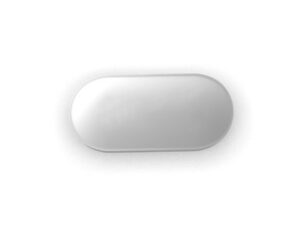
| Available Forms and Strengths | Tablets: 5 mg and 10 mg |
| Manufacturers | Astellas Pharma Australia, Sandoz Pty Ltd, Apotex Pty Ltd |
| Prescription Status | Prescription only (Schedule 4) |
Mechanism of Action
For Patients: Solifenacin helps manage symptoms of an overactive bladder. It belongs to a group of medicines called antimuscarinics. It works by relaxing the muscles in the bladder, which helps reduce feelings of urgency, how often you need to go, and accidental leaks.
For Healthcare Specialists: Solifenacin is a competitive, selective antagonist of muscarinic M3 receptors, predominantly expressed in the detrusor muscle of the bladder. Inhibition of these receptors diminishes acetylcholine-induced bladder contractions, lowering detrusor overactivity and increasing bladder capacity.
Pharmacokinetics
- Absorption: Solifenacin is well-absorbed after oral administration; peak plasma concentrations occur within 3–8 hours.
- Bioavailability: Approximately 90% (high oral bioavailability)
- Metabolism: Extensively metabolised in the liver (primary CYP3A4 pathway)
- Elimination: Mostly in urine (about 70%) and some via faeces (about 23%)
- Half-Life: Around 45–68 hours, resulting in a long duration of action.
Use in Everyday Life and Best Practices
Solifenacin is usually taken once daily, with or without food, at the same time each day to maximise its effectiveness. It helps manage symptoms such as sudden urges to urinate, frequent urination, and urge incontinence. In Australia, Solifenacin can be taken discretely at home or work; maintaining a regular schedule is recommended. Always follow your healthcare professional’s instructions regarding dose and timing.
- Standard Adult Dose: 5 mg once daily, which may be increased to 10 mg if needed and tolerated.
- Tablets should be swallowed whole with water, not chewed or crushed.
- Missed Dose: Take as soon as remembered unless it is almost time for the next dose.
- If you miss multiple doses, let your doctor or pharmacist know before restarting.
Dosing in the Morning vs Evening
- Morning dosing: May help address symptoms throughout the day, aligning bladder control with active hours. Easier to remember to take after breakfast.
- Evening dosing: May help with nocturnal symptoms but can increase the risk of dry mouth overnight.
- Tip: Choose a regular time that fits your daily routine for the best adherence—consistency is more important than time of day.
Taking with Food or on an Empty Stomach
Solifenacin can be taken with or without food. Food does not significantly affect absorption, so it is suitable for use with diverse Australian dietary habits, including regular meals, vegetarian, or low-carbohydrate diets. Taking with food may help reduce gastrointestinal side effects for some people.
Interaction Warnings
| Type | Examples | Advice |
|---|---|---|
| Food interactions | Grapefruit juice | Avoid large amounts – may increase medicine levels |
| Alcohol | Wine/beer/spirits | Alcohol may worsen side effects such as drowsiness; drink in moderation |
| Other medicines | Ketoconazole, clarithromycin, ritonavir (CYP3A4 inhibitors) | Can increase Solifenacin levels; dose adjustment may be needed |
| Other anticholinergics | Oxybutynin, tolterodine, tricyclic antidepressants | Increased risk of side effects; avoid combination unless supervised |
| QT-prolonging drugs | Amiodarone, sotalol, erythromycin | Monitor heart health if combined |
Indications
| Indication | Approved in Australia | Typical Use |
|---|---|---|
| Overactive bladder syndrome (OAB) | Yes (TGA) | Adults with symptoms of urgency, frequency, and urge incontinence |
| Neurogenic bladder dysfunction | No (off-label) | May be prescribed in specialist settings |
| Pediatric urinary urgency/incontinence | No (off-label) | Only under specialist supervision |
Dosing According to Clinical Indications
| Indication/Population | Recommended Dose | Notes |
|---|---|---|
| Adults (OAB) | 5 mg once daily; may increase to 10 mg daily | Start at lower dose to limit side effects |
| Elderly | 5 mg once daily | Increase to 10 mg only if well tolerated |
| Children (off-label) | Dose varies (specialist only) | Safety and efficacy not established |
Safety Profile / Side Effects
- Very common (≥1/10): Dry mouth
- Common (≥1/100 to <1/10): Constipation, blurred vision, dry eyes, urinary tract infection, abdominal pain, nausea, indigestion
- Uncommon (≥1/1,000 to <1/100): Skin rash, urinary retention, palpitations, drowsiness, increased heart rate
- Rare (<1/1,000): Allergic reactions (swelling of face/throat), hallucinations, confusion
| Side Effect | Frequency | Advice |
|---|---|---|
| Dry mouth | Very common | Sip water, use sugar-free gum |
| Constipation | Common | Increase fibre/fluid intake, discuss laxatives if needed |
| Blurred vision | Common | Avoid driving if affected |
| Allergic reaction | Rare | Seek urgent medical help |
| Urinary retention | Uncommon | Inform doctor if unable to urinate |
Guidelines for Proper Use (Australia)
- Always follow the specific instructions provided by your doctor or pharmacist.
- Swallow the tablets whole with water – do not chew, split, or crush.
- Watch for signs of constipation or severe dry mouth; discuss with your pharmacist ways to relieve these.
- If you are elderly or have kidney or liver problems, a lower starting dose is recommended.
- Carry your Medicare and concession card for subsidised treatment access.
- Maintain a healthy diet with plenty of water, fibre, and regular exercise.
- Contact your GP or pharmacist if you experience severe side effects or signs of an allergic reaction.
Alternative Treatment Options in Australia
- Oxybutynin: Available as immediate or modified-release tablets; more likely to cause drowsiness or cognitive effects. Subsidised by the Pharmaceutical Benefits Scheme (PBS).
- Tolterodine: Similar class; may cause less dry mouth. Also on PBS.
- Mirabegron: Works differently (beta-3 agonist), fewer anticholinergic side effects, but may raise blood pressure. On PBS for some indications.
- Non-drug treatments: Bladder retraining, pelvic floor physiotherapy are recommended first-line strategies per Australian guidelines.
Comparative overview: Solifenacin has a longer action and may cause less drowsiness compared to oxybutynin but is more likely than mirabegron to cause a dry mouth or constipation. All drugs have distinct side effect profiles, and selection should be personalised.
Legal, Registration, and Reimbursement Status in Australia
- Approved by the Therapeutic Goods Administration (TGA)
- Available only with a doctor’s prescription (Schedule 4)
- Solifenacin (Vesicare®) is listed and subsidised on the PBS, providing affordable access for eligible Australians
- Not available over-the-counter or without a valid prescription
- Manufactured and distributed in compliance with Australian regulatory standards
Latest Research and Clinical Guidance (2022–2025)
- Australian and international guidelines continue to recommend Solifenacin as a second-line pharmacological treatment for overactive bladder when lifestyle changes are insufficient (Australian Therapeutic Guidelines; NICE NG123).
- Recent studies (e.g., Australia and New Zealand Journal of Obstetrics and Gynaecology, 2023) confirm that Solifenacin offers sustained symptom relief and good tolerability, especially in older adults compared to oxybutynin.
- Mirabegron is suggested as an alternative in those with cognitive side effect concerns (BJU International, 2024). Combination therapy may be considered for severe cases under specialist care.
- Safety updates: Ongoing monitoring is recommended for high-risk groups (elderly, renal impairment).
Availability and Delivery
| Pack Size | Typical PBS Price (concession) | Estimated Retail Price | Delivery Time (Sydney) | Delivery Time (Melbourne) | Delivery Time (Perth) |
|---|---|---|---|---|---|
| 30 tablets (5 mg or 10 mg) | $7.30 | $35–$55 | 1–2 days | 1–2 days | 2–5 days |
| 90 tablets | $21.90 | $90–$150 | 1–2 days (on order) | 2–3 days (on order) | 3–7 days |
Note: Prices and delivery times are indicative and may vary between pharmacies and locations.
Frequently Asked Questions (FAQ)
- Q: How long does Solifenacin take to start working?
A: Many people notice symptom improvement within one to two weeks, but full benefits may take up to 4–8 weeks. - Q: Can I drink alcohol while taking Solifenacin?
A: It is generally safe in moderation, but alcohol may worsen drowsiness and bladder symptoms. Always drink responsibly and consult your pharmacist if unsure. - Q: Is Solifenacin safe for long-term use?
A: Yes, many Australians use it safely over months or years, but regular check-ups with your doctor are important. - Q: What should I do if I forget a dose?
A: Take it as soon as remembered unless it is almost time for the next dose. Do not double up doses. - Q: Can Solifenacin be used during pregnancy or breastfeeding?
A: It is not recommended during pregnancy or breastfeeding unless your doctor advises it is necessary and has discussed the risks and benefits.
Always consult your pharmacist, GP, or specialist if you have any concerns, experience side effects, or want information tailored to your health conditions or lifestyle.