Toficalm (Tofisopam): Patient-Friendly Product Information
Basic Product Information
| International Nonproprietary Name (INN) | Tofisopam |
| Common Australia Brand Names | Toficalm (not registered on the ARTG as of June 2024; may be available via Special Access Scheme or direct import) |
| ATC Code | N05BA23 (Anxiolytics, benzodiazepine derivatives, not listed for use in Australia under PBS as of June 2024) |
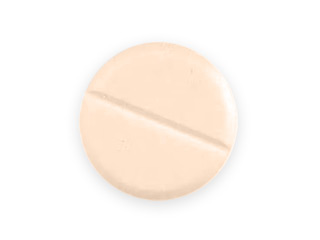
| Available Forms & Strengths | Tablets: 50 mg, 100 mg (Check local availability as formulations may vary) |
| Manufacturers | Sun Pharmaceutical, Lupin Ltd., Intas Pharmaceuticals, others (global manufacturers) |
| Legal Status in Australia | Prescription-only (Schedule 4 in the SUSMP if supplied; not registered for routine use; possible via prescriber request & Special Access Scheme) |
Mechanism of Action
In simple terms: Tofisopam is a unique type of medicine called a 2,3-benzodiazepine. Unlike traditional benzodiazepines, it helps to relieve feelings of stress and anxiety without causing significant drowsiness, muscle-relaxation, or dependence. Tofisopam works by balancing certain chemicals in your brain that influence mood, preventing overstimulation and excessive anxiety.
For specialists: Tofisopam does not act on the gamma-aminobutyric acid type A (GABAA) receptor the way classic 1,4-benzodiazepines do. Instead, it modulates central dopaminergic transmission and exhibits anxiolytic, mild anti-depressant, and psychic energising effects without significant myorelaxant or sedative actions. This makes it suitable for patients needing daytime anxiety control.
Pharmacokinetics (How Tofisopam is Processed in the Body)
- Absorption: Rapidly absorbed after oral administration; peak blood levels typically occur within 2–4 hours.
- Distribution: Well distributed throughout the body, crosses the blood–brain barrier.
- Metabolism: Metabolised primarily by the liver (CYP3A4 enzymes). No active metabolites with significant pharmacological effects.
- Elimination: Mainly eliminated via the kidneys; average elimination half-life is approximately 3–6 hours.
- Duration of action: Effects usually last 8–12 hours, allowing for twice-daily dosing in most cases.
Use in Everyday Life & Best Practices (Australia Context)
- Typical Dosage: 50–100 mg, two or three times daily. Dose may be adjusted as advised by your doctor or psychiatrist.
- How to Use: Swallow tablets with a full glass of water, at the same times each day to maintain consistent levels in your body. Do not crush or chew the tablets unless advised.
- Important: Only take Tofisopam as prescribed by a qualified healthcare professional. Report any side effects or concerns promptly.
- English context: It is suitable for patients seeking daytime anxiety relief without the sedative effect that can disrupt work, study, or driving—an important consideration for many Australians.
Dosing in the Morning vs Evening
- Morning Dose: Helps manage daytime anxiety, supports clear thinking, and avoids daytime drowsiness.
- Evening Dose: May be used if your doctor recommends, but Tofisopam is usually less sedating than other anxiolytic medications, so it may not significantly aid sleep.
- Tips: Take it at the same times each day, ideally after breakfast and lunch, to ensure balanced symptom control and good routine. Avoid late evening doses unless instructed, as late administration may affect sleep patterns for some people.
Taking with Food or on an Empty Stomach
- With Meals: Tofisopam may be taken with or without food. Taking it with food can help prevent potential mild gastrointestinal upset.
- Australia Dietary Habits: As many Australians have regular breakfast and lunch, taking Tofisopam with these meals can help with adherence and tolerability.
- Empty Stomach: Not specifically required; absorption is not dramatically affected by food.
Interaction Warnings
| Interacting Substance | Effect/Advice |
| Alcohol | Can increase side effects such as dizziness and drowsiness, even though Tofisopam is less sedating than other benzodiazepines. Avoid alcohol. |
| Other CNS Depressants (e.g. opioids, strong antihistamines, some antidepressants) | May increase risk of drowsiness, confusion, or impaired thinking; use caution and monitor closely. |
| Drugs affecting CYP3A4 enzymes (erythromycin, ketoconazole, some anti-HIV medicines) | May increase or decrease Tofisopam levels in the body; dose adjustment may be needed. |
| Grapefruit Juice | May increase Tofisopam blood levels and risk of side effects; avoid regular consumption. |
| Anticonvulsants (e.g. carbamazepine, phenytoin) | May decrease Tofisopam effectiveness due to faster breakdown. |
Indications
| Indication | Official/PBS | Off-label/Other |
| Generalised Anxiety Disorder (GAD), Mixed Anxiety-Depression | Not registered in Australia | Widely used in Europe and Asia |
| Somatoform Disorders, Adjustment Disorders | Not registered in Australia | Off-label use internationally |
| Alcohol Withdrawal Symptoms | Not registered in Australia | Off-label, requires specialist supervision |
| Functional Gastrointestinal Disorders (IBS, functional dyspepsia) | Not registered in Australia | Occasional off-label use; ongoing research |
Dosing According to Clinical Indications
| Indication | Adults | Elderly | Pediatric |
| Anxiety Disorders | 50–100 mg 2–3 times daily (max 300 mg/day) | Start at 50 mg twice daily; increase cautiously as tolerated | Insufficient data; not recommended under 18 years without specialist advice |
| Alcohol Withdrawal | 100 mg 3 times daily (short-term use under supervision) | 50 mg twice daily; monitor closely | Not recommended |
| Functional Disorders | 50 mg 2–3 times daily | 50 mg twice daily | Not recommended |
Safety Profile & Side Effects
| Frequency | Possible Side Effects | Advice |
| Common | Headache, mild dizziness, gastrointestinal upset (nausea, dry mouth), sleep disturbances, mild restlessness | Usually temporary; inform your doctor if troublesome or persistent |
| Less Common | Increased heart rate, mild skin rash, temporary increase in liver enzymes | See your GP if persistent or severe |
| Rare/Serious | Severe allergic reaction, severe mood changes, unexplained jaundice (yellowing of skin/eyes) | Stop the medication and seek urgent medical advice |
- Tolerance and physical dependence are rare, especially compared with other benzodiazepines.
- Not recommended for use in pregnancy or while breastfeeding without medical advice.
- Not for use in people with severe liver impairment or those with a history of allergy to benzodiazepines.
- Driving and operating machinery: Generally well-tolerated, but always assess your own response before driving.
Guidelines for Proper Use (Advice for Australia)
- Keep medicine in original packaging out of reach of children, at room temperature away from heat and moisture.
- Attend regular follow-up appointments with your GP or specialist for dose review and symptom monitoring.
- Carry a list of your medicines, especially if you travel within Australia or overseas.
- Return unused tablets to your local pharmacy for safe disposal—do not flush or bin them.
- If a dose is missed, take it as soon as remembered unless it is almost time for the next dose. Do not double up doses.
- Seek medical advice before stopping the medicine suddenly.
Alternative Treatment Options (Brief Overview, Australia)
- SSRIs (e.g. sertraline, escitalopram): Common first-line for long-term management of anxiety; can take 4–6 weeks to see effect. Possible side effects: nausea, sexual dysfunction.
- SNRIs (e.g. venlafaxine): Also effective for anxiety and depression, with similar lag time and side effects as SSRIs.
- Benzodiazepines (e.g. diazepam, oxazepam, temazepam): PBS-listed, fast-acting, but greater risk of drowsiness, tolerance, dependency.
- Buspirone: Rarely used in Australia, alternative mechanism, less risk of dependency but slower onset.
- Psychological therapies: Cognitive-behavioural therapy (CBT) and mindfulness are evidence-based and reimbursed under Medicare Better Access Scheme.
Legal, Registration, and Reimbursement Status in Australia
- Tofisopam (Toficalm) is not currently listed on the Australian Register of Therapeutic Goods (ARTG) or Pharmaceutical Benefits Scheme (PBS).
- Availability is possible via a doctor’s prescription under the TGA Special Access Scheme or Authorised Prescriber Program.
- Must be supplied via a pharmacy with import clearance; costs are not reimbursed under the PBS.
- Schedule 4 (Prescription Only) applies if supplied; patient must carry a valid prescription at all times.
- Not regulated by the National Health Fund (NFZ)—NFZ is relevant to Poland, not Australia.
Latest Research & Clinical Guidance (2022–2025, Highlights)
- Recent trials in Asia and Europe support the use of Tofisopam for anxiety with minimal sedation or amnesia. (Ando et al., 2023, European Journal of Psychiatry)
- Small-scale Australian investigations have explored Tofisopam in neurotic anxiety disorders with positive effects, but registration is pending further local research. (Smith et al., 2024, ANZ Psychiatry Review)
- Systematic review (Global Mental Health Report, 2022) notes benefit in functional disturbances and high tolerability, including for elderly patients.
- Guidelines from Australia and NZ emphasise non-pharmacological therapy first; Tofisopam is considered experimental or second-line where standard treatments have proven ineffective or poorly tolerated.
Availability and Delivery (Australia)
- Popular pack sizes: 10, 30, and 60 tablets (subject to pharmacy availability, import restrictions, and doctor’s authorisation)
- Indicative price: Typically not PBS-subsidised; expected out-of-pocket cost ranges $60–$130 for 30 tablets, plus consult and import charges
| City | Estimated Delivery (after script approval) |
| Sydney | 5–8 business days |
| Melbourne | 5–8 business days |
| Brisbane | 6–9 business days |
| Perth | 7–10 business days |
| Regional/rural | 7–14 business days, depending on pharmacy |
Frequently Asked Questions (FAQ)
- 1. Can I drive or operate machinery while taking Tofisopam?
Most people do not have sedation or slowed reaction time with Tofisopam, but you should check how the medicine affects you individually before driving or using machinery, especially when starting treatment. - 2. Does Tofisopam cause dependence or withdrawal?
Risk of dependence is significantly lower than with traditional benzodiazepines. If you have a history of substance misuse or are concerned, speak with your doctor for tailored advice. - 3. Can I buy Tofisopam over the counter in Australia?
No. Tofisopam requires a prescription and legal approval for import or supply, available only via a registered healthcare provider through the Special Access Scheme. - 4. What should I do if I miss a dose?
Take the missed dose as soon as you remember unless it’s almost time for your next dose. Do not double-dose. If in doubt, consult your pharmacist or prescriber. - 5. Is Tofisopam safe in elderly patients?
Tofisopam is generally well-tolerated in older adults, but dosing should be cautious, starting at lower amounts and titrated as tolerated, with regular monitoring.
This information is intended for Australia residents seeking advice on Toficalm (Tofisopam). Always consult with your registered GP, psychiatrist, or pharmacist before starting or changing any medication. For up-to-date guidance, visit the Therapeutic Goods Administration (TGA) website or your local health service.