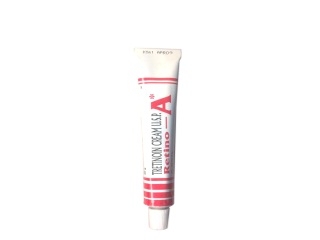
Retin-A Cream (Tretinoin): Patient-Friendly Guide for Australia
Basic Product Information
| International Nonproprietary Name (INN) | Tretinoin |
|---|---|
| Australian Brand Names | Retin-A®, Retrieve®, Stieva-A®, Stepivision® |
| Anatomical Therapeutic Chemical (ATC) Code | D10AD01 |
| Available Forms & Strengths | Cream, Gel: 0.025%, 0.05%, 0.1% |
| Manufacturers | Janssen-Cilag Pty Ltd, Galderma Australia Pty Ltd, others |
| Prescription Status | Prescription-Only Medicine (Schedule 4, S4) |
Mechanism of Action
For Patients: Retin-A cream contains tretinoin, a form of vitamin A that helps your skin renew itself more quickly. By increasing skin cell turnover, it unclogs pores, reduces blackheads, and smooths rough skin, which helps treat acne and signs of skin ageing.
For Specialists: Tretinoin (all-trans retinoic acid) binds to nuclear retinoic acid receptors (RARs) and modulates gene expression, promoting epidermal cell proliferation and differentiation while reducing follicular keratinization and sebaceous gland activity.
Pharmacokinetics
- Absorption: Minimal systemic absorption in healthy, intact skin; increased with broken skin or overuse.
- Metabolism: Metabolised in the skin and liver to active and inactive metabolites.
- Elimination: Mainly via the kidneys (urine).
- Duration of Action: Topical effects persist for several hours; act locally on epidermal and dermal tissues.
Everyday Use and Best Practices in Australia
- Typical Dose: A pea-sized amount to be applied once daily, usually in the evening.
- How to Use:
- Wash your hands and face with mild non-soap cleanser. Pat face dry (wait 10-20 minutes if skin is damp).
- Apply a thin layer of Retin-A cream to the affected area (avoiding eyes, mouth, nostrils, and open wounds).
- Wash hands after use.
- Apply a gentle moisturiser as needed to reduce dryness.
- Special Notes: Start with lower strengths if you have sensitive skin. Discuss regular sunscreen use (SPF 30+ recommended) with your pharmacist or GP, as Australian UV levels are high.
Dosing: Morning vs Evening
- Evening Use (Recommended):
- Less risk of sun sensitivity/irritation.
- Efficacy is not reduced by sunlight.
- Allows absorption overnight, reducing risk of accidental removal.
- Morning Use:
- Generally not advised, as tretinoin is inactivated by sunlight.
- If accidentally applied in the morning, use high SPF sunscreen and minimise sun exposure.
- Tip: Apply at the same time every night for optimal results.
Use with Food or on an Empty Stomach
Retin-A is a topical medication—oral food interactions are not relevant. However, avoid applying immediately after hot showers, as skin absorption may increase, leading to irritation. In the Australian context, avoid using on sunburnt skin after outdoor activities.
Interaction Warnings
| Type | Interaction | Advice |
|---|---|---|
| Other Topical Medicines | May increase irritation if combined with products containing benzoyl peroxide, salicylic acid, resorcinol, or alpha hydroxy acids. | Consult GP or pharmacist before combining treatments. |
| Alcohol | No direct absorption issue, but alcohol-based cosmetic products (aftershaves, astringents) may worsen irritation. | Avoid alcohol-based products on treated skin. |
| Cosmetics | Makeup and sunscreen can generally be used after tretinoin has absorbed. | Wait 20-30 minutes before applying makeup or sunscreen. |
| Medicines Increasing Sun Sensitivity | Antibiotics (e.g., doxycycline), diuretics, some NSAIDs. | Use extra caution with sun exposure. |
Indications for Use
| Official Indications (AU TGA approved) | Mild-to-moderate acne vulgaris; photoageing (by prescription for skin rejuvenation). |
|---|---|
| Off-label Uses (Specialist) | Melasma, post-inflammatory hyperpigmentation, keratosis pilaris, fine wrinkle reduction, adjunct in psoriasis. |
Dosing According to Clinical Indication
| Population | Strength | Frequency | Notes |
|---|---|---|---|
| Adults | 0.025-0.05% | Once daily (evening) | May increase to 0.1% for severe cases under supervision |
| Paediatrics (12-17 yrs) | 0.01-0.025% | Once every other night, titrate as tolerated | Not recommended for children under 12 |
| Elderly (>65 yrs) | 0.025% | Once daily or every other night | Monitor for increased sensitivity |
Safety Profile & Side Effects
| Common Side Effects | Redness, dryness, peeling, mild stinging or burning, increased sensitivity to sunlight. |
|---|---|
| Uncommon/Rare Side Effects | Swelling, severe burning, blistering, hyperpigmentation, allergic reaction (rash, intense itching). |
| Contraindications & Precautions |
|
Guidelines for Proper Use – Australian Perspective
- To avoid excessive irritation, introduce gradually (start every third night, increasing to nightly as tolerated).
- Pair Retin-A with a fragrance-free moisturiser to alleviate dryness and support skin barrier, especially in Australia's often dry climate.
- Always wear broad-spectrum sunscreen (SPF 30 or higher) and hat outdoors, especially in high UV-index regions (e.g., QLD, NSW, NT).
- Avoid waxing or using abrasive cleansers on treated areas.
- Store below 25°C and avoid heat or direct sunlight, as hot weather may degrade formula (common in many parts of Australia).
- Do not abruptly stop use; taper off to reduce rebound effects.
- Consult your pharmacist for advice if irritation persists beyond 4 weeks or if skin reaction is severe.
Alternative Treatment Options
- Topical Benzoyl Peroxide (AU PBS subsidised): Useful for mild acne, no prescription needed, but can bleach clothing and may cause dryness.
- Topical Clindamycin or Erythromycin (prescription): For inflammatory acne; less effect on comedones. Possible risk of antibiotic resistance.
- Azelaic Acid Cream (e.g., Finacea®, Skinoren®): Also available via PBS, suitable for acne and pigmentation, generally well tolerated.
- Oral Treatments (Prescribed): Doxycycline, isotretinoin; for severe acne only due to risk of systemic side effects;
- Other Retinoids (Adapalene, Tazarotene): Similar efficacy; lower rates of irritation for some patients. Availability varies.
- All alternatives should be discussed with your GP or skin specialist based on symptom severity, skin type, and previous treatments.
Legal, Registration, and Reimbursement Status in Australia
- Distributed under the Therapeutic Goods Administration (TGA) regulatory framework.
- Prescription required (Schedule 4).
- Some formulations may be subsidised under the Pharmaceutical Benefits Scheme (PBS) for certain indications such as acne vulgaris.
- Not subsidised for cosmetic skin ageing/wrinkles – out-of-pocket payment required in this context.
- For further information, see the Australian Government's PBS website or discuss with your pharmacist.
Latest Research and Clinical Guidance (2022–2025)
- Recent Australian Dermatology Guidelines (2023) confirm tretinoin as a first-line prescription for comedonal and inflammatory acne in adolescents and adults (Australas J Dermatol. 2023; 64:25-38).
- Studies support its long-term effect in maintaining acne clearance—even up to 2 years—with minimal systemic absorption (Br J Dermatol. 2024; 191:108-117).
- Evolving data show potential for combination use with topical antibiotics (where indicated) or azelaic acid to improve outcomes and reduce side effects (J Am Acad Dermatol. 2022; 87:390-398).
- Latest safety alerts: Tretinoin remains contraindicated in pregnancy (confirmed by TGA and international authorities in 2023–2024).
Availability and Delivery in Australia
| Pack Size | Approximate Retail Price (AUD) | Prescription Requirement | Popular Delivery Times |
|---|---|---|---|
| 20g tube | $16–$29 | Yes | Sydney, Melbourne, Brisbane: 1-2 days; Perth, Adelaide: 2-3 days; Rural/Remote: 2-5 days |
| 30g tube | $22–$38 | Yes | As above |
Availability of specific strengths or brands may vary between pharmacy chains and states due to local stock or supplier policy.
Frequently Asked Questions (FAQ)
- Is Retin-A cream safe during pregnancy or breastfeeding?
No. Retin-A (tretinoin) is not recommended during pregnancy due to potential harm to the baby. Discuss alternatives with your GP. For breastfeeding, avoid use on the breast and seek medical advice. - How long does it take to see results?
Most people see improvement in acne or skin texture after 6–12 weeks of nightly use. Your skin may look worse (peeling or redness) in the first 2–4 weeks, which is a common, temporary effect. - Can I use Retin-A with my daily sunscreen and moisturiser?
Yes. Use a simple, fragrance-free moisturiser. Sunscreen is essential; apply it every morning, even on cloudy days, to protect against increased sun sensitivity. - Should I stop using Retin-A in summer or before going outdoors?
You should continue if you use sunscreen, wear a hat, and avoid peak sun hours. If you develop sunburn, stop until skin heals. - What do I do if I forget a dose?
Skip the missed application and resume your usual schedule the next evening. Do not double the dose.
For more information or personalised medical advice, consult your GP, dermatologist, or accredited Australian pharmacy professional.