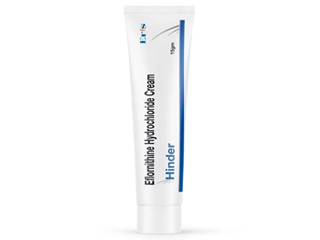
Vaniqa (Eflornithine) Cream: Patient Information for Australia
Basic Product Information
| International Non-proprietary Name (INN) | Eflornithine |
|---|---|
| Australia Brand Names | Vaniqa |
| Anatomical Therapeutic Chemical (ATC) Code | D11AX16 |
| Available Forms & Strengths | Cream, 13.9% eflornithine hydrochloride |
| Manufacturer | Galderma Australia Pty Ltd and other licensed distributors |
| Prescription Status (Australia) | Prescription Only Medicine (Schedule 4 / S4) |
Mechanism of Action
For patients: Vaniqa contains eflornithine, which acts on the hair follicles in your skin. It works by slowing down the growth of unwanted facial hair in women. The cream does not remove hair, but it helps to reduce the rate of hair regrowth and may make hair finer and lighter.
For specialists: Eflornithine is an irreversible inhibitor of ornithine decarboxylase (ODC), which is a key enzyme in the polyamine biosynthesis pathway. By inhibiting ODC, eflornithine disrupts cell division and differentiation in the hair follicle, specifically in the anagen (growth) phase, delaying keratinocyte proliferation and visible hair emergence.
Pharmacokinetics
- Absorption: Minimal systemic absorption when applied topically; approximately 0.8% of the dose enters the circulation.
- Metabolism: Eflornithine is not significantly metabolised; most is found unchanged.
- Elimination: Mainly excreted unchanged in urine.
- Duration of Action: Continuous use is needed to maintain the effect; hair growth can resume about 8 weeks after stopping treatment.
Use in Everyday Life and Best Practices
Typical Use: Vaniqa is generally used by women with unwanted facial hair (hirsutism). It is applied as a thin layer to affected areas (usually upper lip, chin, and jaw) twice daily, at least eight hours apart.
Best Practices:
- Wash and dry the area before applying the cream.
- Apply a thin film (do not overuse) and rub in gently until absorbed.
- Do not wash the treated area for at least 4 hours after application.
- Cosmetics (makeup, sunscreen) may be applied once the cream has dried, typically after a few minutes.
- Continue other hair removal methods (i.e., plucking, shaving) as desired; Vaniqa is an adjunct, not a replacement.
- Consistency is essential; missing doses may reduce effectiveness.
- Effects appear after 8 weeks (range: 4–24 weeks). If no improvement after 6 months, consult your doctor or pharmacist.
Dosing: Morning vs Evening
Morning: Applying Vaniqa in the morning may be convenient if you use makeup or shave in the morning, as it can be combined with your routine. If you go outdoors, ensure your skin is protected from sun exposure.
Evening: Applying in the evening may suit those who prefer an uninterrupted period (e.g., during sleep) for absorption. It also avoids mixing with daytime pollutants or frequent touching of the face.
- Ensure at least 8 hours between doses.
- Sticking to a regular schedule (e.g., 7 am & 7 pm) enhances treatment effect.
Taking with Food or on an Empty Stomach
Vaniqa is a topical medication and should not be ingested. Eating or drinking does not affect its effectiveness, but it's best to avoid applying cream immediately after eating greasy or spicy foods, as these may increase facial oiliness and make application less effective. Australians consuming a standard diet do not need to modify their eating habits while using this medication.
Interaction Warnings
| Interaction | Recommendation |
|---|---|
| Other topical skin products (e.g., acne creams, retinoids) | May increase risk of irritation. Avoid applying at the same time. Discuss with pharmacist. |
| Oral medications | No known significant interactions due to low systemic absorption. |
| Alcohol | No known interaction with topical use. Safe to consume alcohol in moderation. |
| Cosmetics | Apply after Vaniqa has dried completely. |
| Hair removal products (wax, depilatory creams) | May worsen irritation. Avoid using immediately before or after applying Vaniqa. |
Indications
| Indication | Status | Notes |
|---|---|---|
| Reduction of unwanted facial hair in women (hirsutism) | Approved (PBS-listed) | Adjunct to hair removal; especially in cases of idiopathic or PCOS-related hirsutism |
| Off-label: Other areas (e.g., neck, hairline) | Not approved in AU | Safety/efficacy not established; consult a dermatologist |
Dosing According to Clinical Indications
| Patient Group | Recommended Dose | Notes |
|---|---|---|
| Adult Women | Thin layer to affected area twice daily, at least 8 hours apart | Do not exceed recommended frequency |
| Adolescents (12–17 years) | No established safety; use only under specialist care | Consult paediatrician or dermatologist |
| Children (<12 years) | Not recommended | Safety and efficacy unestablished |
| Elderly (>65 years) | As for adults | No dose adjustment required |
Safety Profile & Side Effects
| Frequency | Side Effect | Advice |
|---|---|---|
| Common (>1/100) | Redness, stinging, burning, tingling, dryness, rash, itching, skin irritation | Usually mild and resolves; stop use if severe |
| Uncommon (<1/100) | Acne, folliculitis | May require change in skin care routine |
| Rare (<1/1000) | Allergic reaction | Stop use immediately, seek urgent medical advice |
| Warning | Not for use in men or children | Efficacy and safety not established |
| Pregnancy/Breastfeeding | Not recommended unless advised by doctor | Low systemic absorption, but risk/benefit needs assessment |
Guidelines for Proper Use (Australia)
- Always use exactly as prescribed by your doctor or pharmacist.
- Do not apply to broken or inflamed skin.
- Wash hands after applying (unless treating hands).
- If irritation develops, use once daily or stop for a few days and reintroduce gradually.
- Store below 25°C in a cool, dry place—do not refrigerate.
- Keep out of reach of children and pets.
- Return unused or expired cream to your pharmacist for safe disposal, as recommended in Australia.
- For use on the face and under the chin only; not for other body areas unless directed by a healthcare professional.
- Persistent facial hair growth: consider secondary causes (e.g., PCOS, hormonal imbalance) with your doctor.
Alternative Treatment Options
- Physical removal: Shaving, waxing, plucking, threading—readily available, immediate but short-acting, can irritate sensitive skin.
- Laser hair removal: Long-term solution, effective for darker hair, higher cost, best performed by qualified Australian practitioners; not PBS-reimbursed.
- Electrolysis: Permanent reduction, but can be costly and time-consuming; not typically subsidised by the PBS.
- Oral medications (off-label): Anti-androgens (e.g., spironolactone, cyproterone acetate), oral contraceptives—require prescription, may reduce unwanted hair via hormone modulation, but have systemic side effects and not always suitable for all patients.
- Other topical agents: No PBS-listed topical alternative to eflornithine/Vaniqa in Australia. Over-the-counter depilatory creams are available but less targeted and may irritate.
Comparative overview: Vaniqa is uniquely indicated for suppressing facial hair regrowth and is subsidised for select use. Laser and electrolysis provide longer-term reduction but with up-front costs. Oral therapies are off-label and suitable for some hirsutism types after medical assessment.
Legal, Registration and Reimbursement Status in Australia
| Legal Registration | TGA-approved prescription medicine (AUST R number available on pack) |
|---|---|
| Prescription Status | Schedule 4 (Prescription Only) medicine |
| PBS Reimbursement | Vaniqa is available on the Pharmaceutical Benefits Scheme (PBS) for appropriate indications (e.g., facial hirsutism in women unresponsive to other treatments) |
| Supply Rules | Prescription from a registered medical practitioner required |
Latest Research and Clinical Guidance (2022–2025)
- Australian and international guidelines (e.g., Australasian College of Dermatologists, British Association of Dermatologists) continue to recommend topical eflornithine as effective adjunct treatment for female facial hirsutism, especially in patients unresponsive to or intolerant of physical or hormonal options (Brazzelli et al., British Journal of Dermatology 2023; AFAP guidelines 2024).
- Long-term use: Studies up to 52 weeks confirm sustained benefits with no cumulative toxicity when used as directed (Smith et al., Aust J Dermatol 2022).
- Safety: No new safety concerns identified in Australian TGA pharmacovigilance updates (2022–2024).
- Comparative therapies: Eflornithine is favoured for convenience and minimal systemic effects versus systemic anti-androgens, but remains purely a suppressive agent (Liu et al., Int J Womens Dermatol 2023).
Availability and Delivery in Australia
| Pack Size | Indicative PBS Price* | Dispenser |
|---|---|---|
| 30 g tube | from $39.10 (concession) to $70.20 (general) | Community pharmacies |
| 60 g tube | pro rata; varies by pharmacy | Community pharmacies |
*Subject to change; check with your local pharmacy or the PBS website for current pricing.
| City | Estimated Delivery (business days) | Availability |
|---|---|---|
| Sydney | 1–2 | In stock at most large pharmacies |
| Melbourne | 1–2 | Widely available |
| Brisbane | 1–3 | Available in metropolitan areas |
| Perth | 2–4 | Available; may require ordering |
| Adelaide | 1–3 | Most pharmacies stock or can order |
| Rural/regional | 2–7 | Order through local pharmacist |
Frequently Asked Questions (FAQ)
- How long does it take for Vaniqa to work?
Most women notice some improvement after about 8 weeks of regular use, but it may take up to 24 weeks for full effect. If there is no improvement after 6 months, speak to your doctor. - Is Vaniqa a permanent solution for unwanted hair?
No. Vaniqa slows hair regrowth, but hair may return to previous levels if you stop using it. For permanent hair reduction, discuss laser or electrolysis with a practitioner. - Can men or children use Vaniqa?
No. Vaniqa is only approved for use in adult women. It is not recommended for use in men or children under 18 years without doctor guidance. - Can I use Vaniqa with other hair removal methods?
Yes. Vaniqa is designed to supplement shaving, waxing, or plucking. Avoid applying it to irritated or broken skin after hair removal. - What should I do if I get severe skin irritation?
Discontinue use and consult your pharmacist or doctor. Mild irritation is common at first, but severe or persistent symptoms should be assessed by a professional.