Provera (Medroxyprogesterone Acetate): A Comprehensive Guide for Patients in Australia
Basic Product Information
| International Nonproprietary Name (INN) | Medroxyprogesterone Acetate |
|---|---|
| Australia Brand Names | Provera, Depo-Provera (injectable form) |
| ATC Code | G03AC06 |
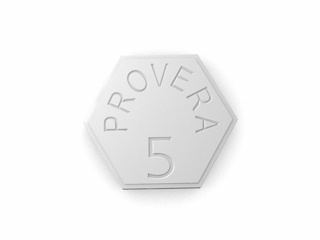
| Available Forms & Strengths |
|
| Manufacturers (Australia) | Pfizer Australia, Sandoz Pty Ltd, and other generic suppliers |
| Prescription Status | Prescription Only Medicine (Schedule 4) |
Mechanism of Action
Simple Explanation for Patients: Provera contains medroxyprogesterone acetate, a synthetic form of the hormone progesterone. In women, progesterone helps regulate the menstrual cycle and maintain pregnancy. Provera works by adjusting hormonal balance in your body, helping to treat menstrual problems, endometriosis, and prevent overgrowth of the uterine lining.
Specialist Notes: Medroxyprogesterone acetate binds to progesterone receptors in the nucleus of target cells, suppressing gonadotropin release from the pituitary gland, and inhibiting ovulation and endometrial hyperplasia. It opposes estrogen-driven proliferative changes in the endometrium, making it essential in hormone replacement therapy (HRT) and contraception.
Pharmacokinetics
- Absorption: Orally administered tablets are well absorbed, with peak plasma concentrations typically within 2–4 hours.
- Metabolism: Extensively metabolised in the liver, primarily via hydroxylation and conjugation.
- Elimination: Excreted mainly in urine (approximately 30-60%) as metabolites; faecal excretion is minor.
- Duration of Action: Oral dose: 12–24 hours; Injection (Depo-Provera): effects lasting 12–14 weeks.
Use in Everyday Life & Best Practices
- Typical Adult Doses: Vary according to condition:
- Irregular periods/amenorrhoea: 5–10 mg daily for 5–10 days per cycle.
- Endometrial protection in HRT: 2.5–10 mg daily for 12–14 days per month.
- Endometriosis: 10 mg three times daily.
- How to Use: Take tablets with a glass of water, around the same time each day to build a routine. For injection, administration will be done at your GP clinic or by a healthcare professional.
- Regularity: Try not to miss doses. If you do, don’t double up; continue your regular schedule and consult your healthcare provider for advice if you miss multiple doses.
- Storage: Store at room temperature, away from direct sunlight and moisture.
Dosing: Morning vs Evening
The time you take Provera (morning or evening) does not generally affect efficacy but maintaining consistency helps the medicine work best and minimises side effects.
- Morning: May suit those who experience drowsiness, as the effect may wear off by night.
- Evening: May be better if you notice nausea or tiredness—taking at bedtime can reduce impact on daily activities.
- Tip: Select a time that fits your daily schedule and helps you remember your dose. Set an alarm or integrate with another routine (eg. brushing teeth).
Taking Provera with Food or on an Empty Stomach
Provera tablets can be taken either with or without food. Taking with food may help reduce stomach discomfort, which is uncommon but possible. No specific English/Australian dietary restrictions are required. If you experience nausea, try with a snack (eg. biscuit or fruit). Avoid high-fat meals that may delay absorption very slightly, but this rarely affects clinical benefits.
Interaction Warnings
| Interaction | Recommendation |
|---|---|
| Food | No significant interactions, may be taken with or without meals. |
| Alcohol | Occasional use generally safe, but excess may worsen some side effects (e.g. dizziness, liver strain). |
| Medications |
|
| Herbal Supplements | Some (e.g. St John's Wort) may decrease concentration and reduce effect. Inform your healthcare provider of all supplements. |
Indications
| Indication | Official (TGA approved) | Off-Label/Additional |
|---|---|---|
| Secondary amenorrhoea, irregular periods | ✔️ | |
| Endometrial hyperplasia (prevention, with estrogen HRT) | ✔️ | |
| Endometriosis | ✔️ | |
| Abnormal uterine bleeding | ✔️ | |
| Contraception (injectable Depo-Provera) | ✔️ | |
| Certain cancers (advanced endometrial/breast cancer) | ✔️ | |
| Appetite stimulation/cachexia (oncological) | ✔️ |
Dosing According to Clinical Indication
| Indication | Adult Dose | Paediatric Dose | Elderly Dose |
|---|---|---|---|
| Irregular periods/amenorrhoea | 5–10 mg daily for 5–10 days/cycle | Not routinely used | Same as adults; monitor closely |
| Endometrial protection (HRT) | 2.5–10 mg daily for 12–14 days/month | Not routinely used | Same as adults; monitor closely |
| Endometriosis | 10 mg three times daily | Not routinely used | Same as adults; lower doses may be considered |
| Contraception (injectable) | 150 mg IM every 12–14 weeks | Rare in paediatric use | Same as adults; limited data in ≥65 years |
Safety Profile and Side Effects
| Type | Potential Effects |
|---|---|
| Common |
|
| Less Common |
|
| Rare |
|
Guidelines for Proper Use
- Follow dosing instructions provided by your doctor precisely; do not adjust dose without consultation.
- Report any new symptoms, especially severe headaches, mood changes, or vision disturbances.
- If you miss a dose, take it as soon as you remember unless nearly time for your next dose—never double dose.
- Routine monitoring (eg. blood pressure, blood tests) might be required during long-term use.
- Tell your pharmacist or doctor about all other medicines, including over-the-counter and herbal products.
- Keep all appointments for injection if on Depot form.
- Inform your clinician immediately if you become pregnant or plan pregnancy while on Provera.
Alternative Treatment Options
- Natural progesterone and micronised progesterone (Prometrium):
- Pros: May suit those intolerant to synthetic progestins, more "natural" profile, fewer side effects in some studies.
- Cons: More frequent dosing, possible drowsiness, limited robust clinical data for some indications.
- Norethisterone (Primolut N):
- Pros: Well established, also PBS-reimbursed.
- Cons: Higher risk of androgenic side effects (eg. acne, hair growth).
- Levonorgestrel (Mirena IUD):
- Pros: Long-acting, effective for heavy bleeding and contraception.
- Cons: Procedure required for insertion, not suitable for all.
- Other hormonal contraceptives: Such as combined oestrogen-progestogen products for cycle control.
Legal, Registration, and Reimbursement Status in Australia
- TGA Registration: Medroxyprogesterone acetate is approved by the Therapeutic Goods Administration (TGA) for the above indications.
- Prescription Category: Schedule 4 (Prescription Only); cannot be purchased without a valid script from a registered medical practitioner.
- PBS Status: Provera is listed on the Pharmaceutical Benefits Scheme (PBS) for several indications, making it subsidised for eligible patients.
- Pharmacy Distribution: Available at community and hospital pharmacies across Australia; also through online registered pharmacies with appropriate prescription upload.
Latest Research and Clinical Guidance (2022–2025)
- A 2023 Australian Prescriber review confirmed ongoing clinical safety of medroxyprogesterone for short- and medium-term use, particularly in HRT regimens (Smith J. et al, 2023).
- RANZCOG continues to recommend Provera as a safe and effective option for treating dysfunctional uterine bleeding and in endometriosis management (Australian Gynaecological Society, 2022).
- No new major safety warnings or contraindications have been issued by TGA up to June 2024.
- Recent studies (UK, 2024) confirm low incidence of serious side effects with oral forms, and support individualised decision-making, particularly in women at risk of thrombotic events.
Availability and Delivery
| Pack Size | Typical Price (AUD) | Availability |
|---|---|---|
| 30 tablets (2.5 mg, 5 mg, 10 mg) | $8–$25 (PBS co-payment for eligible patients as low as $7.70) | Community and hospital pharmacies, online prescription service |
| Depo-Provera Injection (150 mg/1 mL) | $15–$35 per dose | GP clinics, pharmacy collection (script required), some nurse-led clinics |
Indicative Delivery Times to Major Australian Cities
| City | Standard Delivery | Express Delivery |
|---|---|---|
| Sydney | 1–2 days | Same day–1 day |
| Melbourne | 1–3 days | 1 day |
| Brisbane | 2–3 days | 1–2 days |
| Perth | 3–5 days | 2–3 days |
| Adelaide | 2–3 days | 1–2 days |
Frequently Asked Questions (FAQs)
1. What should I do if I miss my Provera dose?
If you miss a dose, take it as soon as possible. If it is almost time for your next dose, skip the missed dose and return to your regular schedule. Do not double the next dose. If you repeatedly miss doses, contact your doctor for advice.
2. How long will it take for Provera to work?
Some women notice improvement within the first cycle; for others, it might take 2-3 cycles to experience full benefits (e.g., regular periods, reduced endometrial thickening). Effects are usually maintained with consistent, ongoing use as prescribed.
3. Can I take Provera if I have a history of blood clots?
This should be discussed carefully with your doctor. Provera and other progestogens may slightly increase the risk of blood clots. Your clinician will consider your personal and family history to ensure treatment is safe for you.
4. Is it okay to use Provera for long periods?
Long-term use is generally safe under regular medical supervision, especially for HRT/endometrial protection. Regular reviews and monitoring are recommended to check for side effects and assess ongoing need.
5. Can Provera affect fertility after stopping?
Most women regain normal periods and fertility after discontinuing Provera tablets within 1-3 months. The injectable form may delay return of fertility for up to 6–12 months but has no permanent effect.