Plan B (Levonorgestrel): Emergency Contraceptive – Patient Information for Australia
Basic Product Information
| International Nonproprietary Name (INN) | Levonorgestrel |
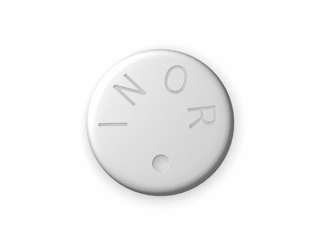
| Common Brand Names (Australia) | Postinor-1, Postinor-2, Levonelle, NorLevo |
| ATC Code | G03AD01 |
| Available Forms & Strengths | Tablet: 1.5 mg, Tablet (2-dose): 0.75 mg x 2 |
| Manufacturers | AlphaPharm, Bayer, others |
| Prescription Status | Over-the-counter (OTC) in all Australian states and territories |
Mechanism of Action
In simple terms: Levonorgestrel, the active ingredient in Plan B, is a type of progestogen hormone. After unprotected sex or contraceptive failure, it works mainly by preventing or delaying the release of an egg (ovulation) from the ovaries. If taken early enough, it can stop fertilisation from happening. Levonorgestrel does not work if a pregnancy has already begun, and it will not harm an existing pregnancy.
For specialists: Levonorgestrel suppresses the luteinising hormone (LH) surge responsible for ovulation. At pre-ovulatory phases, it inhibits or delays the follicular rupture. Its effects on tubal transport and endometrial receptivity are minor and not considered the principal mechanism. No evidence supports a post-implantation effect.
Pharmacokinetics
- Absorption: Rapid and nearly complete absorption after oral administration. Peak plasma concentrations appear 1–2 hours post-dose.
- Metabolism: Extensively metabolised in the liver, primarily via CYP3A4 isoenzyme.
- Elimination: Excreted in urine and faeces, mainly as metabolites; half-life approx. 20–30 hours.
- Duration of Action: Designed to suppress ovulation within 72 hours post-exposure, best efficacy when taken as soon as possible.
Use in Everyday Life & Best Practices
In Australia, Plan B (Levonorgestrel) is widely accessible from pharmacies without a prescription and is designed for one-off emergency use after unprotected intercourse, sexual assault, or contraceptive failure (e.g. missed pills, condom breakage).
- One tablet (1.5 mg) is the standard and most convenient form; or two 0.75 mg tablets taken 12 hours apart (less commonly used).
- Key point: Maximum efficacy is achieved if the medication is taken within 24 hours of unprotected sex, but it may be used up to 72 hours (3 days) after the event.
- In all English-speaking countries, including Australia, documenting the time of intercourse and the dose is recommended to reduce the risk of accidental repeat dosing.
- This medicine is not intended as a routine contraceptive—ongoing contraception should be considered for regular use.
Dosing in the Morning vs Evening
- No time-of-day preference: Take the dose as soon as possible after unprotected sex, regardless of morning or evening. Delay reduces effectiveness.
- If vomiting occurs within 2 hours: Take another tablet immediately.
- Tips: Set a reminder for 12-hour interval doses if using the two-dose regimen to ensure regularity.
- Timing in relation to meals or sleep does not affect efficacy.
Taking with Food or on an Empty Stomach
- Can be taken with or without food. Food does not significantly affect absorption or effectiveness.
- May reduce mild stomach upset (nausea) if taken after a light snack.
- Fits well with the traditional Australian diet—no special dietary restrictions apply.
- Stay hydrated and avoid large, greasy meals immediately before dosing if you are prone to nausea.
Interaction Warnings
| Type of Interaction | Examples & Notes |
| Medications (enzyme inducers) | Carbamazepine, phenytoin, rifampicin, St John’s Wort, efavirenz – may reduce Levonorgestrel's effectiveness |
| Other hormonal contraceptives | Can be started after Plan B without additional delay (except for ulipristal acetate, where a 5-day gap is required). |
| Alcohol | No known interaction. Responsible consumption is advised. |
| Food | No effect on absorption. |
| Antibiotics | No clinically significant interaction (exception: enzyme inducers listed above). |
Indications
| Indication | Notes |
| Emergency contraception (official) | After unprotected sexual intercourse or contraceptive failure |
| Off-label: Emergency contraception >72 hrs | Ineffective after 72 hrs; alternative methods (e.g., copper IUD) preferred |
Dosing According to Clinical Indications
| Patient Group | Recommended Dose | Maximum Dose | Additional Advice |
| Adults (all ages) | 1.5 mg single dose (preferred)
Or 0.75 mg x 2, 12 hrs apart | 1 course per event | Repeat if vomiting within 2 hrs |
| Adolescents (>12 years) | As for adults | As for adults | Safe and effective under professional guidance |
| Elderly (>50 years) | Not indicated | N/A | N/A |
| Pregnancy/Breastfeeding | Not effective if already pregnant; safe if breastfeeding (no interruption needed) | N/A | Consult with health professional if unsure |
Safety Profile & Side Effects
| Side Effect Type | Frequency | Notes |
| Nausea, vomiting | Common | If vomiting within 2 hrs, repeat dose |
| Headache, dizziness | Common | Self-limiting |
| Irregular bleeding | Common | May cause early or delayed period |
| Breast tenderness, abdominal pain | Uncommon | Usually mild, temporary |
| Allergic reaction (rash, swelling) | Rare | Seek urgent medical attention |
| Serious adverse events | Very rare | No increased long-term risks reported |
Guidelines for Proper Use (Australia Practice)
- Take Plan B as soon as possible after unprotected intercourse. Maximum efficacy is achieved within 24 hours.
- Read and follow the instructions on the pharmacy box, and ask your pharmacist or nurse for clarification if unsure.
- If you vomit within 2 hours, take another tablet as soon as possible.
- Your next period may be earlier, later, or more irregular than usual. If your period is more than 7 days late or unusually light, take a pregnancy test.
- Plan B does not protect against sexually transmitted infections. Use barrier protection (condoms) for STI risk reduction.
- If you require ongoing contraception, discuss options with your GP or sexual health clinic after using Plan B.
- Available confidentially at all Australian community pharmacies—no identification or prescription required.
Alternative Treatment Options
- Ulipristal Acetate (EllaOne): More effective between 72-120 hours post-exposure but requires a prescription in Australia. Not recommended if already using hormonal contraception due to reduced efficacy.
- Copper Intrauterine Device (IUD): Most effective emergency contraception (nearly 100% if inserted within 5 days); requires appointment with a doctor or sexual health clinic.
- Comparative Overview:
- Levonorgestrel: Rapid, OTC, affordable, minor side effects, best within 72 hours, can be used by most women.
- Ulipristal Acetate: Works up to 5 days but less compatible with regular hormonal contraception without delay.
- Copper IUD: Excellent for both EC and long-term contraception, but requires procedural insertion.
Legal, Registration, and Reimbursement Status in Australia
- Legal Status: Schedule 3 (Pharmacist only) medication—available without prescription but must be supplied by a registered pharmacist.
- Australian Registration Authority (TGA): Approved by the Therapeutic Goods Administration.
- Reimbursement: Not listed on the Pharmaceutical Benefits Scheme (PBS); paid privately. Typical out-of-pocket cost: $15–$30 per tablet.
- Privacy: Pharmacy staff are obliged to keep consultations confidential in accordance with Australian privacy laws.
Latest Research & Clinical Guidance (2022–2025)
- Royal Australian and New Zealand College of Obstetricians and Gynaecologists (RANZCOG): Recommends Levonorgestrel EC as safe, effective, and suitable for most Australian women without medical contraindications (RANZCOG, 2024 EC Guidelines).
- UK Faculty of Sexual & Reproductive Healthcare (FSRH), 2023: Confirms no serious adverse long-term effects and no harm to ongoing pregnancies if Plan B is taken inadvertently.
- BMI effect: Recent studies (JAMA, 2023) suggest possible reduced effectiveness in women with BMI >30; Copper IUD or Ulipristal may be considered for this population.
- Repeat use: No evidence that occasional multiple use poses a risk to fertility, but not intended as a regular contraceptive method.
Availability and Delivery in Australia
| Pack Size | Indicative Price (AUD) | Major City Delivery (Business Days) |
| 1 Tablet (1.5 mg) | $15–$30 | Sydney, Melbourne, Brisbane: 1; Perth, Adelaide: 2 |
| 2 Tablets (0.75 mg x 2) | $18–$35 | As above |
- Available for in-store purchase at all community pharmacies nationwide.
- Online ordering and discreet delivery offered by many leading Australian pharmacy chains.
- Delivery times: Most cities within 1–2 days; remote/rural delivery may take 2–4 days.
FAQ: Common Patient Questions
- How effective is Plan B (Levonorgestrel)?
Up to 95% effective if taken within 24 hours, but decreases to about 58% between 48–72 hours. The earlier you take it, the better. - Can I use Plan B more than once?
Yes, but it is not intended as your main contraceptive method. There’s no harm in occasional repeat use, but frequent reliance is less effective and can cause menstrual irregularities. - Will Plan B affect my future fertility?
No. There are no known long-term effects on fertility from taking emergency contraception. - Is Plan B safe while breastfeeding?
Yes. No interruption to breastfeeding is needed after using Levonorgestrel EC. - What if my period is late after taking Plan B?
Take a home pregnancy test if your period is more than 7 days late or significantly lighter/shorter than usual.
References
- RANZCOG. Emergency Contraception Guidelines. 2024.
- Therapeutic Goods Administration (TGA). Australian Public Assessment Report.
- JAMA. Efficacy of Emergency Contraception by Body Weight. 2023.
- UK Faculty of Sexual & Reproductive Healthcare (FSRH). Guidance on Emergency Contraception. 2023.