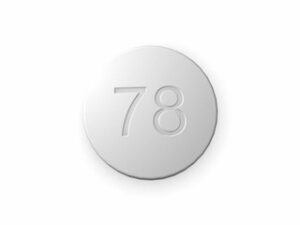
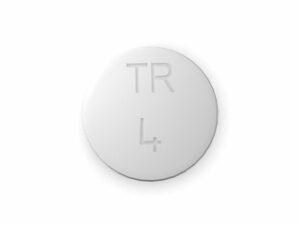
Desogestrel and Ethinyl Estradiol: Comprehensive Patient Guide (Australia)
Basic Product Information
| International Nonproprietary Name (INN) | Desogestrel and Ethinyl estradiol |
|---|---|
| Common Australia Brand Names | Marvelon®, Mercilon® (rare), Various generic products |
| ATC Code | G03AA09 |
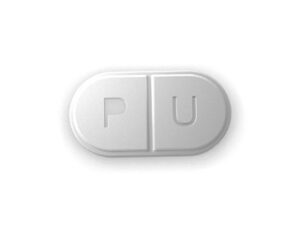
| Available Forms & Strengths | Tablets (Oral)
|
| Manufacturers (Australia) | Organon, Mylan, Generic manufacturers (check PBS website for latest list) |
| Prescription Status | Prescription Only Medicine (Schedule 4, S4) |
Mechanism of Action
- For patients: Desogestrel and Ethinyl estradiol tablets are a type of combined oral contraceptive pill (the "Pill"). They prevent pregnancy mainly by stopping ovulation (the release of an egg from the ovary). They also thicken the cervical mucus, making it harder for sperm to enter the womb, and alter the womb lining to prevent a fertilised egg implanting.
- For specialists: Desogestrel (a third-generation progestogen) and Ethinyl estradiol (a synthetic oestrogen) suppress gonadotropins (FSH & LH), inhibit ovulation, and induce endometrial changes that are unreceptive to implantation. Cervical mucus viscosity is increased, hampering sperm penetration.
Pharmacokinetics
- Absorption: Both components are rapidly and almost completely absorbed after oral administration.
- Metabolism: Desogestrel is rapidly converted to its active metabolite etonogestrel. Both drugs undergo hepatic metabolism, primarily via CYP3A4 enzymes.
- Elimination: Excreted in urine and faeces. Ethinyl estradiol half-life: ~24 hours. Etonogestrel half-life: ~30 hours.
- Duration of Action: Steady-state concentrations are reached after 3–5 days of regular dosing. Lasting contraceptive effect requires daily use.
Use in Everyday Life & Best Practices
- Take one tablet at the same time every day, following the order marked on the pack. Usual pack: 21 active tablets, followed by 7 days off (“pill-free week”), or 28 tablet packs with 21 active + 7 placebo pills.
- Start on the first day of periods ("day 1 start"), or as advised by your GP/pharmacist.
- If starting at any other time, use additional contraception (like condoms) for the first 7 days.
- Missed dose: take as soon as remembered; if more than 12 hours late, follow the instructions in the consumer medicine leaflet or consult your pharmacist.
In Australia, repeat prescriptions are available after a check-up with your doctor, per TGA guidance. Pharmacy staff can provide reminders/repeat dispensing services.
Dosing in the Morning vs Evening
Morning: Some people prefer to take the pill with breakfast to establish a routine. This helps to maintain consistent levels and is less likely to be forgotten during a busy day.
Evening: Others take it before bed, especially if they experience nausea. May be easier to remember if linked to bedtime routines.
- Consistency is more important than the specific time – take at the time most convenient for you.
- Setting a daily alarm or phone reminder can help keep you on track.
- Irregular dosing may reduce effectiveness and increase risk of pregnancy.
Taking with Food or on an Empty Stomach
- The effect of food on absorption is negligible; tablets can be taken with or without food.
- If nausea occurs, try taking the tablet with or just after a meal.
- There are no significant interactions with typical English/Australian diets.
- Avoid grapefruit juice – can increase levels of ethinyl estradiol by altering metabolism.
Interaction Warnings
| Substance/Drug | Effect | Advice |
|---|---|---|
| Some antibiotics (e.g., rifampicin, rifabutin) | May reduce effectiveness | Use additional contraception (consult doctor/pharmacist) |
| Antiepileptics (carbamazepine, phenytoin, barbiturates) | May decrease levels of contraceptive hormones | Speak to specialist — alternative contraception may be advised |
| St John’s Wort (herbal remedy) | Reduces effectiveness by increasing hormone breakdown | Avoid; discuss herbal medicines with your pharmacist |
| Antivirals for HIV/hepatitis C | Can alter effectiveness of either medicine | Check with your treating team |
| Alcohol | No direct effect, but excess alcohol may cause vomiting and a missed dose | Take at a time less likely to coincide with drinking alcohol |
| Food | No significant interactions | Take with or without food |
| Other oral contraceptives | Double dosing may increase side effects | Use only one oral contraceptive at a time |
Indications
| Indication | Status |
|---|---|
| Contraception (prevention of pregnancy) | Approved (PBS listed) |
| Cyclic regulation of menstrual cycle (dysmenorrhoea, menorrhagia) | Off-label—eligible at doctor’s discretion |
| Polycystic ovary syndrome (PCOS, symptom control e.g., acne) | Off-label |
| Endometriosis (painful periods) | Off-label/supportive; specialist advice required |
Dosing According to Clinical Indications
| Patient Group | Usual Dose | Comments |
|---|---|---|
| Adult Women (contraception) | One tablet daily | 21 days active, 7 days break or placebo (repeat cycle) |
| Adolescents & Young Adults | One tablet daily | Not approved before menarche; same regimen as adults |
| Elderly (postmenopausal) | Not indicated | Contraindicated in postmenopausal women |
Safety Profile / Side Effects
- Very common/common (affecting up to 1 in 10):
- Breast tenderness or enlargement
- Headache
- Nausea, stomach upset
- Spotting or unscheduled bleeding
- Weight change
- Mood changes, low libido
- Uncommon/rare (affecting up to 1 in 1,000):
- Severe allergic reactions (swelling, rash, itching)
- Venous thromboembolism (deep vein thrombosis, pulmonary embolism)
- Severe hypertension
- Impaired liver function/jaundice
- Gallbladder problems
- Vision changes
- Warnings:
- Do not use if you have a history of blood clots, stroke, or breast cancer.
- Consult your doctor promptly if you experience unusual leg pain, chest pain, shortness of breath, severe headache, or visual disturbances.
- Smoking increases the risk of cardiovascular complications – ideally, avoid smoking while taking the pill.
Guidelines for Proper Use in Australia
- Consult with your GP before starting, and attend regular reviews (usually annually).
- Store tablets below 25°C, out of direct sunlight and moisture (Australian climate tip: avoid bathrooms – keep in bedroom cabinet).
- Never share your medicine.
- If you miss a tablet, refer to the instructions provided in your pack or ask your pharmacist — rules differ depending how many and when tablets are missed.
- Inform any healthcare provider (GP, dentist, hospital) you are using the Pill, especially before major surgeries or new prescriptions.
- Get a new prescription before running out and ensure you have enough supply for holidays or travel.
- Disposal: Return unwanted or expired medicines to your pharmacy for safe disposal through the National Return & Disposal of Unwanted Medicines program.
Most pharmacies offer “MedAdvisor” or other reminder services and may help arrange scripts by mail to remote regions.
Alternative Treatment Options (PBS reimbursed, brief comparative overviews)
- Combined oral contraceptives (other active ingredients):
- Levonorgestrel/ethinyl estradiol (e.g., Microgynon®, Levlen®)
- Norgestimate/ethinyl estradiol (e.g., Cilest®, generic)
- Drospirenone/ethinyl estradiol (e.g., Yaz®, Yasmin®; may have lower risk of acne/water retention)
- Progestogen-only Pills (POPs):
- Desogestrel POP (Cerazette®; useful for women who cannot take oestrogen)
- Long-acting reversible contraception:
- IUDs (Mirena®, Kyleena®, copper IUD)
- Contraceptive implant (Implanon NXT®)
- Contraceptive injection (Depo-Provera®)
Comparative pros/cons: Oral pills (like desogestrel/ethinyl estradiol) are completely reversible but require strict daily adherence. Implants, IUDs, or injections are more “set and forget”—suitable for those preferring longer-term options or prone to forgetting tablets.
Legal, Registration, and Reimbursement Status in Australia
- Registered in Australia by the Therapeutic Goods Administration (TGA) under product code G03AA09.
- Prescription-only (Schedule 4) — requires a valid script from a licensed medical prescriber.
- PBS (Pharmaceutical Benefits Scheme) reimbursed for contraception.
- Consult your GP or local family planning clinic to confirm eligibility for PBS price or concessional rate.
- Not available over the counter.
Latest Research and Clinical Guidance (2022–2025)
- Recent Australian Family Physician reviews (RACGP, 2023) confirm third-generation pills (like desogestrel/ethinylestradiol) are highly effective with correct daily use, and suitable for most healthy, non-smoking women up to age 50 without contraindications.
- The Australian Therapeutic Guidelines (2024) and Family Planning Australia recommend annual review of cardiovascular risk, blood pressure, and lifestyles while on the Pill.
- Latest British (FSRH, 2024) and international guidance indicates no extra COVID-19 risks, and vaccination or mild acute illnesses do not require stopping the pill (except if immobilised by severe illness — consult your GP).
- Australian Family Physician (2023): Combined oral contraceptives – an update.
Availability and Delivery
- Typical pack: 3 calendar packs of 21 or 28 tablets.
- Indicative price (PBS, 2024): Around $8–$30 per 3-month supply (check PBS/repeats on your prescription).
- Pharmacy delivery: Most urban and regional pharmacies offer next-day delivery; Australia Post options for remote/remote Indigenous communities.
| Location | Typical Delivery Time |
|---|---|
| Sydney, Melbourne, Brisbane, Perth | Same day / next business day (urban pharmacy courier) |
| Hobart, Darwin, Adelaide, Canberra | 1–3 business days |
| Remote/regional communities | 3–7 business days; specialist rural pharmacy support available |
Frequently Asked Questions (FAQ)
- Can I skip the inactive (placebo) pills to miss a period?
Yes, if using a 28-day pack, you may skip the placebo pills and start the next pack immediately (“continuous use”) to delay or skip your period. This is safe for most women — check with your GP if new to this method. - What if I vomit or have diarrhoea after taking the pill?
If you vomit within 2 hours of taking your tablet, take another dose as soon as possible. Ongoing vomiting/diarrhoea for more than 24 hours may reduce effectiveness — use extra contraception and consult your healthcare provider. - Can I use this medicine while breastfeeding?
Combined oral contraceptives are not recommended in the first 6 weeks after childbirth. After this time, they can be used if not fully breastfeeding (less risk of reducing milk supply). Progestogen-only pills are preferred for exclusive breastfeeding. - Will taking this pill affect my weight or fertility long-term?
Most women experience either no change or a slight, temporary weight increase. The effect on fertility is reversible — ovulation returns quickly once you stop. - Are there “free” options?
If you hold a Health Care Card or Concession Card, you may be eligible for further subsidised cost under the PBS — ask your pharmacist.
Disclaimer: This information is for educational purposes and does not replace medical advice. Always consult your doctor, family planning nurse, or pharmacist before starting or changing contraception. For individualised advice or queries, speak to your local Australia pharmacy professional or your GP.