

Anastrozole: Patient Information for Australia
Basic Product Information
| International Non-proprietary Name (INN) | Anastrozole |
|---|---|
| Common Australia Brand Names | Arimidex, Anastrozole Sandoz, Anastrozole APOTEX, Anastrozole Accord |
| ATC Code | L02BG03 |
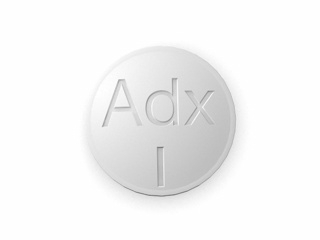
| Available Forms & Strengths | Film-coated tablet: 1 mg |
| Manufacturers | AstraZeneca, Sandoz, APO Pharmaceuticals, Accord Healthcare, and others |
| Prescription Status | Prescription Only (Schedule 4, S4) |
Mechanism of Action
For Patients: Anastrozole belongs to a group of medicines known as aromatase inhibitors. It works by lowering the amount of a hormone called oestrogen in the body. Many breast cancers in postmenopausal women use oestrogen to grow. By reducing oestrogen levels, anastrozole helps slow or stop the growth of these cancers.
For Specialists: Anastrozole competitively and selectively inhibits aromatase, converting androgens to estrogens in peripheral tissues. This results in a profound suppression of plasma oestrogen levels, which is indicated for hormone receptor-positive early and advanced breast cancer in postmenopausal women.
Pharmacokinetics
- Absorption: Rapidly absorbed after oral administration, with peak plasma concentrations reached within 2 hours (on an empty stomach).
- Metabolism: Extensively metabolised in the liver via N-dealkylation, hydroxylation, and glucuronidation pathways.
- Elimination: Excreted mainly via urine as metabolites; less than 10% excreted unchanged.
- Half-life: Approximately 40-50 hours, allowing once-daily dosing.
- Steady state: Achieved after 7 days of daily administration.
Use in Everyday Life and Best Practices
Typical Dose: The usual adult dose is 1 mg taken once daily by mouth. Tablets should be swallowed whole with a glass of water.
How to Use:
- Take your medicine exactly as your doctor prescribes.
- Try to take it at the same time each day to maintain an even level in your body.
- Do not stop taking Anastrozole without your doctor’s advice, even if you feel well.
Dosing in the Morning vs Evening
- Morning: Taking anastrozole in the morning may help avoid forgetting your dose, especially if you have a regular morning routine.
- Evening: If you experience mild nausea, taking it in the evening with food may help offset this side effect.
- Tip: Consistency matters more than timing. Choose a time that fits your daily schedule and stick to it.
- Use alarms, medication boxes, or reminders to help with regularity.
Taking With Food or On an Empty Stomach
- Anastrozole can be taken with or without food; food does not significantly affect absorption.
- Taking with a light meal may be preferable if you experience an upset stomach.
- There are no special dietary restrictions; you can continue typical Australian dietary habits (e.g. cereal, toast, fruit, or tea at breakfast).
Interaction Warnings
| Interaction Type | Details |
|---|---|
| Food | No clinically significant food interactions. |
| Alcohol | Moderate alcohol consumption is not known to interact with anastrozole, but excessive drinking should be avoided due to potential impact on the liver. |
| Medicines |
|
| Herbal Supplements | Avoid St. John’s Wort, which may reduce effectiveness of anastrozole. |
Indications
| Indication | Status |
|---|---|
| Early breast cancer (hormone-receptor positive, postmenopausal women) | Approved |
| Locally advanced or metastatic breast cancer (postmenopausal women) | Approved |
| Neoadjuvant treatment (to shrink the tumour before surgery) | Off-label/Supported by guidelines |
| Male breast cancer | Occasionally used off-label |
| Endometriosis, infertility (in select cases) | Off-label/not routinely recommended |
| Prophylactic cancer risk reduction | Investigational/off-label |
Dosing According to Clinical Indications
| Population | Indication | Dose | Notes |
|---|---|---|---|
| Adult, postmenopausal women | Early or advanced breast cancer | 1 mg once daily | No dose adjustments required for age or mild renal impairment |
| Elderly | As above | 1 mg once daily | Tolerated as well as in younger adults |
| Pediatric | Not recommended | – | Safety and efficacy not established in children |
| Hepatic/Renal impairment | As above | 1 mg once daily | Use with caution in moderate to severe hepatic impairment |
Safety Profile & Side Effects
| Frequency | Side Effect | Advice |
|---|---|---|
| Common (≥1/10) | Hot flushes, fatigue, joint pain/stiffness, weakness, nausea, headache | Discuss management options with your doctor or pharmacist |
| Uncommon or Rare (<1/100) | Thinning hair, vaginal dryness, skin rash, loss of appetite, mood changes | Seek advice if symptoms are troublesome |
| Serious (rare) | Allergic reactions (difficulty breathing, swelling), severe skin reactions, bone fractures, liver changes | Stop taking the medicine and get emergency help |
| Long-term risk | Reduced bone density, increased cholesterol | Discuss monitoring with your care team; may need bone density tests or cholesterol checks |
Guidelines for Proper Use
- Store below 25°C in a cool, dry place out of reach of children.
- Keep in the original packaging until used.
- Do not share your medication with others.
- Report any side effects or concerns to your doctor or pharmacist promptly.
- Attend all follow-up appointments for laboratory or bone density tests.
- Healthy lifestyle (balanced diet, regular exercise, avoiding smoking/excess alcohol) helps reduce side effect risks.
- If you miss a dose, take it soon as you remember—if nearly time for the next dose, skip the missed dose and resume as normal. Do not double up.
- Discuss use of supplements (e.g., calcium, Vitamin D) with your care team if you are at risk of osteoporosis.
Alternative Treatment Options (Australia)
- Letrozole (Femara): Also an aromatase inhibitor; similar effectiveness and side effect profile.
- Exemestane (Aromasin): Steroidal aromatase inhibitor; used for patients intolerant to non-steroidal options.
- Tamoxifen: Selective oestrogen receptor modulator; used in pre- and postmenopausal women.
- All are available by prescription on the Pharmaceutical Benefits Scheme (PBS) for approved indications, making them affordable through community pharmacies.
- Pros & Cons: Each option differs in side effect profile and suitability depending on menopausal status, risk of osteoporosis, prior therapy, and tolerability.
Legal, Registration, and Reimbursement Status in Australia
- Regulation: Registered with the Therapeutic Goods Administration (TGA) as a Schedule 4 (prescription-only) medicine.
- Funding: Listed on the PBS for use in breast cancer, reducing patient cost for eligible indications.
- Prescribing: Must be prescribed by a GP, oncologist, or medical specialist.
- Availability: Widely available at major and local Australian pharmacies.
- Reimbursement: PBS reimbursement available for most indications; check with your pharmacist for up-to-date eligibility.
Latest Research & Clinical Guidance (2022–2025)
- Australian Guidelines: Cancer Australia and eviQ guidelines recommend anastrozole as a gold standard for adjuvant and advanced hormone-receptor positive breast cancer in postmenopausal women.
- Recent Studies: Ongoing data (e.g. ATAC trial long-term follow-up) confirm equivalent or superior effectiveness to tamoxifen with a slightly different side effect profile, particularly regarding bone health (Lancet Oncol. 2022;23(7):889-899).
- Emerging Uses: Trials are evaluating anastrozole for chemoprevention in high-risk populations and rare cancers such as male breast cancer (J Clin Oncol. 2023;41(4):812-819).
- Bone Health: Current recommendations urge baseline and periodic bone mineral density testing during long-term use.
- Australian clinical practice is aligned with 2024 ESMO and ASCO guidelines.
Availability and Delivery
| Pack Size | Approximate PBS Price (patient co-payment) | In-stock Status | Estimated Delivery (business days) |
|---|---|---|---|
| 30 tablets (1 month) | $30 (concessional $7.30; prices as at June 2024) | Available |
|
| 90 tablets (3 months) | $90 (concessional $21.90) | Available (may require order) | 2-5 days nationwide |
Frequently Asked Questions (FAQ)
- Q: Can I take anastrozole with other cancer medicines?
A: It depends – your doctor will decide if other medicines can be taken together. Do not take anastrozole with tamoxifen or any oestrogen-based therapies. Always inform your team about all cancer and non-cancer medications you are prescribed. - Q: What if I miss a dose?
A: Take the missed dose as soon as you remember, unless it’s nearly time for your next dose. In that case, skip the dose and take your next one as usual. Do not double up to make up for a missed tablet. - Q: Can I drink alcohol while taking anastrozole?
A: Moderate alcohol use is not known to cause major problems with anastrozole, but excessive drinking is not recommended. Alcohol can affect liver health and general wellbeing during cancer therapy. - Q: Will anastrozole affect my bones?
A: Long-term use may reduce bone density, increasing the risk of osteoporosis or fractures, especially in postmenopausal women. Your doctor may recommend bone density scans and, if needed, supplements like calcium and Vitamin D. - Q: What should I do if I get side effects?
A: Talk to your doctor or pharmacist about any side effects. Many can be managed with changes to your lifestyle or additional medicines. Seek immediate help for severe allergic reactions or persistent side effects.
For further advice, always consult your doctor or pharmacist. If you have any questions about your script, availability, or cost, please contact our pharmacy team for confidential guidance tailored to your needs.