
Premarin (Conjugated Estrogens) – Patient-Friendly Information for Australia
Basic Product Information
| International Non-proprietary Name (INN) | Conjugated Estrogens |
|---|---|
| Brand Names in Australia | Premarin, Premarin Vaginal Cream |
| ATC Code | G03CA57 |
| Available Forms and Strengths |
|
| Manufacturer | Pfizer Australia Pty Ltd |
| Prescription Status | Prescription Only (Schedule 4 - S4 drug) |
Mechanism of Action
For Patients: Premarin contains natural hormones known as estrogens, which help to replace the estrogen your body is no longer making after menopause. This can relieve symptoms like hot flushes, night sweats, and vaginal discomfort.
For Health Professionals: Conjugated estrogens are a mixture of water-soluble estrogenic substances, mainly sodium estrone sulfate and sodium equilin sulfate. They act primarily by binding to estrogen receptors (ERα, ERβ) to regulate gene transcription and modulate the development and maintenance of the female reproductive system and secondary sexual characteristics.
Pharmacokinetics
- Absorption: Rapidly absorbed from the gastrointestinal tract after oral administration; peak plasma levels achieved about 6–12 hours post-dose. Vaginal absorption is also efficient, leading to both local and systemic effects.
- Metabolism: Extensively metabolised in the liver via sulfatase, glucuronidation, and CYP pathways.
- Elimination: Mostly via urine as inactive metabolites. The elimination half-life varies depending on the estrogen component but is generally 8–16 hours for major conjugates.
- Duration of Action: Symptoms may begin to improve in days to weeks after starting therapy, with steady-state reached after 2–3 weeks.
Use in Everyday Life and Best Practices
- Typical Dose:
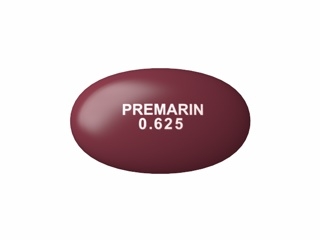
- Menopausal symptoms: Usually 0.625 mg once daily; sometimes adjusted between 0.3 mg and 1.25 mg depending on response and doctor’s advice.
- Atrophic vaginitis/vulvar atrophy: Premarin Vaginal Cream is usually applied locally into the vagina as prescribed (e.g., 0.5–2 g daily or less often as maintenance).
- How to Use: Take oral tablets by mouth with a glass of water at the same time each day. Cream is applied intravaginally using the applicator provided.
- English Context: In Australia, estrogens such as Premarin are commonly used for menopausal symptom control, but only after careful risk/benefit assessment and usually at the lowest effective dose for the shortest time needed.
Dosing: Morning vs Evening
- Morning: Taking Premarin with breakfast helps establish a routine. Some patients report fewer sleep disturbances this way.
- Evening: May suit women who experience side effects like nausea—taking it with the evening meal can reduce discomfort.
- Tip: The most important factor is consistency—take your medication at the same time every day to avoid missed doses.
Taking with Food or on an Empty Stomach
- Premarin tablets can be taken with or without food.
- Taking with food may help reduce stomach upset, a common initial side effect.
- Meals typical to the Australian diet (high in fibre, moderate fat content) do not significantly alter absorption.
- Alcohol intake should be kept within recommended national guidelines, as excessive drinking may increase certain risks of hormone therapy.
Interaction Warnings
| Interaction | Implication |
|---|---|
| Warfarin & oral anticoagulants | Estrogens may decrease anticoagulant efficacy; INR monitoring recommended. |
| Anti-epileptic drugs (phenytoin, carbamazepine) | May decrease estrogen levels and effectiveness. |
| Rifampicin and antibiotics that induce CYP enzymes | Can lower estrogen blood levels. |
| St John’s Wort | May reduce effectiveness of Premarin through enzyme induction. |
| Grapefruit Juice | Minimal effect, but excessive amounts may slightly increase estrogen levels. |
| Alcohol | Heavy drinking may increase estrogen-induced clotting risk. |
| Corticosteroids | Estrogens may inhibit metabolism and increase steroid effects. |
Indications
| Indication | Status in Australia |
|---|---|
| Moderate to severe menopausal symptoms (vasomotor symptoms, vaginal atrophy) | Approved |
| Prevention of post-menopausal osteoporosis (second-line) | Approved (if other therapies are unsuitable) |
| Hypoestrogenism due to hypogonadism or ovarian failure | Approved |
| Palliative treatment of some hormone-responsive cancers (prostate/breast) | Off label (Specialist supervision) |
Dosing by Clinical Indication
| Indication | Typical Adult Dose | Paediatric Dose | Elderly Dose |
|---|---|---|---|
| Vasomotor symptoms (oral) | 0.625 mg daily, adjust 0.3–1.25 mg | Not recommended | Start at 0.3 mg daily |
| Vaginal/vulvar atrophy (cream) | 0.5–2 g daily, then maintenance 1–3 times per week | Paediatric use not recommended | As above, adjust to tolerance |
| Prevention of osteoporosis | 0.625 mg daily | Not indicated | Start low, regular review |
| Hypoestrogenism | 0.3–1.25 mg daily in cycling programs | Specialist only—Individualised | Careful monitoring |
Safety Profile and Side Effects
Like all prescription medicines, Premarin can cause side effects. Not everyone will experience these; many are manageable and lessen after a few weeks.
| Common Side Effects | Rare/Serious Side Effects |
|---|---|
|
|
Warning: Do not use if you have a known or suspected history of breast cancer (unless advised by specialist), undiagnosed vaginal bleeding, or history of blood clots or stroke.
Guidelines for Proper Use
- Take at the same time daily for best results.
- If you miss a dose, take it as soon as you remember—but never double up the next dose.
- Regularly review with your doctor or nurse, usually every 6–12 months.
- Mammograms, pelvic exams, and blood pressure checks are recommended while on Hormone Replacement Therapy (HRT).
- Report any unusual bleeding, pain, or swelling in your legs or chest to your doctor promptly.
- If using the vaginal cream, follow the application instructions and hygiene advice in your patient leaflet.
- Always check with your pharmacist before using any new over-the-counter or complementary medicines.
Alternative Treatment Options
- Estradiol patches/tablets (e.g., Estradot, Estrofem): Lower risk of some side effects, especially blood clots; considered for women at risk or who prefer patches or gels.
- Tibolone (Livial): Combined estrogenic, progestogenic and androgenic activity; suitable for some women but not for those with history of breast cancer.
- Vaginal estriol creams/tablets: Good for local symptoms with very low risk of systemic effects.
- Non-hormonal options: SSRI/SNRI antidepressants, gabapentin, lifestyle changes: For those who cannot or prefer not to use hormones.
All alternative therapies are generally available on the Pharmaceutical Benefits Scheme (PBS) when certain criteria are met. Discuss options and preferences with your doctor.
Legal, Registration, and Reimbursement Status in Australia
- Registered with the Therapeutic Goods Administration (TGA).
- Listed on the PBS for moderate to severe menopausal symptoms when other interventions are unsuitable.
- Prescription required—dispensing restricted to registered medical practitioners and community pharmacies.
- Not reimbursed for mild symptoms or prevention of osteoporosis as first-line therapy; requires doctor assessment.
Latest Research and Clinical Guidance (2022–2025)
- International Menopause Society (2022): Supports HRT as the most effective option for menopausal vasomotor symptoms, but only after discussing risks and benefits.
- Australasian Menopause Society (2023): Oral estrogens like Premarin should be used at the lowest dose for the shortest effective period. Transdermal or local vaginal estrogens are preferred for women at higher risk of thrombosis.
- British Menopause Society (2024): HRT (including conjugated estrogens) is safe for most women under 60 but is not recommended for the sole purpose of chronic disease prevention.
- See guidelines at: Australasian Menopause Society
Availability and Delivery
| Form | Pack Size | Indicative PBS Price† | Estimated Delivery (Sydney, Melbourne, Brisbane, Perth) |
|---|---|---|---|
| Tablet 0.625mg | 28 tablets | $29.09 (PBS co-payment) / $25–$35 private† | 1–2 business days (Metro); 2–5 days (Regional) |
| Vaginal Cream 42.5g | ~42 doses | $32.59 (PBS co-payment) / $35–$45 private† | 1–2 business days (Metro); 2–5 days (Regional) |
†Prices as of 2024 and may vary by pharmacy/pharmacy chain. Contact your local pharmacy for current pricing.
Frequently Asked Questions (FAQ)
- 1. Is Premarin safe to use long-term?
- Premarin is effective for menopausal symptoms. It is safest when used at the lowest dose for the shortest duration that controls your symptoms. Most women use HRT for 2–5 years, with annual reviews.
- 2. Can Premarin cause weight gain?
- Mild weight changes are possible, but many women do not experience significant weight gain. Staying active and following Australian dietary guidelines can help maintain a healthy weight.
- 3. What should I do if I miss a dose?
- Take the missed dose as soon as you remember. If it’s nearly time for your next dose, skip the missed one—never double up.
- 4. Are blood tests or check-ups needed while taking Premarin?
- Yes. Your doctor will usually review your HRT every 6–12 months and may recommend mammograms, pelvic exams, and sometimes blood tests.
- 5. Can I take over-the-counter or herbal medicines with Premarin?
- Always speak with your pharmacist before starting any new medicine, including herbal supplements, as some can interact and affect the safety or effectiveness of Premarin.