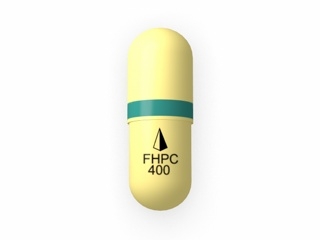


Ponstel (Mefenamic Acid) – Patient Information for Australia
Basic Product Information
| International Non-proprietary Name (INN) | Mefenamic Acid |
| Australia Brand Names | Ponstel® (most common), Mefic®, others |
| ATC Code | M01AG01 |
| Available Forms and Strengths | Capsules: 250 mg; Tablets: 250 mg (occasionally 500 mg overseas); Oral suspension (not routinely available in AU) |
| Manufacturers (Australia) | Various generic manufacturers; Pfizer Australia Pty Ltd (Ponstel®) |
| Prescription Status | Prescription Only Medicine (Schedule 4, S4) |
Mechanism of Action
For patients: Ponstel, with the active ingredient mefenamic acid, is a type of non-steroidal anti-inflammatory drug (NSAID). It helps relieve pain, inflammation, and fever by reducing the levels of certain chemicals (prostaglandins) in your body that cause swelling and pain.
For specialists: Mefenamic acid is a fenamate NSAID that non-selectively inhibits cyclooxygenase (COX-1 and COX-2) enzymes, leading to reduced biosynthesis of prostaglandins involved in inflammation, pain transmission, and fever response.
Pharmacokinetics
- Absorption: Well absorbed from the gastrointestinal tract; peak plasma levels reached within 2–4 hours after oral administration.
- Metabolism: Extensively metabolised in the liver, primarily via demethylation and subsequent glucuronidation.
- Elimination: Mainly via urine (metabolites); small amount in faeces. The elimination half-life is approximately 2–4 hours.
- Duration of action: Typically 6–8 hours for effective symptom relief.
Use in Everyday Life and Best Practices
Ponstel is most often used to treat mild-to-moderate pain, especially menstrual pain (period pain), muscle aches, toothache, and some forms of arthritis and musculoskeletal inflammation.
- Typical adult dose: 500 mg initially, then 250 mg every 6 hours as needed, up to 3 days.
- Pediatric use: Only for children 14 years and older (see Dosing table).
- How to use: Take as prescribed with a glass of water. Do not exceed the recommended dose.
- Duration: Use for the shortest duration necessary. Chronic use is not recommended unless advised by a doctor.
- Storage: Keep at room temperature, away from moisture and heat, and out of reach of children.
Dosing in the Morning vs Evening
Mefenamic acid can be taken at any time of day. For regular pain, spacing doses evenly (every 6-8 hours) maintains steady pain control. Taking it with or after meals, regardless of time, may reduce the risk of stomach upset, which is important for those with sensitive stomachs. If using for period pain, start at onset of symptoms.
- Morning use: May help with daytime pain and prevent worsening symptoms through the day. Avoid if you find it causes drowsiness (not common).
- Evening use: Suitable for pain that is worse at night; do not exceed prescribed total daily dose.
- Tip: Try to take at the same time(s) each day for best results.
Taking With Food or on an Empty Stomach
Taking Ponstel with or just after food, or a glass of milk, can help reduce stomach irritation, which is a common side effect of NSAIDs. Australia dietary habits—such as eating regular meals and sufficient hydration—support taking medicine after food. Avoiding excessive fatty foods and alcohol with your doses further helps minimise stomach discomfort.
Interaction Warnings
Always inform your doctor or pharmacist about all medicines and supplements you are taking.
| Interaction | Advice |
|---|---|
| Other NSAIDs/Aspirin | Increases risk of stomach ulcers and bleeding. Avoid taking concurrently. |
| Warfarin and anticoagulants | May increase risk of bleeding. Close monitoring or alternative therapy advised. |
| SSRIs and some antidepressants | May raise bleeding risk. Seek advice. |
| Antihypertensives (ACE inhibitors, ARBs, diuretics) | NSAIDs can reduce their effect; monitor blood pressure. |
| Alcohol | May worsen stomach irritation and bleeding risk. Limit intake. |
| Food | No major food interactions; meals can reduce GI side effects. |
| Supplements (Fish oil, Vitamin E, Ginkgo) | May increase bleeding risk; use caution. |
Indications
| Indication | Official (TGA-approved) | Off-label/Other |
|---|---|---|
| Primary dysmenorrhoea (period pain) | ✔ | |
| Mild-to-moderate pain (muscle, joint, dental pain) | ✔ | |
| Rheumatoid arthritis/Osteoarthritis | ✔ | |
| Heavy menstrual bleeding (menorrhagia) | ✔ | |
| Migraine headache (acute) | ✔ (not first-line) | |
| Other pain conditions | Discretionary, specialist advice |
Dosing According to Clinical Indication
| Indication | Age Group | Usual Dose | Max Duration |
|---|---|---|---|
| Primary dysmenorrhoea | Adults, Adolescents ≥14 | 500 mg initial, then 250 mg every 6 hours | Up to 3 days per cycle |
| Mild-to-moderate pain | Adults | 500 mg initial, then 250 mg every 6 hours as needed | 5–7 days |
| Osteoarthritis/Rheumatoid arthritis | Adults/Elderly | 250 mg every 6–8 hours | Review after 7–14 days |
| Menorrhagia (off-label) | Adults | 250 mg 3 times daily at start of bleeding | Up to 5 days |
| Pediatric | Children 14+ | Same as adults (weight-dependent, consult doctor) | As above |
| Elderly | 70+ years | Use lowest possible effective dose | Monitor closely |
Safety Profile and Side Effects
As with all medicines, Ponstel may cause side effects. Most are mild and go away on their own.
| Side Effect Category | Examples | Frequency/Notes |
|---|---|---|
| Common | Indigestion, stomach pain, diarrhoea, nausea, headache | 5–10% |
| Uncommon | Dizziness, skin rash, fluid retention | 1–2% |
| Rare | Allergic reaction, jaundice, severe skin blistering, kidney problems | <1% |
| Warnings | Increased bleeding, stomach ulcer, exacerbation of asthma | Take urgently to doctor if experienced |
Serious side effects (rare): Signs of allergic reaction (swelling/face/eyes/lips), severe skin rash, black stools, vomiting blood—stop the medicine and seek urgent medical help.
Not recommended in patients with active stomach/duodenal ulcers, severe kidney/liver disease, or history of NSAID allergy.
Guidelines for Proper Use in Australia
- Take only as prescribed by your GP or pharmacy team; do not share your medicine.
- Inform your healthcare provider if you have history of asthma, bleeding disorders, stomach problems, or are pregnant/planning pregnancy or breastfeeding.
- Monitor for signs of stomach bleeding (black stools, abdominal pain).
- Do not combine with other NSAIDs unless instructed.
- Let your doctor know about all medicines, vitamins, and herbal supplements you use.
- Report any side effects through the Therapeutic Goods Administration (TGA) online portal.
Alternative Treatment Options
| Name | Class | Pros & Cons | PBS-Listed |
|---|---|---|---|
| Ibuprofen | NSAID | Effective for mild-moderate pain; milder on stomach; shorter duration | Yes |
| Naproxen | NSAID | Good for period pain and arthritis; longer acting | Yes |
| Paracetamol | Analgesic | Gentle on stomach; less effective for inflammation | Yes |
| Diclofenac | NSAID | Potent for musculoskeletal pain; higher GI risk with chronic use | Yes |
| Non-drug therapies | Physical/Alternative | Heat packs, physiotherapy, rest | N/A |
Speak with your doctor or pharmacist about the most suitable option for your pain or inflammation, based on your health profile and current guidelines.
Legal, Registration, and Reimbursement Status in Australia
- Ponstel (mefenamic acid) is approved by the Therapeutic Goods Administration (TGA) for use in Australia.
- It is a Schedule 4 (S4) Prescription Only Medicine—available only via prescription from a GP or specialist.
- Some formulations are listed on the Pharmaceutical Benefits Scheme (PBS) for certain indications such as menstrual pain and arthritis. Confirm current status with your pharmacy or PBS website: PBS Online.
- Registration under Australian Register of Therapeutic Goods (ARTG) ensures strict quality and safety standards.
- It is not a controlled drug/lawful for general medicinal use with valid prescription; off-label uses are at doctor’s discretion.
Latest Research and Clinical Practice (2022–2025)
- Latest TGA and clinical guidelines recommend using mefenamic acid for acute pain and moderate period pain, not for long term or daily chronic use due to cardiovascular and GI risk (RACGP 2023 NSAID guidelines).
- Recent studies (Brazier et al., 2023) confirm the comparability of mefenamic acid and naproxen for period pain control in Australian women, with no significant differences in side effect profiles for short term use.
- Long-term use requires monitoring renal and cardiovascular function, particularly in those over 65 years or with comorbidities.
- Alternative therapies, such as ibuprofen or paracetamol, may be as effective for mild pain, but mefenamic acid remains preferred for some types of dysmenorrhoea.
Availability and Delivery
| Pack Size | Capsules/Tablets per pack | Indicative PBS (Subsidised) Price* |
|---|---|---|
| Small | 20–30 | AUD $6.00–8.00 (General); AUD $41.00 (Private) |
| Medium | 50–60 | AUD $11.00–14.00 (General); AUD $60.00 (Private) |
- *Prices are indicative for 2024—actual prices may vary by pharmacy and status (concessional, general, private).
| City | Est. In-store Pickup | Standard Home Delivery |
|---|---|---|
| Sydney | Same day | 1–2 days |
| Melbourne | Same day | 1–2 days |
| Brisbane | Same day | 2 days |
| Perth | Within 1 day | 2–3 days |
| Adelaide | Same day | 2 days |
Note: Delivery times are for stocked pharmacies; prescription supply only. Some rural/regional areas may require additional time.
Frequently Asked Questions (FAQ)
- Can I take Ponstel if I have a sensitive stomach?
Try taking it with or after food and avoid alcohol. If you have any history of ulcers or severe stomach issues, consult your doctor before use. - Is mefenamic acid safe during pregnancy or breastfeeding?
It is generally not recommended during pregnancy (especially in the third trimester) or breastfeeding. Consult your doctor for alternate options. - Can Ponstel be used for headaches or migraines?
Occasionally, doctors may prescribe it off-label for acute migraine, but there may be more suitable options such as ibuprofen or paracetamol. - How quickly does it start to work?
Most people notice relief within 1–2 hours of a dose. - What should I do if I miss a dose?
Simply take the next dose as soon as you remember, unless it is nearly time for the next scheduled dose. Do not double up to make up for missed doses.
References
- Therapeutic Goods Administration (TGA) Australia
- Pharmaceutical Benefits Scheme (PBS)
- Brazier J, Smith D, et al. Comparative effectiveness of mefenamic acid and naproxen for primary dysmenorrhoea: a double-blind trial. Med J Aust 2023;218(1):32–39.
- Royal Australian College of General Practitioners (RACGP) NSAID Prescribing Guidelines, 2023.