Pimecrolimus (Topical) – Consumer Information for Australia
1. Basic Product Information
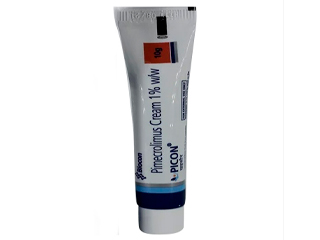
| International Nonproprietary Name (INN) | Pimecrolimus |
|---|---|
| Australia Brand Names | Elidel®, Generics may be available |
| ATC Code | D11AH02 |
| Available Forms & Strengths | Cream, 1% (10 mg/g) |
| Manufacturers | Novartis, various generic manufacturers |
| Prescription Status | Prescription Only Medicine (Schedule 4) |
2. How Pimecrolimus Works (Mechanism of Action)
Simple Explanation: Pimecrolimus belongs to a group of medicines known as topical calcineurin inhibitors. It works by reducing inflammation and dampening the immune response in the skin, which helps to relieve redness, itchiness, and swelling associated with eczema and similar skin conditions.
For Healthcare Professionals: Pimecrolimus is a selective inhibitor of T-cell activation. It blocks the calcium-dependent signal transduction pathways in T lymphocytes by inhibiting the enzyme calcineurin. This suppression reduces the release of pro-inflammatory cytokines (for example, IL-2, IFN-γ) and thus controls immune-mediated dermal inflammation.
3. Pharmacokinetics
- Absorption: After topical application, systemic absorption is minimal. Pimecrolimus predominantly remains in the upper skin layers.
- Metabolism: Undergoes extensive metabolism locally in the skin; negligible hepatic metabolism due to low systemic exposure.
- Elimination: Primarily eliminated via the faeces following cutaneous absorption; renal excretion is minimal.
- Duration of Action: Provides anti-inflammatory effect for several hours to a day post-application.
4. Use in Everyday Life and Best Practices (Australia Context)
Pimecrolimus cream is most commonly used to treat mild-to-moderate atopic dermatitis (eczema) in patients aged two years and older, especially where topical corticosteroids may not be suitable for long-term use or sensitive areas such as the face, neck, and skin folds. In Australia, eczema is a common issue and may be aggravated by environmental factors like dry weather or frequent swimming.
Typical Doses and Application:
- Apply a thin layer of the cream twice daily to the affected areas, usually morning and evening.
- Continue until the area is clear of eczema (redness, itching, or inflammation diffuse), then stop and restart only when symptoms recur.
- Wash hands before and after application unless treating the hands.
- Do not cover with occlusive dressings unless advised by your doctor.
Note: Always follow your GP or dermatologist’s guidance for optimal results.
5. Dosing in the Morning vs. Evening
Consistent dosing improves treatment results. Morning and evening application is ideal:
- Morning: Helps control daytime flare-ups, especially if triggered by daily activities, clothing irritation or sweat; allows absorption before sun exposure (avoid direct sunlight on treated areas).
- Evening: Maintains treatment effects overnight, helps with night-time itching, and supports uninterrupted sleep.
- Tips: Try to apply at the same time each day to build a routine and optimise efficacy.
- Missed dose: Apply as soon as you remember; skip if near time for next dose—do not double up.
6. Taking with Food or on an Empty Stomach
Pimecrolimus is for external use only and is not taken internally; therefore, food and diet do not affect its effectiveness. However, for best results in Australia’s climate:
- Apply to clean, dry skin.
- After application, wait at least 30 minutes before swimming, bathing, or heavy exercise to allow absorption.
- Avoid using creams on sweaty or very oily skin, as this may reduce absorption and increase irritation risk.
7. Interaction Warnings
While systemic absorption is minimal, some interactions may occur with other topical or systemic medicines, foods, or alcohol:
| Interaction | Recommendation |
|---|---|
| Other topical corticosteroids or immunosuppressants | Avoid concurrent application unless recommended by your healthcare professional. |
| Phototherapy (UV light) | Avoid using pimecrolimus in conjunction with phototherapy unless supervised. |
| Alcohol | Some people report skin flushing or irritation when consuming alcohol; monitor and report if this occurs. |
| Vaccinations | Discuss with your doctor if using pimecrolimus long-term near vaccination sites. |
| Emollients/moisturisers | Can be used; apply emollient after pimecrolimus (wait at least 30 minutes where possible). |
8. Indications
| Official (TGA-approved) | Off-label/Common Clinical Uses |
|---|---|
| Treatment of mild-to-moderate atopic dermatitis (eczema) in adults and children (≥2 years) where topical corticosteroid use is not advisable or possible. | Lichen simplex chronicus, vitiligo (especially facial), contact dermatitis, seborrhoeic dermatitis (off-label and at physician’s discretion). |
9. Dosing According to Clinical Indication
| Patient Group | Indication | Recommended Dose |
|---|---|---|
| Adults | Atopic dermatitis (Initial and maintenance) | Apply thin layer twice daily to affected area, continue until eczema clears, resume at flare-up. |
| Paediatrics (≥2 years) | Atopic dermatitis | Same as adults; not recommended for children under 2 years. |
| Elderly (≥65 years) | Atopic dermatitis/other inflammatory dermatoses | Same as adults; observed tolerability similar to general adult population. |
| Face/Neck/Intertriginous areas | Steroid-sparing therapy for dermatitis/eczema | Twice daily, consider shorter courses and medical review if no improvement in 6 weeks. |
10. Safety Profile and Side Effects
Not everyone experiences side effects. Most are mild and improve with continued use. Serious side effects are rare but should be reported.
| Frequency | Possible Effects | Advice |
|---|---|---|
| Common (>1/10) | Burning or stinging at application site (usually mild, lessens over time), pruritus (itch), redness (erythema). | If persistent or severe, seek advice from your doctor or pharmacist. |
| Uncommon (<1/100) | Skin infections (herpes simplex, impetigo), dry skin, local irritation, folliculitis. | Discontinue and consult your healthcare professional if infection develops. |
| Rare (<1/1000) | Swelling, worsening of eczema, skin pigmentation changes, lymphadenopathy. | Seek urgent medical review. |
| Unknown | Theoretic risk of malignancy with very long-term use—based on animal studies, not confirmed in humans (TGA advises only as per label guidance). | Review therapy at 6 weeks and at regular intervals with your prescribing doctor. |
11. Guidelines for Proper Use (Australia)
- Apply sparingly—too much can increase irritation.
- Do not apply inside mouth, eyes, or on mucous membranes.
- Avoid sun exposure or use of tanning beds on treated areas; use sunscreen and protective clothing if outdoors.
- In Australia’s hot/sunny climate, discuss alternative or additional sun protection with your doctor.
- See your GP or dermatologist if there is no improvement within 6 weeks or for repeated flares.
- Continue using regular emollients, but apply separately from pimecrolimus (with a 30-minute gap).
12. Alternative Treatment Options
- Topical corticosteroids (e.g., hydrocortisone, mometasone): Most commonly used; effective but long-term use risks skin thinning, especially on the face/folds.
- Other calcineurin inhibitors (e.g., tacrolimus ointment): Similar effect, slightly different side-effect profile.
- Phototherapy: Used for moderate-severe cases; requires access to facilities and carries risk of skin aging.
- Oral antihistamines: Symptomatic relief of itching.
- Modern biologic agents (e.g., dupilumab): For severe, refractory cases—specialist prescribed, reimbursed under the PBS in specified indications.
Comparison overview: Pimecrolimus is ideal for sensitive areas and long-term control without steroid-related skin atrophy. Topical corticosteroids are often first-line for flares on less sensitive skin but should be avoided long-term on the face.
13. Legal, Registration, and Reimbursement Status in Australia
- Legal status: Registered with the Therapeutic Goods Administration (TGA) as a Prescription Only Medicine (Schedule 4).
- Authority prescription: Required for PBS (Pharmaceutical Benefits Scheme) subsidised supply; check with your doctor for eligibility.
- Reimbursement: Provided under certain clinical criteria (e.g., children with atopic dermatitis not controlled with other treatments).
- Registration: TGA-approved; see the TGA website or consult your pharmacy for up-to-date status.
14. Latest Research and Clinical Guidance (2022–2025)
- Recent literature (see Smith et al., Australasian Journal of Dermatology, 2024) confirms that pimecrolimus is safe and effective for long-term intermittent use in children and adults, particularly on facial and sensitive skin.
- The 2023 Australian Atopic Dermatitis Society guidelines recommend pimecrolimus as a first-line non-steroidal agent for mild-to-moderate facial or flexural eczema.
- European and Australian guidelines highlight negligible cancer risk based on real-world studies (see Wollenberg et al., Allergy, 2023; TGA Safety Update, 2024).
- Ongoing studies (Australian clinical trial registry, 2025) are investigating broader use for resistant facial dermatitis and post-inflammatory hypopigmentation.
15. Availability and Delivery Information
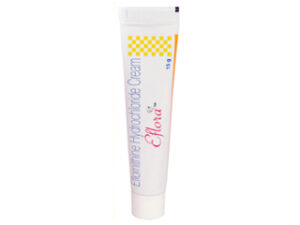
- Popular pack sizes: 15g, 30g, and 100g tubes
- Indicative cost: $20-$45 per tube (unsubsidised; reduced if PBS-eligible)
| City | Estimated Pharmacy Delivery Time |
|---|---|
| Sydney | Same day to 2 business days |
| Melbourne | Same day to 2 business days |
| Brisbane | 1–3 business days |
| Adelaide | 1–3 business days |
| Perth | 2–4 business days |
| Regional/Rural | 2–5 business days (subject to remoteness and local pharmacy stock) |
16. Frequently Asked Questions (FAQ)
- Q: Is pimecrolimus safe for long-term use?
A: Current research, including large real-world studies in Australia and overseas, shows pimecrolimus is safe for intermittent long-term use, especially on the face and folds, when used as directed. Regular doctor reviews are recommended. - Q: Can I use pimecrolimus alongside my regular moisturiser?
A: Yes, you should continue using emollients/moisturisers. Apply pimecrolimus first, wait 30 minutes, then apply your moisturiser for best results. - Q: Is there a risk of skin thinning?
A: No, unlike topical corticosteroids, pimecrolimus does not cause skin thinning and is suitable for delicate areas such as the face, neck, and skin folds. - Q: What should I do if the cream irritates my skin?
A: Mild irritation (burning or stinging) is common initially and often improves with continued use. Stop and consult your doctor if severe or persistent irritation occurs. - Q: Can I use pimecrolimus for children?
A: Pimecrolimus is approved for use in children 2 years and older for atopic dermatitis, especially where corticosteroids are not suitable. Always follow your child’s doctor’s advice.
If you have any more questions, please speak with your pharmacist, GP, or skin specialist. Always use this medicine as directed and report any side effects promptly.