
Pepcid (Famotidine): Patient-Friendly Medicine Guide for Australian Patients
Basic Product Information
| International Non-proprietary Name (INN) | Famotidine |
|---|---|
| Australia Brand Names | Pepcid, Famotin, others (may vary by pharmacy) |
| ATC Code | A02BA03 |
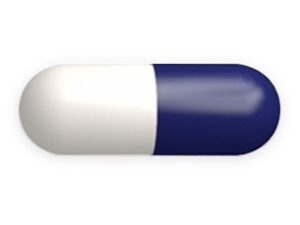
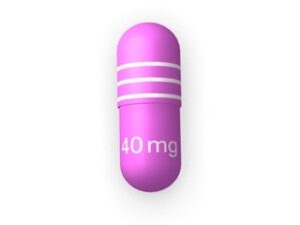
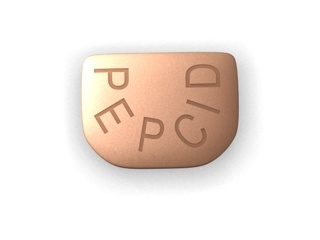
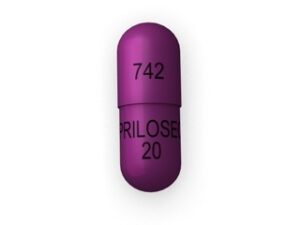
| Available Forms & Strengths | Tablets (10 mg, 20 mg, 40 mg), Oral suspension (on request), Occasional use of IV formulation in hospitals |
| Manufacturers | Johnson & Johnson Pacific, Arrotex Pharmaceuticals, generic manufacturers |
| Prescription Status | Pharmacy Only Medicine (S3), some strengths may require a prescription (S4) |
Mechanism of Action
For Patients: Famotidine belongs to a class of medicines called H2-receptor antagonists, also known as H2 blockers. It works by reducing the amount of acid that your stomach produces. This helps prevent and relieve symptoms like heartburn, indigestion, and reflux.
For Healthcare Professionals: Famotidine competitively inhibits histamine H2 receptors on gastric parietal cells, suppressing both basal and stimulated gastric acid secretion. Unlike antacids, it does not neutralise existing acid but reduces new acid production, having minimal impact on CYP450 enzymes and a favourable drug interaction profile.
Pharmacokinetics
- Absorption: Oral bioavailability is approximately 40–45%. Onset of action is typically within 1 hour, with peak effect between 1–3 hours.
- Metabolism: Undergoes minimal hepatic metabolism (about 20%); not significantly affected by hepatic disease.
- Elimination: Primarily excreted unchanged in urine (60–70%). Dose adjustment may be required in severe kidney impairment.
- Duration of Action: Lasts 10–12 hours in healthy adults, supporting twice-daily or once-daily dosing.
Use in Everyday Life & Best Practices in Australia
Famotidine is commonly used to relieve symptoms associated with conditions such as heartburn, gastro-oesophageal reflux disease (GORD/GERD), gastritis, and stomach ulcers. In Australia, it is available as a pharmacy-only medication for short-term relief (usually up to 2 weeks) or ongoing use under medical supervision.
- Typical Adult Dose: 20 mg taken once or twice daily, depending on the condition. For ulcer treatment, doses of 40 mg at bedtime are typically prescribed.
- How to Use: Swallow the tablet whole with water. Try to take doses at the same time each day. For night-time symptoms (such as reflux), evening dosing is often recommended.
- Lifestyle Considerations: Maintaining a healthy weight, avoiding heavy evening meals, elevating the bedhead, and reducing alcohol/caffeine can support treatment.
Dosing in the Morning vs Evening
- Morning Dosing: May help those with daytime symptoms, e.g., after breakfast. It provides acid suppression in anticipation of meals.
- Evening/Bedtime Dosing: Preferred for nocturnal symptoms or ulcer healing, as acid secretion is highest at night. This is common practice in English clinical guidelines.
- Tips: Try to take your dose at the same time daily. If you miss a dose, take it when remembered unless it's nearly time for your next dose.
Taking with Food or on an Empty Stomach
- Famotidine can be taken with or without food; taking it with meals can help buffer the stomach if sensitive.
- Australian dietary habits (larger evening meals) may make evening dosing more effective for some patients.
- No need to change your diet unless advised by your doctor or pharmacist.
Interaction Warnings
| Interactant | Effect / Warning |
|---|---|
| Alcohol | Minimal direct interaction, but alcohol can worsen stomach symptoms. |
| Antacids | May reduce famotidine absorption if taken at the same time. Separate by at least 1–2 hours. |
| Other H2 blockers or PPIs (e.g., ranitidine, omeprazole) | Not recommended to combine; may increase side effects. |
| Ketoconazole, atazanavir (medicines needing stomach acid) | Famotidine reduces stomach acidity, possibly lowering the effectiveness of these medicines. Consult your healthcare provider. |
| Warfarin, theophylline, phenytoin | No significant interaction; unlike cimetidine, famotidine is generally considered low risk. |
Indications
| Indication | Official / Off-label |
|---|---|
| Treatment of duodenal ulcers | Official |
| Gastro-oesophageal reflux disease (GORD/GERD) | Official |
| Symptomatic relief of heartburn and indigestion | Official |
| Prevention of ulcer recurrence | Official |
| Prevention of stress ulcers in hospitals | Official (hospital use) |
| Eosinophilic oesophagitis, mast cell disorders | Off-label |
| Allergic urticaria (hives), as add-on | Off-label |
Dosing According to Clinical Indications
| Indication/Patient | Dose | Notes |
|---|---|---|
| Adult (ulcer healing) | 40 mg once daily at bedtime | For 4–8 weeks; reduce if symptoms resolve |
| Adult (maintenance/GORD) | 20 mg once or twice daily | Adjust as needed |
| Pediatric (1–16 years) | 0.5 mg/kg twice daily | Max: 40 mg twice daily. Specialist guidance required. |
| Elderly | Similar to adults | Use lower doses if kidney function is impaired |
| Renal impairment | 20 mg once daily or adjust per creatinine clearance | Seek medical guidance |
Safety Profile & Side Effects
- Common: Headache, dizziness, constipation or diarrhoea, tiredness.
- Occasional: Dry mouth, muscle or joint pain.
- Rare but Serious: Allergic reactions (rash, swelling, breathlessness), confusion in the elderly, abnormal heart rhythms (mainly in hospital settings), liver test changes.
- Warnings: Inform your doctor if you have difficulty swallowing, severe uncontrolled symptoms, vomiting blood, or unexplained weight loss.
Guidelines for Proper Use (Australia)
- Always read the leaflets and follow your doctor or pharmacist’s instructions.
- Do not take more than the recommended dose or for longer than advised without medical supervision.
- If using for frequent heartburn (twice a week or more), seek further medical advice to rule out underlying causes.
- Store your medicine below 25° C and keep out of reach of children.
- Be aware of "red flag" symptoms that require urgent evaluation (e.g., vomiting blood, passing black stools, sudden severe pain).
- Do not drive or operate heavy machinery if you feel dizzy.
- Dispose of unused medicines at your local pharmacy.
Alternative Treatment Options
- Proton Pump Inhibitors (PPIs) (e.g., omeprazole, esomeprazole): Stronger acid suppression, longer onset, suitable for severe/refractory cases. May cause rebound acid hypersecretion and long-term side effects (bone, kidney effects). Subsidised under PBS for eligible patients.
- Other H2 Blockers: Ranitidine was withdrawn from the Australian market due to contamination concerns.
- Antacids and Alginates: Quick relief for occasional symptoms but short-acting. Available over the counter (e.g., Gaviscon, Mylanta).
- Non-Drug Measures: Dietary adjustment, weight loss, avoiding triggers (spicy, fatty, large late meals), smoking/alcohol cessation.
Legal, Registration, and Reimbursement Status in Australia
- Regulators: Registered with the Therapeutic Goods Administration (TGA) as a safe and effective medicine for gastrointestinal conditions.
- Legal Category: S3 (Pharmacist Only Medicine) for most strengths; higher strengths (e.g., 40 mg) may be S4 (Prescription Only) and require a doctor's prescription.
- Reimbursement: Some famotidine (high-strength) products may be covered under the Pharmaceutical Benefits Scheme (PBS) for specific clinical indications. Check with your pharmacist or GP for eligibility.
- Availability: Easily available at community pharmacies and some supermarkets (lower-dose packs).
Latest Research & Clinical Guidelines (2022–2025)
- National Institute for Health and Care Excellence (NICE, 2023): Supports famotidine as safe and effective for GORD and non-erosive reflux, suggesting once or twice daily dosing based on symptom pattern.
- Gastroenterological Society of Australia (GESA, 2024): Recommends H2 blockers as second-line therapy for mild, non-erosive reflux or when PPIs are not tolerated.
- Recent Australian studies endorse on-demand and intermittent famotidine use for occasional heartburn, with long-term safety established and minimal adverse effects documented for typical use (<1% severe reactions).
- COVID-19: Although famotidine was studied as a possible adjunct in some COVID-19 protocols, routine use for this purpose is not recommended without specialist advice (see BMJ, 2022).
Availability, Delivery, and Pricing in Australia
| Pack Size | Strengths | Indicative Price (AUD) | Availability | Delivery to Major Cities |
|---|---|---|---|---|
| 6–14 tablets | 10 mg, 20 mg | $5–$12 | Most pharmacies, supermarkets | Same/next day (Sydney, Melbourne, Brisbane) |
| 28–60 tablets | 20 mg, 40 mg | $16–$35 | Community pharmacy; prescription may be needed | Next day (Adelaide, Perth), 1–2 days (regional areas) |
| Oral suspension | Varies | $18–$29 | Hospital or compounding pharmacy (by request) | 2–4 days (nationwide) |
- Please check with your local pharmacy for up-to-date pricing and available brands. Prices may vary depending on the supplier.
FAQ – Common Patient Questions
- 1. How quickly does famotidine (Pepcid) work?
You may start to feel relief from symptoms within 30–60 minutes. Maximum effect occurs in 1–3 hours. If you have persistent symptoms for more than two weeks, see your doctor. - 2. Can I take famotidine every day?
Yes, but only as directed by your doctor or pharmacist. If you need it more than twice a week for longer than two weeks, you should have a review to rule out underlying causes. - 3. Can I use famotidine if I am pregnant or breastfeeding?
Famotidine is not usually the first choice in pregnancy, but if needed, it may be considered after discussion with your GP or obstetrician. It is considered relatively safe during breastfeeding, but always seek medical advice before use. - 4. What should I do if I miss a dose?
Take the missed dose as soon as you remember unless it's almost time for your next dose. Do not take a double dose. - 5. Are there foods I should avoid?
While taking famotidine you can maintain your usual diet, but avoiding spicy, fatty, and very large meals, especially at night, may help reduce symptoms. Limit alcohol and avoid smoking.
For further information or specific queries, please consult your pharmacist or general practitioner.