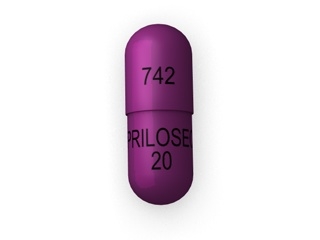

Prilosec (Omeprazole): Comprehensive Patient Information
Basic Product Information
| Active Ingredient (INN) | Omeprazole |
|---|---|
| Australia Brand Names | Prilosec, Losec, Acimax, Omepral, Sandoz Omeprazole |
| ATC Code | A02BC01 |
| Available Forms / Strengths | Capsules: 10mg, 20mg, 40mg; Tablets: 10mg, 20mg, 40mg; Oral suspension: 2mg/mL (some brands); Granules for suspension |
| Manufacturers | AstraZeneca, Sandoz, Alphapharm, Apotex and others |
| Legal Status | Prescription Only (Schedule 4 / S4). Omeprazole 10mg and 20mg are available over-the-counter (OTC) in small packs at pharmacies for short-term use. |
Mechanism of Action
Omeprazole is classified as a proton pump inhibitor (PPI). It works by blocking a protein in the stomach lining known as the "proton pump" (H+/K+-ATPase). The proton pump is responsible for producing stomach acid. By inhibiting this pump, Omeprazole significantly reduces the amount of acid produced in the stomach, thereby relieving symptoms and allowing healing of acid-related conditions.
- In plain terms: Prilosec decreases acid in your stomach to help prevent pain and damage caused by acid, such as heartburn and ulcers.
- For specialists: Omeprazole is a prodrug converted in acidic gastric parietal cells to an active sulfenamide, irreversibly binding cysteine residues on H+/K+-ATPase, thus suppressing basal and stimulated gastric acid secretion.
Pharmacokinetics
- Absorption: Omeprazole is rapidly absorbed after oral administration; peak plasma levels are reached within 0.5 to 3.5 hours. The enteric-coated formulation protects against breakdown in stomach acid.
- Metabolism: Extensively metabolised in the liver via CYP2C19 and CYP3A4 enzymes.
- Elimination: Mainly urinary excretion (about 80%), with the remainder via faeces. Less than 0.1% excreted unchanged in urine.
- Duration of Action: Acid suppression lasts up to 72 hours after a single dose due to irreversible enzyme binding, but the plasma half-life is 0.5–1 hour.
Use in Everyday Life and Best Practices
Prilosec (Omeprazole) is widely used in Australia for:
- Treating frequent and persistent heartburn (gastro-oesophageal reflux disease, or GORD/GERD)
- Managing stomach or duodenal ulcers, including those linked to Helicobacter pylori infection
- Preventing damage from chronic use of non-steroidal anti-inflammatory drugs (NSAIDs)
- Treating Zollinger-Ellison syndrome (a rare condition with excessive gastric acid production)
Typical adult dose: 20mg once daily, increased to 40mg in certain conditions as directed by your doctor.
Pediatric dosing: Off-label for children; dose depends on body weight and indication.
How to use:
Take your capsule or tablet whole with a full glass of water. Do not crush or chew, as this can reduce effectiveness. If you have trouble swallowing, ask your pharmacist about alternative formulations, such as dispersible tablets or granules for suspension.
Dosing — Morning vs Evening
- Morning dosing: Most effective; aligns with the body’s natural acid secretion cycle and best taken before breakfast. Especially recommended for relief from overnight heartburn or morning symptoms.
- Evening dosing: May suit people with severe night-time symptoms, as advised by your doctor. Consistency is key—take at the same time each day.
- Tip: Set a daily alarm or link medication to a regular routine (e.g., morning tea) to help remember your dose.
Taking with Food or on an Empty Stomach
- Recommended: Take Omeprazole on an empty stomach, ideally 30–60 minutes before a meal (commonly breakfast). Meals stimulate acid production, improving medicine absorption and effectiveness.
- Australian dietary context: If your breakfast includes coffee, tea, toast, or cereal, take Omeprazole with water ahead of your meal. Avoid delaying breakfast for long periods after your dose.
- Taking with food: Not harmful, but may decrease the drug’s efficacy in suppressing stomach acid.
Interaction Warnings
| Type | Item | Advice |
|---|---|---|
| Food | Consuming with food | May reduce absorption—take before meals for best effect. |
| Food | Dairy products, caffeine, spicy or fatty foods | No specific risks, but may worsen reflux symptoms. |
| Alcohol | Any | No direct interaction, but alcohol can aggravate reflux and mucosal irritation. |
| Medications | Clopidogrel | May reduce effectiveness—seek medical advice before combining. |
| Medications | Warfarin, diazepam, phenytoin | Potential increase in blood levels—monitoring or dose adjustment may be needed. |
| Medications | Antifungals (e.g., ketoconazole, itraconazole) | Reduced absorption of these medicines; discuss alternatives if needed. |
| Medications | St John’s Wort, rifampicin | May decrease Omeprazole levels—effectiveness could be reduced. |
Indications
| Clinical Use | Details |
|---|---|
| Registered Indications |
|
| Off-label/Common Use |
|
Dosing According to Clinical Indication
| Indication | Adults | Pediatrics | Elderly |
|---|---|---|---|
| GORD / Reflux | 20mg once daily for 4–8 weeks; up to 40mg if required | 0.7–3.5mg/kg once daily (max 40mg) | Same as adult; reduce with severe hepatic impairment |
| Duodenal ulcer | 20mg once daily for 2–4 weeks | Not routinely used | As per adult recommendations |
| Gastric ulcer | 20mg once daily for 4–8 weeks | Specialist advice | As per adult recommendations |
| H. pylori eradication | 20mg twice daily (with antibiotics) for 7–14 days | Specialist regimen | As per adult recommendations |
| Zollinger-Ellison syndrome | 60mg daily, adjusted by response | Specialist | Cautious titration |
| Prevention of NSAID-induced ulcers | 20mg once daily as long as needed | Not indicated | As per adult; routine monitoring |
Note: Always follow your doctor’s instructions for dose and duration. Self-treatment is only for short-term relief of mild symptoms (max 14 days) unless prescribed.
Safety Profile and Side Effects
| Frequency | Side Effect | Advice |
|---|---|---|
| Common | Headache, stomach pain, nausea, diarrhoea, flatulence, constipation | Usually mild and temporary; speak to your pharmacist if persistent |
| Less common | Skin rash, itching, dizziness, sleep disturbances | Inform your doctor if troubling |
| Rare/Serious | Severe allergic reaction (swelling, rash, breathing difficulties), liver problems (jaundice), severe diarrhoea (possibly associated with C. difficile) | Seek urgent medical attention |
| Long-term | Vitamin B12 deficiency, low magnesium or calcium, possible increased infection risk (e.g., pneumonia, C. difficile), osteoporosis-related fractures | Appropriate monitoring for long-term use; discuss with your doctor |
Warnings: People with known liver problems, pregnant or breastfeeding women, and those taking certain other medicines (see above) should seek medical advice before using Omeprazole.
Guidelines for Proper Use (Australia Context)
- Always follow your doctor’s or pharmacist’s advice on how long to take Omeprazole.
- If using OTC Omeprazole, do not take for more than 14 days without consulting a healthcare professional.
- If you miss a dose, take it as soon as remembered unless it's nearly time for your next dose – don’t double up.
- Report any new, severe, or persistent symptoms (e.g., difficulty swallowing, vomiting blood, black stools) promptly.
- Inform all your healthcare providers that you are taking a proton pump inhibitor.
- Discuss any plans for pregnancy or breastfeeding with your doctor.
- In the hot Australian climate, store Omeprazole below 25°C, away from direct sunlight and moisture.
- Dispose of unused medicines safely via pharmacy return programs such as the RUM (Return Unwanted Medicines) Project.
Alternative Treatment Options
- Other Proton Pump Inhibitors (PPIs):
- Esomeprazole (Nexium)
- Pantoprazole (Somac)
- Lansoprazole (Zoton)
- Rabeprazole (Pariet)
- H2-receptor antagonists: Ranitidine (no longer widely available in Australia), famotidine
- Antacids and alginates: Gaviscon, Mylanta, Rennie (for mild or infrequent symptoms)
| Option | Pros | Cons |
|---|---|---|
| Other PPIs | Similar efficacy, different metabolism or side effect profiles | May not be superior for all indications; cost differences |
| H2-blockers | Rapid onset, fewer serious side effects, OTC availability | Less potent, tolerance may develop, not for severe GORD |
| Antacids | Immediate relief, OTC, safe short-term | Short duration, not for regular or severe symptoms |
Legal, Registration and Reimbursement Status (Australia)
- Registration: Omeprazole products are registered with the Therapeutic Goods Administration (TGA) under various trade names and strengths.
- Legal status: Prescription-only (Schedule 4) for regular packs/strengths; 10mg and 20mg available OTC in ‘Pharmacist Only’ packs for 14-day use.
- PBS (Pharmaceutical Benefits Scheme): Subsidised for most evidence-based indications; check your doctor’s prescription for eligibility. No additional approval required for most uses.
Latest Research and Clinical Guidance (2022–2025)
- Australian guidelines continue to recommend PPIs like Omeprazole as first-line for GORD, peptic ulcers, and NSAID-induced ulcer prevention (GESA, 2023, Therapeutic Guidelines: Gastrointestinal, 2022).
- Shortest effective duration and lowest effective dose are best practice to reduce long-term risks.
- Current evidence (BMJ 2024; Lancet Gastroenterol Hepatol 2023) shows no significant cancer link, but regular review for patients on long-term PPIs is important.
- PPI “step-down” or “on-demand” strategies are now commonly advised after initial symptom control.
- High dose or chronic PPI use warrants periodic monitoring of vitamin B12, magnesium, and bone density.
Availability and Delivery in Australia
| Pack Size | Common Pharmacy Price (AUD) | Delivery Time (to Metro Areas) | Delivery Time (to Regional/Remote Areas) |
|---|---|---|---|
| 10mg x 14 capsules | $8–11 OTC | Same day (in-store) or 1–2 days by post | 2–5 days |
| 20mg x 30 capsules | $12–15 (prescription), $11–18 (OTC) | 1–2 days | 2–7 days |
| 40mg x 30 capsules | $15–22 (prescription; PBS co-payment if eligible) | 1–2 days | 3–7 days |
| Granules for suspension | $18–25 (special order) | 2–5 days | 5–10 days |
Most pharmacies in Sydney, Melbourne, Brisbane, Perth and Adelaide carry the most common forms and strengths. Home delivery is available with most pharmacy groups, especially in major cities and towns.
Frequently Asked Questions (FAQ)
- 1. Can I take Omeprazole with other medications?
Answer: Some drugs may interact with Omeprazole. Tell your pharmacist or doctor about all medicines and supplements you use, especially clopidogrel, digoxin, certain antibiotics, warfarin, and St John’s Wort. See the ‘Interaction Warnings’ table above. - 2. How long can I take Omeprazole safely?
Answer: For occasional heartburn, don’t use for more than 14 days at a time unless advised by your healthcare provider. If you need long-term therapy, regular medical review is important to monitor for side effects. - 3. Will Omeprazole cure my reflux?
Answer: Omeprazole treats the symptoms and prevents reflux-related damage, but may not cure the underlying cause. Lifestyle changes (healthy weight, smoking cessation, diet adjustment) may also be necessary for lasting benefit. - 4. Is it safe to use Omeprazole during pregnancy or breastfeeding?
Answer: Omeprazole is generally considered safe during pregnancy and breastfeeding. However, always check with your GP or pharmacist before starting. - 5. What should I do if I forget a dose?
Answer: Take your missed dose as soon as you remember, unless it’s almost time for your next dose. Do not double up. Continue with your usual schedule the next day.
Disclaimer: This information is intended as a general guide. For personalised medical advice or concerns, always consult your doctor, pharmacist, or healthcare provider. Product details may change, so check with your local Australian pharmacy for the latest information.