
Nexium (Esomeprazole) – Comprehensive Patient Guide
Basic Product Information
| International Non-proprietary Name (INN) | Esomeprazole |
|---|---|
| Brand Names (Australia) | Nexium, Esomeprazole Sandoz, Esomeprazole Apotex, Esomeprazole generics |
| ATC Code | A02BC05 |
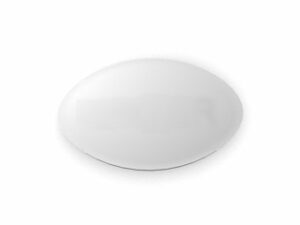
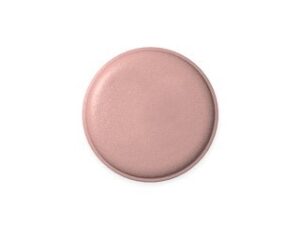
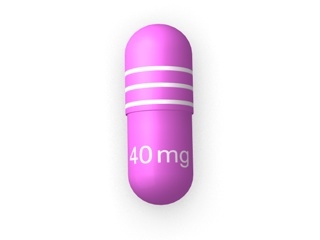
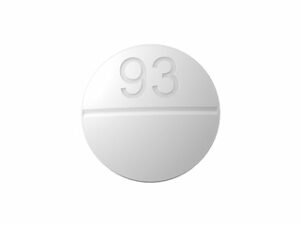
| Available Forms & Strengths |
|
| Manufacturers | AstraZeneca Pty Ltd (originator), multiple generic manufacturers |
| Prescription Status | Prescription Only Medicine (Schedule 4, S4, Australia) |
Mechanism of Action
Esomeprazole belongs to a class of medicines known as proton pump inhibitors (PPIs). It works by blocking a specific enzyme (“proton pump”) in the stomach lining that produces acid. By suppressing this enzyme, esomeprazole significantly reduces acid secretion, allowing the stomach and esophagus to heal and reducing symptoms such as heartburn.
For Healthcare Professionals:
Esomeprazole is the S-isomer of omeprazole and binds irreversibly to H+/K+-ATPase in the parietal cell secretory surface. It thereby inhibits the final step of gastric acid production, offering effective acid control.
Pharmacokinetics
- Absorption: Peak plasma levels are typically reached within 1–2 hours (faster in fasting state).
- Bioavailability: 64% after a single 40mg dose; increases with repeated dosing.
- Metabolism: Primarily processed in the liver via CYP2C19 and CYP3A4 enzymes.
- Elimination: Mainly eliminated in urine (as metabolites), with a half-life of 1–1.5 hours in healthy patients.
- Duration of Action: Acid suppression lasts up to 24 hours with once-daily dosing.
Use in Everyday Life and Best Practices (AU Context)
Esomeprazole is commonly used in Australia to treat conditions related to excess stomach acid, such as:
- Gastroesophageal reflux disease (GORD/GERD)
- Stomach & duodenal ulcers
- Prevention of ulcers with NSAID use
- Zollinger-Ellison Syndrome
- As part of Helicobacter pylori eradication regimens
Most adults start with a 20 mg or 40 mg dose once daily. Tablets or capsules should be swallowed whole with water, usually in the morning before breakfast for best results. Do not crush or chew delayed-release preparations.
Dosing: Morning vs Evening
- Morning dosing: Typically preferred, offers best daytime symptom control and aligns with peak acid production after breakfast.
- Evening dosing: May be considered if symptoms occur mainly at night (e.g., nocturnal heartburn).
- Consistency: Take at the same time daily for optimal efficacy.
- Tip: Set a daily reminder and link taking your medication to a routine habit, such as brushing your teeth.
Taking with Food or on an Empty Stomach
Take esomeprazole at least 1 hour before a meal (best before breakfast). This ensures maximum absorption. Meals, especially high-fat or rich English-style breakfasts, can reduce and delay absorption. If needed, granules can be mixed with water and taken orally or via feeding tubes.
- Do not take with milk, tea, or coffee, as these may affect absorption.
- Avoid large, fatty meals immediately after the dose.
Interaction Warnings
| Type | Interaction | Advice |
|---|---|---|
| Medicines | Clopidogrel, warfarin, diazepam, phenytoin, digoxin, methotrexate, HIV antivirals | May increase or decrease blood levels; consult your doctor if using these medications. |
| Foods | High-fat, heavy meals | Can delay absorption; best to take on an empty stomach. |
| Alcohol | Heavy alcohol may worsen gastric symptoms | Limit/avoid to reduce risk of gastrointestinal side effects. |
| Herbal supplements | St John’s Wort, ginkgo | May reduce esomeprazole effectiveness; avoid use together. |
Indications
| Indication | Status |
|---|---|
| Gastro-oesophageal reflux disease (GORD/GERD) | Approved (Primary) |
| Peptic & duodenal ulcer therapy | Approved |
| Prevention of NSAID-associated ulcers | Approved |
| H. pylori eradication (with antibiotics) | Approved |
| Zollinger-Ellison syndrome | Approved (specialist use) |
| Functional dyspepsia | Off-label/Guideline supported |
| Chronic gastritis or other causes of acid hypersecretion | Off-label case-by-case |
Dosing According to Clinical Indication
| Indication | Adults | Paediatric (12–17 yrs) | Elderly |
|---|---|---|---|
| GORD/GERD | 20–40 mg once daily | 20 mg once daily (max 40 mg) | Same as adult; use lowest effective dose |
| Peptic ulcer (with H. pylori) | 20 mg twice daily (with 2 antibiotics) | 20 mg twice daily | Same as adult |
| NSAID ulcer prevention | 20–40 mg once daily | Not usually used | Same as adult |
| Zollinger-Ellison Syndrome | 40 mg twice daily (up-titrate as needed) | Specialist only | Same as adult |
Always follow your doctor's advice for individualised dosing and therapy duration.
Safety Profile and Side Effects
Esomeprazole is generally well-tolerated in Australian clinical practice. However, as with all medicines, side effects can occur.
| Frequency | Side Effects | Important Warnings |
|---|---|---|
| Common (>1%) | Headache, nausea, diarrhoea, abdominal pain, constipation, flatulence | Generally mild; report lasting symptoms to your doctor |
| Uncommon (0.1–1%) | Dizziness, dry mouth, rash, sleep changes | May subside with time |
| Rare (<0.1%) | Severe allergic reactions, liver changes, skin blistering, very low magnesium or vitamin B12 levels with long use | Seek medical attention immediately for severe allergy, skin symptoms, or unexplained fatigue |
| Long-term safety | Increased risk of certain infections (e.g., C. difficile), bone thinning, B12 & magnesium deficiency with years of use | Discuss regular blood tests and lowest effective dose with your GP if used for years |
Guidelines for Proper Use (Australia)
- Take as prescribed by your doctor – do not double doses or abruptly stop long-term therapy without medical advice.
- Inform your GP if you have persistent vomiting, unexplained weight loss, black stools, or severe abdominal pain.
- Store medication below 25°C, away from heat and moisture (Australia’s warm climate can affect medicine).
- Check with your pharmacist before starting new medications or herbal products.
- Regular review is recommended if using Nexium for longer than eight weeks.
- Ask for a Home Medicines Review if you have complex health needs or take multiple medicines.
Alternative Treatment Options
- Other PPIs: Omeprazole, pantoprazole, rabeprazole, lansoprazole (all reimbursed by the PBS; similar action, minor differences in metabolism, cost, and duration)
- H2 blockers: Ranitidine (limited use in Australia since 2020 due to recall), famotidine (available)
- Antacids: Quick, short relief (Mylanta, Gaviscon); no long-term healing
- Misoprostol: For NSAID-induced ulcer prevention (PBS-reimbursed for special groups)
PPIs (like Nexium) are considered the most effective for severe or persistent acid-related conditions. Alternatives may be used for short-term relief or mild cases.
Legal, Registration, and Reimbursement Status in Australia
- Regulatory body: Registered with the Therapeutic Goods Administration (TGA)
- Prescription Category: Schedule 4 (S4) – Prescription Only
- Pharmaceutical Benefits Scheme (PBS): Subsidised for most approved indications under PBS item codes
- Available from Australian community and hospital pharmacies on valid prescription
Over-the-counter (OTC) use is not permitted for standard strengths. Lower strengths (10 mg) in small packs may be available for short-term relief, at pharmacist’s discretion.
Latest Research and Clinical Guidance (2022–2025)
- Australian Gastroenterology Society (2023): Recommends the lowest effective PPI dose for control, and regular review for long-term users.
- Recent studies: Affirm PPIs’ effectiveness in erosive GORD and ulcer prevention, but highlight the need to watch for long-term nutritional and infection risks[1].
- Meta-analyses: Show safety of short-term use, but reinforce regular monitoring in older adults and those taking multiple medications[2].
- International guidelines: Do not support long-term use for simple heartburn—step down therapy where possible[3].
[1] Australian Prescriber, 2024; [2] BMJ 2023 meta-analysis; [3] NICE NG131, 2022
Availability and Delivery
| Pack Size | Strength(s) | Typical Cost (PBS concessional/general) | Home Delivery (major Australian cities) |
|---|---|---|---|
| 7 tablets | 20 mg, 40 mg | $6.70 / $20–30 | 1–2 days (Sydney, Melbourne, Brisbane) |
| 30 tablets | 20 mg, 40 mg | $6.70 / $20–30 | 1–3 days |
| 60 tablets | 20 mg, 40 mg | $13.40 / $40–60 | 2–4 days (Hobart, Perth may be longer) |
| Granules (oral suspension) | 10 mg, 20 mg, 40 mg | $15–$70 (varies) | 1–4 days |
Availability may vary—check with your local pharmacy or use their online scheduling for click-and-collect or postal delivery.
Frequently Asked Questions (FAQ)
- Q: How long should I take Nexium?
A: For most conditions, a typical course is 4–8 weeks. Some patients with chronic conditions may need longer use. Always follow your doctor’s instructions and have your treatment reviewed regularly. - Q: Can I take Nexium with other medicines?
A: Some medications can interact with Nexium. Always tell your doctor and pharmacist about any other prescription, over-the-counter, or herbal medicines you use. - Q: What should I do if I miss a dose?
A: Take the missed dose as soon as you remember, unless it's nearly time for your next dose. Do not double up. If you are unsure, ask your pharmacist. - Q: Are there any risks if I use Nexium for a long time?
A: Long-term use can increase the risk of low magnesium or vitamin B12, or bone thinning. Your doctor may recommend periodic blood tests. - Q: Should I change my diet while taking Nexium?
A: No special diet is required, but avoiding heavy, spicy, or fatty foods may help your symptoms. Small, regular meals are generally recommended.