Ursodiol (Ursodeoxycholic Acid): Patient-Friendly Product Information for Australia
Basic Product Information
| International Nonproprietary Name (INN) | Ursodeoxycholic Acid (Ursodiol) |
| Common Australian Brand Names | Ursofalk®, Ursosan®, Ursodeoxycholic Acid Generic Brands |
| Anatomical Therapeutic Chemical (ATC) Code | A05AA02 |
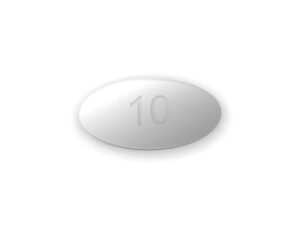
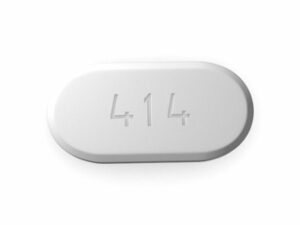
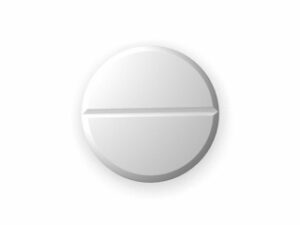
| Available Forms & Strengths | Capsules (250 mg, 500 mg); Tablets (250 mg); Oral Suspension (250 mg/5mL) |
| Manufacturers | Dr. Falk Pharma, Aspen Pharma, various generics |
| Prescription Status | Prescription Only (S4 - Prescription Medicine in Australia) |
Mechanism of Action
In simple terms: Ursodiol helps dissolve and prevent certain types of gallstones and improves liver function by changing the way bile is produced and processed in your body. It makes bile less toxic and helps reduce inflammation by replacing more harmful bile acids.
For specialists: Ursodeoxycholic acid (UDCA) is a hydrophilic bile acid that reduces cholesterol saturation in bile, promotes choleresis, and protects biliary epithelial cells by reducing the concentration of toxic endogenous hydrophobic bile acids. It stabilises hepatocyte membranes and has documented immunomodulatory and anti-apoptotic effects in cholestatic liver diseases.
Pharmacokinetics
- Absorption: Ursodiol is partially absorbed in the small bowel — up to 60–80%.
- Distribution: Distributed mainly in the enterohepatic circulation, present in plasma and bile.
- Metabolism: The liver converts ursodiol to conjugated forms (glycine and taurine conjugates) for biliary excretion.
- Elimination: Most is excreted in faeces via bile; a small amount in urine.
- Duration of action: Half-life is 3.5–6 hours, but steady-state in bile may take weeks.
Use in Everyday Life and Best Practices (Australia-Specific Guidance)
Ursodiol is primarily used for the treatment of primary biliary cholangitis (PBC), prevention and dissolution of certain types of gallstones (especially cholesterol stones), and management of some cholestatic liver diseases in children and adults. In Australia, Ursodiol is almost always prescribed by a specialist — typically a gastroenterologist or hepatologist.
- Usual adult dose (PBC): 13–15 mg/kg body weight per day, divided into 2–3 doses.
- Gallstone dissolution: 8–10 mg/kg/day in 1–2 divided doses, continued for months.
- Pediatric (children): Dose varies by body weight and indication; always use as directed by paediatrician.
- How to take: Capsules or tablets are swallowed whole with water. Oral suspension may be dispensed for children/those with swallowing difficulties.
- Consistency: Take your medicine at the same times every day, as this enhances its effect and keeps blood levels steady.
Dosing in the Morning vs. Evening
Morning dosing: May improve adherence if patient is more alert and has regular breakfast habits.
Evening dosing: May reduce gastrointestinal side effects for some, especially if split into several doses taken with meals.
Tips: For best effect, divide your daily dose evenly—morning and evening, or morning, midday, and evening with meals, unless directed otherwise.
Taking with Food or on an Empty Stomach
- With food: Ursodiol is best absorbed when taken with or after meals. In Australia, take with breakfast and dinner or as advised, regardless if you follow an English or Mediterranean-style diet.
- Empty stomach: May reduce absorption and increase gastrointestinal side effects (e.g. diarrhoea).
- Meal content: Typical English/Australian meals (moderate in fat) are suitable; extremely high-fat meals are not recommended.
Interaction Warnings
| Type of Interaction | Examples & Advice |
|---|
| Medicines for lowering cholesterol | Bile acid sequestrants (e.g., cholestyramine, colestipol) can bind ursodiol; take these at least 2 hours apart. |
| Antacids (aluminium-based) | May reduce effect of ursodiol if taken together. Allow at least 2 hours between medicines. |
| Immunosuppressants | Ciclosporin levels may be altered—specialist monitoring required. |
| Hormonal contraceptives/oestrogens | These increase cholesterol in bile; may reduce the gallstone dissolving effect. |
| Alcohol | Moderate intake: generally safe. Excess increases risk of liver injury, especially with underlying liver disease—best avoided. |
| Herbal medicines and supplements | St John’s wort and others affecting liver enzymes may interfere; discuss with your pharmacist. |
Indications
| Indication | Status |
| Primary biliary cholangitis (PBC) | Approved |
| Cholestatic liver diseases (children, adults; e.g. cystic fibrosis related liver disease, certain inherited syndromes) | Specialist off-label |
| Dissolution of radiolucent cholesterol gallstones | Approved |
| Prevention of gallstones (e.g. during rapid weight loss/bariatric surgery) | Off-label |
| Non-alcoholic steatohepatitis (NASH), Primary sclerosing cholangitis (PSC) | Not recommended—insufficient evidence |
Dosing According to Clinical Indications
| Indication | Adults | Children | Elderly |
| Primary biliary cholangitis (PBC) | 13–15 mg/kg/day, divided 2–3 doses | As for adults, by weight | As for adults; lower start dose if frail |
| Gallstone dissolution | 8–10 mg/kg/day, 1–2 daily doses | Specialist advice only | As for adults |
| Cholestatic liver disease (children) | N/A | 15–20 mg/kg/day, divided | N/A |
Safety Profile and Side Effects
| Frequency | Side Effect | Advice |
| Common | Diarrhoea, stomach pain, nausea, headache | Take with meals. If persistent, see your doctor or pharmacist. |
| Less common | Vomiting, rash, tiredness, back pain | Discuss at your next review if persistent. |
| Rare | Severe allergic reactions, jaundice, worsening liver function blood tests | Seek urgent medical attention if you notice yellowing of the eyes/skin, swelling, or difficulty breathing. |
| Precautions | History of gallstones not suited to dissolution, advanced liver failure, pregnancy/breastfeeding | Specialist/GP advice required before use. |
Guidelines for Proper Use (Australia-Specific Advice)
- Take urdosiol at the same time(s) each day, preferably with food.
- Swallow capsules/tablets whole; do not crush or chew.
- For oral suspension, use the provided dosing syringe or spoon and shake well before use.
- If you forget a dose, take it as soon as you remember—if almost time for your next dose, skip the missed dose.
- Don’t double up on doses.
- Regular liver function tests are required; attend all follow-up appointments.
- Keep all medicines out of reach of children. Store below 25°C; avoid excessive heat.
- If you experience unexplained itching, yellow skin, dark urine or swelling, inform your doctor without delay.
Alternative Treatment Options
- Obeticholic acid (Ocaliva®): Used for PBC in some patients not responding to UDCA; more expensive and requires specialist prescription. Side effects may include itching and worsening liver tests.
- Cholestyramine: Used for itching associated with liver disease, not for modifying bile acids or gallstone dissolution.
- Liver transplantation: For advanced, end-stage liver disease or failure, not earlier stages.
- Surgical removal of gallbladder (cholecystectomy): Standard for most symptomatic gallstones.
- Other: Supportive treatments (e.g., vitamin supplementation, dietary management).
Comparative overview: Ursodiol is best for slow, non-surgical gallstone management and early liver disease. Surgery is preferred for acute gallstone attacks. Specialist therapies are reserved for advanced or resistant cases. Check with your Australian pharmacist/GP about PBS-reimbursed options and eligibility.
Legal, Registration, and Reimbursement Status in Australia
- Registered by: Therapeutic Goods Administration (TGA)
- Prescription category: Schedule 4 (S4) Prescription only medicine in Australia
- Reimbursement: Covered under the Pharmaceutical Benefits Scheme (PBS) for validated indications such as PBC; off-label uses are typically not reimbursed.
- Pharmacy supply: Only dispensed with a valid Australian prescription
- Monitoring requirements: Baseline and ongoing liver function blood tests
Latest Research and Clinical Guidance (2022–2025)
- Primary biliary cholangitis (PBC): Ursodiol remains first-line therapy, with strong evidence for improved survival and symptom control (EASL Clinical Practice Guidelines, 2024).
- Pediatric hepatology: Recent studies emphasise careful dosing and long-term monitoring. Off-label use in rare paediatric cholestatic disorders is increasing, but benefits must be assessed by a specialist.
- Gallstone prevention/dissolution: Recent Australian guidelines (GESA, 2023) confirm preference for surgery in most symptomatic gallstone cases, but ursodiol preferred for non-surgical candidates and prevention with rapid weight loss.
- Safety and monitoring: 2025 data suggests no new safety concerns but underscores the importance of regular liver function monitoring.
- Further reading: TGA resources; EASL Guidelines (2024); GESA advice on gallstones (2023).
Availability and Delivery
| Pack Size | Strength | Form | Indicative PBS Price (AUD, 2024) |
|---|
| 60 capsules | 250 mg | Capsule | $39.99 (with prescription/PBS concessional price reduces further) |
| 100 tablets | 250 mg | Tablet | $52.50 |
| 250 mL bottle | 250 mg/5mL | Oral Suspension | $45.00 |
| Delivery Time | City / Region |
|---|
| 1-2 business days | Sydney, Melbourne, Brisbane |
| 2-3 business days | Canberra, Adelaide, Perth |
| 3-5 business days | Regional NSW, QLD, VIC |
| 5-7 business days | Remote/rural Australia |
Frequently Asked Questions (FAQ)
- How long will I need to take Ursodiol?
This depends on your condition. PBC treatment is usually lifelong, while gallstone dissolution may require 6–24 months. Your doctor will advise. - What should I do if I miss a dose?
Take it as soon as you remember. If it’s nearly time for your next dose, skip the missed one—never double up. Speak to your pharmacist if you often forget doses. - Is Ursodiol safe during pregnancy or breastfeeding?
It may be used during pregnancy and breastfeeding for certain liver conditions, but only on specialist advice. Discuss all risks and benefits with your GP or specialist. - Can I drink alcohol while taking Ursodiol?
Moderate alcohol is generally safe if your liver disease is stable. Avoid excess alcohol—if in doubt, consult your doctor or pharmacist. - What regular tests are needed while on Ursodiol?
Your doctor will schedule liver function blood tests every few months. Always attend scheduled appointments for safe, effective treatment.