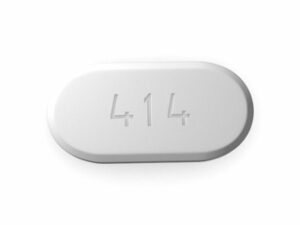

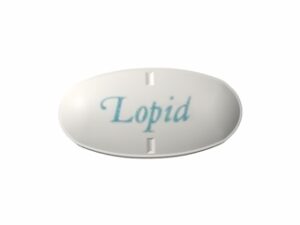
Gemfibrozil: Patient Information for Australia
Basic Product Information
| International Nonproprietary Name (INN) | Gemfibrozil |
|---|---|
| Australian Brand Names | Gemfibrozil Sandoz, Lopid |
| ATC Code | C10AB04 |
| Available Forms and Strengths | Tablets: 600 mg |
| Manufacturers | Sandoz Pty Ltd, Viatris Pty Ltd (formerly Mylan Australia) |
| Prescription Status | Prescription Only Medicine (Schedule 4, S4) |
Mechanism of Action
For Patients: Gemfibrozil belongs to a group of medicines called fibrates. It works mainly by reducing levels of unhealthy fats (triglycerides) in your blood and slightly increasing your “good” cholesterol (HDL). By lowering these fats, Gemfibrozil helps reduce your risk of developing heart disease, pancreatitis, and other fat-related conditions.
For Specialists: Gemfibrozil is a peroxisome proliferator-activated receptor alpha (PPARα) agonist. It enhances the oxidative breakdown of fatty acids, reduces triglyceride synthesis, and inhibits hepatic uptake of free fatty acids. The drug also promotes increased expression of lipoprotein lipase, further lowering plasma triglyceride levels and modestly increasing HDL-C concentrations.
Pharmacokinetics
- Absorption: Rapidly absorbed after oral administration; peak plasma concentrations within 1–2 hours.
- Distribution: Highly bound to plasma proteins (~98%).
- Metabolism: Extensively metabolised in the liver via oxidation pathways.
- Elimination: Primarily eliminated via urine as unchanged drug and metabolites. Half-life: approximately 1.5 hours.
- Duration of Action: Requires regular twice-daily dosing for optimal lipid control.
Everyday Use and Best Practices
Gemfibrozil is usually prescribed for adults who have high levels of cholesterol or triglycerides, especially when lifestyle changes alone (diet, exercise, stopping smoking) haven’t been effective. It is often taken alongside advice on a balanced, heart-healthy diet typical to English habits (such as the Mediterranean diet, increased plant intake, and lower saturated fat consumption).
- Typical dose: 600 mg twice daily (morning and evening), 30 minutes before meals.
- Tablets should be swallowed whole with a glass of water.
- It is important to take Gemfibrozil at the same time each day for best results.
- Do not stop or change the dose unless directed by your GP or pharmacist.
Gemfibrozil is not a substitute for healthy lifestyle measures. Continue with your recommended diet and regular physical activity as prescribed by your healthcare team.
Dosing: Morning vs Evening
- Morning Dose: Helps target elevated fasting triglyceride levels, especially after overnight fasting.
- Evening Dose: Aids in maintaining consistent blood levels and lowering postprandial (after eating) lipid spikes.
- Regularity is key: take doses 12 hours apart, ideally before breakfast and before your evening meal.
- Tip: Set phone reminders or link doses to regular habits (e.g., tooth brushing) to help maintain consistency.
Taking with Food or on an Empty Stomach
For best absorption and minimisation of side effects, Gemfibrozil should be taken 30 minutes before meals—typically before breakfast and dinner. This helps the medicine work effectively and reduces stomach upset.
In the context of Australian dietary habits:
- Follow advice to have regular-sized meals and avoid high saturated/fried foods.
- If you experience nausea or discomfort, discuss with your doctor/pharmacist – but never take Gemfibrozil after eating to avoid reduced absorption.
Interaction Warnings
| Type | Details | What to Do |
|---|---|---|
| Other Medicines |
| Always inform your GP or pharmacist about all medicines you take. |
| Food | Certain high-fat meals may reduce absorption. | Take 30 min before meals as prescribed. |
| Alcohol | Alcohol increases triglycerides and may worsen side effects (e.g., liver). | Limit or avoid alcohol consumption. |
Indications for Use
| Approved (TGA) | Common Off-label |
|---|---|
|
|
Dosing According to Indication and Age
| Clinical Situation | Adults | Elderly | Children/Adolescents |
|---|---|---|---|
| Standard dyslipidaemia | 600 mg twice daily | 600 mg twice daily (monitor renal function) | Not routinely recommended; consult specialist |
| Renal impairment | Use with caution; lower dose may be needed | Cautious use; monitor closely | Generally avoided |
| Hepatic impairment | Contraindicated | Contraindicated | Contraindicated |
Note: Always follow instructions from your healthcare provider and attend any recommended blood tests to monitor your response and safety.
Safety Profile and Side Effects
| Frequency | Side Effect |
|---|---|
| Common (>1%) |
|
| Less Common (0.1–1%) |
|
| Rare (<0.1%) |
|
| Warnings |
|
Guidelines for Proper Use
- Never exceed your prescribed dose.
- Attend regular check-ups for monitoring blood lipids and liver or kidney function.
- Let your pharmacist know if you start any new medication—including over-the-counter or herbal supplements.
- If you forget a dose, take it as soon as remembered, but do not double up.
- Store at room temperature, away from moisture and direct sunlight—safe for typical Australian home conditions.
- Keep out of reach of children and pets.
Alternative Treatment Options
- Statins (e.g., atorvastatin, simvastatin):
- Pros: Proven reduction in cardiovascular risk, once-daily dosing.
- Cons: Rare muscle/liver effects, less effective at lowering triglycerides compared to Gemfibrozil.
- Other Fibrates (e.g., fenofibrate):
- Pros: Similar triglyceride-lowering effect, sometimes better HDL improvement.
- Cons: May not suit all patients due to differences in metabolism/side effects.
- Ezetimibe:
- Pros: Well-tolerated, can be combined with statins.
- Cons: Less effective on triglycerides.
- Omega-3 fatty acids (prescription):
- Pros: Effective lowering of triglycerides for some groups.
- Cons: Less impact on cholesterol, may require high doses.
Note: These alternatives may be subsidised under the Pharmaceutical Benefits Scheme (PBS). Consult with your healthcare provider to choose the most appropriate medicine for you.
Legal, Registration, and Reimbursement Status in Australia
- Regulation: Approved by the Therapeutic Goods Administration (TGA).
- Prescription Requirements: Schedule 4 (S4) – available only via valid prescription from an Australian registered health professional.
- Reimbursement: Gemfibrozil is subsidised for some indications under the PBS. Discuss eligibility and costs with your doctor or pharmacist.
- Current Brand Registration: Gemfibrozil Sandoz, Lopid (as of 2024).
Latest Research and Clinical Guidance (2022–2025)
- Primary Prevention: Recent Australian and international guidelines continue to reserve fibrates like Gemfibrozil primarily for severe hypertriglyceridaemia or statin intolerance (see NPS MedicineWise, 2022).
- Combination Therapy: A 2023 meta-analysis (J Am Coll Cardiol) found that combination of statins and fibrates increases muscle toxicity risk but can further reduce cardiovascular events in high-risk individuals—caution and close monitoring required.
- Additional Benefits: Research highlights potential additional benefits for patients with metabolic syndrome, especially those with high triglyceride and low HDL profiles.
- For complete recommendations, see the 2023 Australian Prescriber Lipid Management Guidelines and TGA safety updates.
Availability and Delivery
| Pack Size | Tablets per Pack | Indicative PBS Price (as of 2024) |
|---|---|---|
| Small | 60 tablets | $33.90 (may be lower with concession card) |
| Large | 120 tablets | $62.80 (may be lower with concession card) |
| Major City | Estimated Pharmacy Delivery Time | Postal Delivery Time (from leading Australian online pharmacy) |
|---|---|---|
| Sydney | Within 24 hours (in stock) | 1–3 business days* |
| Melbourne | Within 24 hours (in stock) | 1–3 business days* |
| Brisbane | Within 24 hours (in stock) | 2–4 business days* |
| Perth | 1–2 days (check stock) | 3–5 business days* |
| Adelaide | 1 day | 2–4 business days* |
*Actual postal delivery depends on order time, stock status, and service provider.
Frequently Asked Questions (FAQ) about Gemfibrozil
- How long will I need to take Gemfibrozil?
Most patients need long-term or even lifelong treatment to keep blood lipids controlled. Your doctor will assess your ongoing need at regular intervals. - Can I take Gemfibrozil with other cholesterol medicines?
Sometimes, but not always. Certain combinations (such as with statins) may increase side effect risks. Always discuss medication changes with your GP or pharmacist. - What should I do if I miss a dose?
Take the missed dose as soon as you remember, unless it is close to your next dose—then skip and resume as usual. Never take two doses together. - Will I need regular blood tests?
Yes; your doctor will arrange blood tests to check your cholesterol, triglyceride, liver, and kidney function. This ensures safe and effective treatment. - Can I buy Gemfibrozil without a prescription in Australia?
No. Under Australian law, Gemfibrozil is a prescription-only medicine (S4). You must see your doctor and get a valid prescription to purchase it from a pharmacy.
If you have any further questions about Gemfibrozil, please contact your local pharmacist or healthcare provider for personalised advice tailored to your health needs.