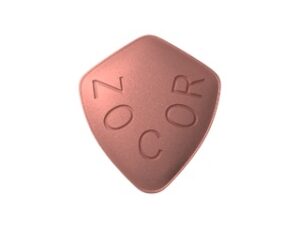

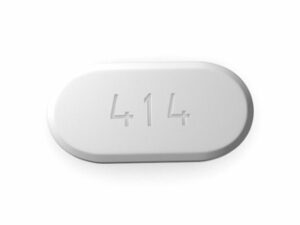

Fenofibrate: Patient Information Leaflet for Australia
Basic Product Information
| International Non-Proprietary Name (INN) | Fenofibrate |
|---|---|
| Australian Brand Names | Lipidil®, Tricor®, Cholex®, Fenofibrate Sandoz®, Apo-Fenofibrate® |
| ATC Code | C10AB05 |
| Available Forms & Strengths | Tablets (e.g. 48 mg, 145 mg), capsules (e.g. 67 mg, 200 mg, 267 mg), extended-release tablets and capsules |
| Manufacturers | Abbott Australia, Sandoz, Apotex, Arrow Pharma, others |
| Prescription Status | Prescription only medicine (Schedule 4: Prescription Only Medicine, S4) |
Mechanism of Action
Simple explanation: Fenofibrate helps to lower levels of unhealthy fats (such as triglycerides and “bad” cholesterol) in your blood, and can increase “good” cholesterol. It works by helping your body break down fats more efficiently. This reduces the risk of heart disease, stroke, and pancreatitis.
Specialist details: Fenofibrate is a fibric acid derivative that activates peroxisome proliferator-activated receptor alpha (PPAR-α). This activation increases beta-oxidation of fatty acids in the liver and skeletal muscle and increases the synthesis of lipoprotein lipase, leading to increased clearance and reduced production of triglyceride-rich lipoproteins (VLDL). It also reduces apolipoprotein C-III and increases apolipoprotein A-I and A-II, raising HDL cholesterol. Fenofibrate has additional anti-inflammatory and anti-atherogenic effects.
Pharmacokinetics
- Absorption: Rapidly absorbed after oral administration, especially when taken with food (bioavailability 60–90%).
- Metabolism: Fenofibrate is hydrolysed to the active form, fenofibric acid, in tissues and plasma by esterases; extensively metabolised in the liver.
- Elimination: Mainly excreted in urine as fenofibric acid and related metabolites; elimination half-life is 20 hours (range 20–27 hours).
- Duration of action: Effects last throughout the day with regular dosing.
Use in Everyday Life and Best Practices
Fenofibrate is usually used alongside dietary changes and exercise to help control:
- High cholesterol (dyslipidaemia, hypercholesterolaemia)
- High triglycerides (hypertriglyceridemia)
- Combined (mixed) dyslipidaemia
Typical doses in Australia:
- 145 mg once daily (most common adult dose)
- Doses may be adjusted based on your specific condition and how your body responds
- Always take Fenofibrate exactly as your doctor or pharmacist tells you
Dosing in the Morning vs Evening
Fenofibrate can generally be taken at any time of day, but it is recommended to take it at the same time every day to help remember your dose and maintain steady levels in your body.
- Morning dosing: Commonly recommended if it fits best with your routine. Can help you remember your medication with your breakfast (when food also aids its absorption).
- Evening dosing: Acceptable, especially if aligned with regular dinner. Less commonly needed for Fenofibrate compared with some cholesterol-lowering medicines (e.g. statins).
- Consistency is key: Choose a time you will remember and stick to it. Avoid missing doses by establishing a routine, for example by linking with other daily tasks.
Taking with Food or On an Empty Stomach
Fenofibrate is best taken with or after food, especially a main meal such as breakfast or dinner. Food increases absorption, helping the medicine work better. In Australia, taking it with a meal that fits your usual diet—such as cereal and milk at breakfast, or a balanced dinner—is recommended.
- If you forget a dose and it’s close to the next one, skip the missed dose—do not double up.
- Consult your doctor if you have trouble managing your medication or have digestive issues.
Interaction Warnings
| Interaction | Advice | Australian Example/Brand |
|---|---|---|
| Other cholesterol medicines (e.g. statins) | Risk of muscle damage. Use only under close medical supervision. | Atorvastatin (Lipitor®), Rosuvastatin (Crestor®) |
| Anticoagulants (blood thinners) | Risk of bleeding. Close monitoring and possible dose adjustment required. | Warfarin, Apixaban (Eliquis®) |
| Certain diabetes medicines | Risk of low blood sugar. Monitor glucose closely. | Gliclazide (Diamicron®), insulin |
| Immunosuppressants | Increased risk of kidney problems. Avoid unless essential. | Ciclosporin (Neoral®), Tacrolimus |
| Alcohol | May increase risk of liver or muscle problems. Limit alcohol consumption. | Any |
| Grapefruit juice | Not a major concern, but best to check with your GP about diet and interactions. | Fresh or bottled grapefruit juice |
Indications
| Indication | Official (TGA approved) | Off-label (may be used) |
|---|---|---|
| Severe hypertriglyceridaemia | ✔ | - |
| Mixed dyslipidaemia (combined) | ✔ | - |
| Primary hypercholesterolaemia (high LDL Cholesterol) | ✔ | - |
| Prevention of pancreatitis due to high triglycerides | - | ✔ |
| Adjunct to statins in uncontrolled dyslipidaemia | - | ✔ |
Dosing According to Clinical Indications
| Patient Group | Daily Dose | Maximum Dose | Notes |
|---|---|---|---|
| Adults (standard) | 145 mg once daily | 145 mg once daily | Usually taken with food. Lower doses (48 mg) may be used if needed. Dose may vary by product—always follow the label and your doctor’s advice. |
| Elderly (age >65 years) | Start at lowest possible dose | As tolerated (usually up to 145 mg) | Monitor kidney function regularly. Dose reduction may be required in impaired renal function. |
| Paediatric (<18 years) | Not routinely recommended | Not applicable | Only used under specialist supervision in rare cases. |
| Renal impairment | Lower starting dose | Do not exceed recommended for kidney function | Use with caution; regular monitoring essential. |
Safety Profile and Side Effects
| Frequency | Side Effects | Advice |
|---|---|---|
| Common (>1/100) |
| Normally mild and temporary. See your doctor if persistent. |
| Less Common (<1/100) |
| May require medical attention. |
| Rare (<1/1000) |
| Stop the medicine and seek medical help immediately if you develop unexplained muscle pain, dark urine, yellowing of the skin, or abdominal pain. |
Guidelines for Proper Use (Pharmacist/Clinic Advice)
- Always follow your doctor’s and pharmacist’s instructions on how to take Fenofibrate.
- Take the medicine at the same time each day, preferably with or after a main meal.
- Continue eating a healthy, balanced diet (Australian Dietary Guidelines) and remain physically active.
- Do not stop the medication suddenly or adjust your dose without consulting your healthcare provider.
- Regular blood tests are necessary to monitor liver function, kidney function, blood fats, and muscle enzymes.
- Report any unexplained muscle pain, weakness, or dark-coloured urine to your doctor promptly.
- If you miss a dose, take it as soon as you remember unless it is nearly time for your next dose—do not double up.
- Inform your healthcare provider about all other medicines and supplements you are taking.
Alternative Treatment Options
- Statins (e.g. Atorvastatin, Rosuvastatin): Most effective at lowering LDL cholesterol; sometimes used alongside Fenofibrate.
- Ezetimibe (Ezetrol®): Lowers cholesterol by reducing absorption in the gut; less impact on triglycerides.
- Omega-3-acid ethyl esters: For high triglycerides; less effective on cholesterol.
- Bile acid sequestrants: Rarely used due to side effects and interactions.
Each has different pros and cons; your doctor will recommend the best option based on your medical history and risk factors.
Legal, Registration, and Reimbursement Status in Australia
- Regulator: Therapeutic Goods Administration (TGA)
- Prescription requirements: Prescription-only (Schedule 4, S4)
- Reimbursement status: Fenofibrate is subsidised under the Pharmaceutical Benefits Scheme (PBS) for eligible patients with abnormal blood lipid levels meeting specific criteria.
- Registered use: See “Indications” (above); use only as directed and for registered indications unless under specialist advice.
Latest Research and Clinical Guidance (2022–2025)
- Fenofibrate remains well-supported as add-on therapy to statins for persistent mixed dyslipidaemia, according to the 2023 Cardiac Society of Australia and New Zealand (CSANZ) and relevant international guidelines.
- A 2024 meta-analysis (Journal of Clinical Lipidology) reaffirmed efficacy in lowering triglycerides (by 30–50%) and modest HDL cholesterol elevation.
- Recent evidence does not generally support Fenofibrate for primary prevention of cardiovascular events in people without elevated triglycerides or combined risk factors (e.g., ACCORD-Lipid study follow-up).
- Emerging research focuses on potential anti-inflammatory metabolic benefits, but practical use remains lipid reduction.
- Annual review with your GP or specialist is recommended for patients taking long-term Fenofibrate.
Availability and Delivery
| Pack Size | Common Brands | Indicative PBS Price (June 2024) | Estimated Delivery (Sydney, Melbourne, Brisbane, Perth, Adelaide) |
|---|---|---|---|
| 30 tablets/capsules (1 month) | Lipidil®, Tricor® | $16–$25 (PBS co-payment) | 1–3 business days (metro); 3–5 business days (regional/remote) |
| 90 tablets/capsules (3 months) | Sandoz®, Apo-Fenofibrate® | $40–$65 (PBS co-payment) | 1–3 business days (metro); up to 7 days (remote/rural) |
- Available from all major Australia community pharmacies with a valid prescription.
- Most pharmacies offer electronic (eScript) processing and home delivery services.
Frequently Asked Questions (FAQ)
- How long do I need to take Fenofibrate for?
Fenofibrate is often a long-term therapy. Your doctor will regularly review your blood fats and may adjust or stop treatment if your levels improve, or if you develop side effects. - Can I drink alcohol while taking Fenofibrate?
It is best to limit alcohol intake, as both alcohol and Fenofibrate can affect your liver and increase the risk of side effects. Occasional moderate alcohol is generally safe, but discuss with your doctor. - Does Fenofibrate cause weight gain?
Fenofibrate is not associated with weight gain. However, maintaining a healthy diet and active lifestyle is important for best results. - Can I take Fenofibrate if I'm pregnant or breastfeeding?
Fenofibrate is generally not used during pregnancy or breastfeeding. Inform your doctor immediately if you are, or plan to become, pregnant or to breastfeed. - Do I still need to watch my diet and exercise?
Yes. Fenofibrate works best when combined with a healthy, balanced diet and regular physical activity following the Australian Dietary Guidelines.