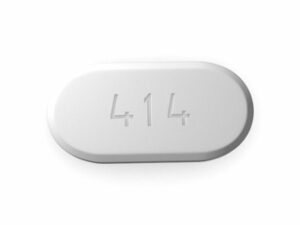
Lopid (Gemfibrozil): Your Guide to Cholesterol Management
Basic Product Information
| International Non-proprietary Name (INN) | Gemfibrozil |
| Brand Names in Australia | Lopid® (main registered brand), Gemfibrozil Sandoz®, others may be available depending on pharmacy |
| ATC Code | C10AB04 |
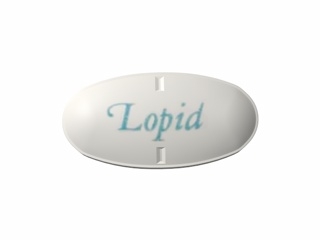
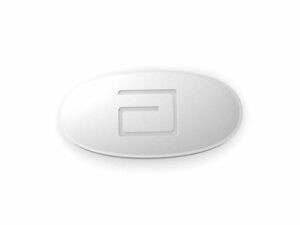
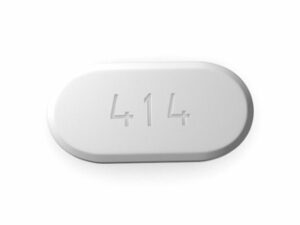
| Available Forms & Strengths | Tablets (600 mg) most commonly supplied |
| Manufacturers | Pfizer Australia Pty Ltd (Lopid®), Sandoz Pty Ltd (Gemfibrozil Sandoz®) |
| Prescription Status | Prescription only (Schedule 4 medication in Australia) |
Mechanism of Action
- In simple terms: Gemfibrozil helps lower high cholesterol and triglyceride (fat) levels in your blood. It acts mainly by increasing the amount of 'good' cholesterol (HDL-C) while reducing 'bad' cholesterol (LDL-C) and triglycerides.
- For healthcare professionals: Gemfibrozil is a fibric acid derivative. It activates peroxisome proliferator-activated receptor-alpha (PPAR-α), leading to increased lipolysis and elimination of triglyceride-rich particles from plasma. It also modulates apoprotein synthesis, improving HDL-C while reducing VLDL production.
Pharmacokinetics
- Absorption: Rapidly absorbed from the gastrointestinal tract; peak plasma concentrations occur within 1–2 hours after oral administration.
- Metabolism: Mainly metabolised in the liver by oxidation; minor renal elimination of metabolites.
- Elimination: Excreted primarily as metabolites in urine; only a small amount is excreted unchanged.
- Duration of action: Half-life is approximately 1.5 hours; taken twice daily for sustained effect.
Use in Everyday Life and Best Practices
Lopid is prescribed to help manage cholesterol and triglyceride levels, often in people at risk of heart disease, pancreatitis, or who have not responded to other cholesterol-lowering treatments. Use is typically part of a broader approach including changes to diet (such as adopting a heart-healthy Australian diet rich in vegetables, whole grains, and lean protein), regular exercise, and stopping smoking.
- Usual adult dose: 600 mg twice daily (morning and evening), 30 minutes before meals.
- Consistency: Take at the same times every day for best results.
- Unlicensed/off-label use: Not recommended in children unless specifically advised by a specialist.
- Monitor: Regular blood tests (lipid panel and liver function) are required during treatment.
Dosing in the Morning vs. Evening
- Dosing schedule: Lys dosing is 600 mg twice daily, usually before breakfast and before the evening meal—this helps maintain steady levels of the medication in your body.
- Why split dosing? Twice-daily regimen offers better triglyceride and cholesterol lowering efficacy compared to a once-daily regime.
- Tips on regularity: Using a pill organiser or an alarm can help ensure doses aren’t missed. For shift workers, speak to your pharmacist about adapting the schedule.
- Missed dose: Take as soon as remembered if it’s not too close to your next dose; otherwise, skip and continue as normal. Do not double the dose.
Taking with Food or on an Empty Stomach
- Best practice: Lopid should be taken 30 minutes before meals to ensure optimal absorption.
- Effect of food: Taking gemfibrozil with food can decrease the rate—but not the extent—of absorption, potentially reducing its effectiveness.
- Australian dietary habits: Pair dosing times with regular main meals (breakfast and dinner) as these typically anchor the daily eating routine for most Australians.
Interaction Warnings
Lopid can interact with certain medicines, foods, and alcohol. Below is a summary:
| Interaction | Effect/Warning |
| Statins (e.g. simvastatin, atorvastatin) | Increased risk of serious muscle problems—avoid combination or use only with specialist supervision. |
| Anticoagulants (e.g. warfarin) | Increased bleeding risk—dose adjustment and monitoring of INR required. |
| Oral hypoglycaemics (e.g. gliclazide) | May enhance the effectiveness, risking low blood sugar; monitor closely. |
| Ciclosporin | Risk of kidney damage—use with caution and specialist oversight. |
| Alcohol | Can increase the risk of liver problems; moderation or abstinence advised. |
| Grapefruit juice | Not specifically contraindicated, but always check as with other cholesterol medications. |
| Fibrates (other than gemfibrozil) | Not recommended—risk of overlapping side effects. |
Indications (When is Lopid Prescribed?)
| Indication | Status | Notes |
| Type IIb and IV hyperlipidaemia (high cholesterol/triglycerides) | Official (TGA-approved) | When diet and other lifestyle changes have not worked |
| Prevention of pancreatitis in severe hypertriglyceridaemia | Official | For patients at risk of acute attacks |
| Adjunct to dietary management in adults with mixed dyslipidaemia | Official | Most common indication |
| Off-label: specific lipid disorders in children | Specialist advice only | Rare, case-by-case basis |
Dosing According to Clinical Indications
| Population | Recommended Dose | Notes |
| Adults | 600 mg twice daily | Take 30 minutes before breakfast and evening meal |
| Elderly | As above; start at lower dose if there is kidney impairment | Monitor kidney function regularly |
| Children | Not routinely used; specialist direction only | Off-label; dosing varies |
| Patients with kidney disease | Not recommended if severe; dose adjustment for mild-moderate impairment | Consult a specialist |
Safety Profile and Side Effects
- Common side effects (mild):
- Stomach upsets (nausea, vomiting, abdominal pain)
- Indigestion or diarrhoea
- Headache
- Dizziness
- Uncommon/rare but serious:
- Muscle pain, tenderness, or weakness (potentially serious muscle breakdown, especially if used with statins)
- Liver function changes (yellowing of skin/eyes, dark urine)
- Gallstones
- Severe skin reactions (rash, itching, swelling)
- Allergic reactions (swelling of face/lips/tongue, difficulty breathing – call emergency services 000)
- Monitoring: Blood tests needed regularly to check liver function, kidney function, and muscle enzymes (CK/CPK).
- Warnings: Do not use if you have severe liver or kidney disease, gallbladder disease, or are known to be allergic to gemfibrozil.
Guidelines for Proper Use
- Swallow Lopid tablets whole with a glass of water 30 minutes before breakfast and dinner.
- Never abruptly stop Lopid without consulting your doctor, even if cholesterol results improve.
- Report any sudden muscle pain, weakness, or dark-coloured urine to your GP immediately.
- Visit your healthcare provider for regular monitoring while on Lopid, ideally every 3–6 months.
- Store tablets away from moisture, heat, and direct sunlight.
- Maintain a healthy, balanced diet according to Australian Heart Foundation guidelines.
- If you are planning surgery (including dental), tell your doctor or dentist you take Lopid.
Alternative Treatment Options
- Statins (e.g., atorvastatin, simvastatin): The most commonly used lipid-lowering agents. Pros: well tolerated, strong evidence for cardiovascular risk reduction. Cons: Dose-dependent side effects, not suitable for all (e.g. liver disease).
- Ezetimibe: Sometimes used in combination or if statins are not tolerated. Pros: Good for lowering LDL cholesterol, minimal side effects. Cons: Less effect on triglycerides.
- Other fibrates (less commonly used than gemfibrozil): e.g., fenofibrate. Pros: Also effective for high triglycerides, sometimes preferred in type 2 diabetes. Cons: Similar side effects, caution with other cholesterol medicines.
- Omega-3 fatty acids: May be used for mild triglyceride elevation. Pros: Minimal side effects. Cons: Modest effect, not suitable for severe cases.
- PCSK9 inhibitors (e.g., evolocumab, alirocumab): For high-risk patients with resistant cholesterol. Pros: Potent LDL-lowering. Cons: Injectable, expensive, specialist-only.
Legal, Registration, and Reimbursement Status in Australia
- Lopid and other gemfibrozil products are classified as Schedule 4 (Prescription Only) Medicines under Australian law.
- TGA Registration: Registered by the Therapeutic Goods Administration (TGA).
- PBS Reimbursement: Available on the Pharmaceutical Benefits Scheme (PBS) for approved indications (mainly severe hypertriglyceridaemia or when statins are unsuitable).
- Supply: Must be dispensed by a registered Australian pharmacist on prescription.
- Other requirements: Not available over-the-counter. You may need regular reviews for ongoing PBS subsidy.
Latest Research and Clinical Guidance
- 2022–2025 updates: Recent guidance from the Australian National Vascular Disease Prevention Alliance (NVDPA) and Heart Foundation continues to prioritise statins as first-line therapy, with gemfibrozil reserved for cases with severe hypertriglyceridaemia (e.g., to prevent pancreatitis), or when statins are not tolerated.
- Key studies: Evidence suggests gemfibrozil is particularly effective in reducing triglycerides, and may provide modest improvements in cardiovascular outcomes for selected populations, especially when combined with robust diet and lifestyle measures.
- International guidelines (AHA/ACC, 2023): Use fibrates for severe hypertriglyceridaemia (especially >5.6 mmol/L), and as adjunct to statins in selected metabolic syndrome profiles—always weighing interaction risks.
- References:
- Australian Heart Foundation Cholesterol Management Guidelines 2024
- Therapeutic Guidelines: Lipid Management, eTG Complete, 2023–2024
- “Gemfibrozil efficacy: a meta-analysis of cardiovascular outcomes”, European Journal of Preventive Cardiology, 2023
Availability and Delivery
| Pack Size | Contents | Indicative PBS Price (AUD) |
| 30 tablets | 1 month's supply (600 mg BID) | $29.00–$36.00 (PBS co-payment) |
| 100 tablets | 3+ months’ supply | $85.00–$95.00 (private supply) |
| Major City | Delivery Time from Pharmacy (online order) |
| Sydney | 1–2 business days |
| Melbourne | 1–2 business days |
| Brisbane | 2–3 business days |
| Perth | 3–5 business days |
| Adelaide | 2–3 business days |
| Regional NSW, QLD, VIC | 2–6 business days |
Frequently Asked Questions (FAQ)
- 1. What should I do if I miss a dose of Lopid?
If you forget a dose, take it as soon as you remember—unless it’s almost time for your next one. In that case, skip the missed dose and take the next dose at the normal time. Never double up to make up for a missed dose. - 2. Can I take Lopid with other cholesterol-lowering medications?
Only under medical supervision. Some medications, especially statins, can increase the risk of muscle problems when combined with Lopid. Your doctor will guide you on safe combinations and alternative options. - 3. How long will I need to take Lopid?
This depends on your individual cholesterol and triglyceride levels, and how well diet and lifestyle changes work for you. Many people require long-term or even lifelong therapy, with regular reviews by their doctor. - 4. Are there foods or drinks I must avoid?
Avoid excessive alcohol. Maintain a balanced, low-saturated fat diet as recommended by your healthcare provider. Grapefruit juice is not specifically contraindicated with gemfibrozil, but check with your pharmacist regarding any questions about interactions with your specific diet. - 5. What side effects should I look out for?
Report any unexplained muscle pain, tenderness, weakness, or yellowing of the skin/eyes to your doctor promptly. For mild side effects, such as stomach upsets or headaches, mention them at your next review.