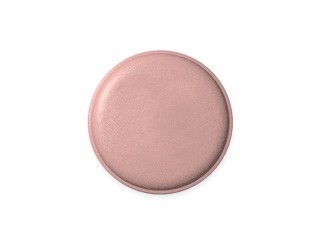


Famotidine: Patient Information for Australia
Basic Product Information
| International Nonproprietary Name (INN) | Famotidine |
|---|---|
| Australia Brand Names | Pepzan®, Ausfam®, Famotidine APO®, Pepcid® (rare), generic famotidine |
| ATC Code | A02BA03 |
| Available Forms & Strengths | Tablets: 20 mg, 40 mg; Oral suspension (rarer, compounded); Injectable solution (hospital use) |
| Manufacturers (Australia) | Alphapharm, Apotex, Sandoz, Arrotex, Mylan, others |
| Prescription Status | Prescription Only Medicine (Schedule 4, S4), not available without a doctor’s order |
How Famotidine Works
For Patients:Famotidine is a medicine called a histamine H2-receptor antagonist (sometimes shortened to “H2 blocker”). It reduces the amount of acid your stomach makes, which helps relieve symptoms of heartburn, stomach pain, and ulcers.
For Specialists:Famotidine competitively inhibits histamine at H2 receptors of gastric parietal cells, leading to reduced basal, nocturnal, and stimulated gastric acid secretion. It does not affect H1 receptors.
Pharmacokinetics
- Absorption: Rapid oral absorption (bioavailability ~40-45%), peak effect within 1–3 hours.
- Metabolism: Minimal hepatic metabolism; largely unchanged in urine.
- Elimination: Renal excretion (up to 70% unchanged); plasma half-life 2.5–3.5 hours.
- Duration of action: Acid suppression for 10–12 hours per dose.
Everyday Use and Best Practices in Australia
Famotidine is generally taken once or twice daily, as advised by your doctor. It is a common therapy for symptoms of reflux, indigestion, and peptic ulcers. For most Australians, tablets are the preferred and accessible form.
- Usual adult dose: 20–40 mg once or twice a day.
- Swallow tablets whole with water; do not crush unless instructed by a pharmacist.
- For children, dose is weight- and condition-dependent (see tables below).
- Complete the full course, even if symptoms improve earlier.
Consult your GP or pharmacist before starting or stopping any acid-blocker.
Dosing: Morning vs Evening
- Once daily evening dosing is often recommended for ulcers or night-time reflux, as stomach acid production is higher at night.
- Morning or split dosing (morning and evening) may be preferred for severe symptoms or certain ulcers.
- Tip: Take at the same time(s) each day to maintain steady acid control and avoid missed doses.
- If you forget a dose, take it as soon as you remember. Skip if almost time for next dose – never double up.
Food and Famotidine: What Patients Should Know
- Can be taken with or without food. Meals do not significantly change its absorption or effect.
- Many Australians take famotidine before meals to prevent reflux after eating, though it’s not essential.
- There is no major interaction with typical Australian foods (including dairy, cereals, or legumes).
- Avoid spicy, fatty, or acidic foods if they aggravate your symptoms – famotidine won’t “protect” against all triggers.
Interactions: Medicines, Foods, Alcohol
| Product/Food | Interaction / Effect | Advice |
|---|---|---|
| Other acid medicines (antacids, PPIs) | May reduce or alter effect; some need separate timing. | Check with your doctor or pharmacist before combining. |
| Warfarin, phenytoin, theophylline | Famotidine is low risk, but monitor for increased drug concentrations if taking high doses. | Monitor as instructed by GP, especially if elderly or unwell. |
| Ketoconazole, atazanavir | Reduced absorption if stomach acid is suppressed. | Take these drugs at least 2 hours before famotidine, or discuss alternatives. |
| Alcohol | No direct interaction, but alcohol may worsen stomach or reflux symptoms. | Best to avoid or moderate alcohol intake. |
| Food (general) | No significant impact on effect. | Take at times suitable to your routine and symptoms. |
Indications for Use
| Indication | Official Status (TGA/PI) | Notes / Typical Use |
|---|---|---|
| Peptic ulcer (stomach/duodenal) | Approved (PBS) | Healing and prevention of ulcers |
| Gastro-oesophageal reflux disease (GORD/GERD) | Approved | Short- and long-term therapy of reflux and heartburn |
| Zollinger-Ellison syndrome (high acid production) | Approved | Specialist management |
| Prevention of heartburn/indigestion from NSAIDs | Off-label / specialist | By specialist advice if other methods not suitable |
| Allergic reactions (urinary tract, rare) | Off-label | Specialist use only |
Dosing by Clinical Indication
| Indication | Adults (18–64 yrs) | Children | Elderly (65+ yrs) | Notes |
|---|---|---|---|---|
| GORD (reflux) | 20 mg twice daily or 40 mg once nightly | 0.5–1 mg/kg twice daily* | Start at lowest adult dose. Adjust for kidney function | Adjust dose for severe symptoms. Review after 4–8 weeks. |
| Peptic ulcer | 40 mg once nightly or 20 mg twice daily | 0.5–1 mg/kg twice daily* | Lower dose if reduced kidney function | Course typically 4–8 weeks |
| Zollinger-Ellison syndrome | Initially 20 mg every 6 hours. Adjust by specialist. | Specialist advice | As adult/specialist | Specialist monitoring |
*Paediatric doses should always be prescribed and reviewed by a paediatrician or paediatric-trained GP.
Safety Profile & Side Effects
| Frequency | Side Effect | Advice |
|---|---|---|
| Common (>1%) | Headache, diarrhoea/constipation, dizziness, tiredness, dry mouth | Usually mild and short-lived. Discuss troublesome symptoms with your GP. |
| Less common | Rash, muscle aches or cramps, mood changes | See a doctor if new or worsening symptoms develop. |
| Rare | Confusion (elderly), irregular heart rhythm, severe allergic reactions | Seek urgent medical advice if severe symptoms occur (e.g. swelling, shortness of breath). |
| Long-term use | Low risk of vitamin B12 deficiency, bowel infection (Clostridioides difficile) | Have regular GP check-ups if on long-term acid suppression. |
Guidelines for Proper Use: Australian Pharmacy Advice
- Only take famotidine for as long as advised by your doctor.
- If you need ongoing acid control, your doctor may review your need after 4–8 weeks.
- Tell your healthcare team about all other medications and supplements you use.
- Monitor for side effects, especially in the elderly or frail.
- For women, tell your doctor if you are pregnant, planning pregnancy, or breastfeeding.
- Store at room temperature, out of direct sunlight and away from children.
- Do not use beyond the expiry date printed on the packaging.
- If you miss a dose, take the next as scheduled—do not double up.
Alternative Treatment Options in Australia
- Proton pump inhibitors (PPIs) (e.g. omeprazole, esomeprazole, pantoprazole): Even stronger acid suppression. PBS-listed. Suitable for more severe symptoms. May risk side effects with long-term use (fractures, infection).
- Other H2-blockers (e.g. ranitidine; note: withdrawn in Australia for impurity concerns), nizatidine: Famotidine is now the H2-blocker of choice due to best safety evidence.
- Antacids and alginates (e.g. Gaviscon®, Mylanta®): Good for quick relief, but less suitable for long-term symptom control.
- Non-drug options: Weight loss if overweight, elevating head of bed, dietary adjustment, stop smoking, reduce alcohol.
Your doctor or pharmacist can advise which option is most suitable and whether it is subsidised by the PBS (Pharmaceutical Benefits Scheme).
Legal, Registration, and Reimbursement Status in Australia
- Regulated by the TGA (Therapeutic Goods Administration)
- Available as a Schedule 4 (S4) prescription-only medicine—cannot be purchased over the counter.
- PBS-listed for peptic ulcer and reflux indications on valid prescription (standard PBS co-payment applies)
- Subsidised for eligible indications only; check status with your pharmacist
Latest Research and Clinical Guidance (2022–2025)
- Famotidine is increasingly used as the preferred H2 blocker following concerns over ranitidine safety (TGA, 2022–2023).
- Latest guidelines (GESA, RACGP 2023) recommend PPIs for severe reflux, reserving famotidine for mild-moderate symptoms or when PPIs are unsuitable.
- Studies in 2022–2024 show low risk of serious side effects with appropriate use, and it is suitable for long-term therapy under supervision.
- There is no Australian or international evidence that famotidine is effective for treating or preventing COVID-19, despite some early speculation (BMJ, 2023).
References available on request from your pharmacist or at the TGA and NPS MedicineWise websites.
Availability, Pricing, and Delivery
- Famotidine is available at most Australian community pharmacies on prescription.
- Popular pack sizes: 30 and 60 tablets (20 mg or 40 mg strength)
- Price: PBS co-payment (approx. AUD $32.70 general; $7.30 concession, 2024) or private cost for non-PBS use. Prices vary by pharmacy.
| City | Estimated Pharmacy Delivery Time | Notes |
|---|---|---|
| Sydney, Melbourne, Brisbane | Same day to 24 hours | Most pharmacies stock famotidine |
| Perth, Adelaide, Gold Coast | 1–2 business days | Stock usually available locally |
| Regional & Rural | 2–5 business days | Phone pharmacy to confirm before travel or order |
Frequently Asked Questions (FAQ)
- Can I take famotidine long-term?
Famotidine is generally safe for long-term use under supervision. Your doctor will check you regularly, particularly if you have other medical conditions or use it for more than 3–6 months. - What do I do if I miss a dose?
Take it as soon as you remember unless it is nearly time for your next dose. Do not double up doses—continue as normal. - Is famotidine safe in pregnancy and breastfeeding?
Famotidine may be used if clearly needed, but only under medical supervision. Your doctor will weigh the benefits and risks for you and your baby. - Can I drink coffee, tea, or alcohol with famotidine?
You can have tea and coffee, but if caffeine triggers your reflux or stomach pain, try to reduce your intake. Alcohol is best avoided or limited as it may worsen symptoms, though famotidine itself does not interact with alcohol. - Who should not take famotidine?
People with known allergy to famotidine or other H2 blockers, certain rare genetic kidney/metabolic conditions, or those with severe kidney disease (unless dose is reduced). Tell your doctor about all your allergies and health problems.
If you need more information: Ask your GP or local Australian pharmacist for independent, evidence-based advice about famotidine use.