
Cytotec (Misoprostol): Comprehensive Patient Information for Australia
Basic Product Information
| International Non-proprietary Name (INN) | Misoprostol |
|---|---|
| Brand Names in Australia | Cytotec, Gymiso, MisoOne, Misoprostol Sandoz |
| Anatomical Therapeutic Chemical (ATC) Code | A02BB01 |
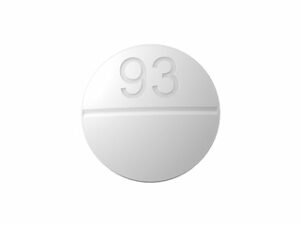
| Available Forms & Strengths | Tablets: 200 micrograms |
| Manufacturers | Pfizer, Sandoz, local licensed generics |
| Prescription Status | Prescription Only Medicine (Schedule 4, S4) |
Mechanism of Action
For patients: Misoprostol is a medication that mimics a natural hormone in your body called prostaglandin E1. This helps protect the lining of your stomach and can also cause the uterine muscle to contract. It is mainly used to prevent stomach ulcers and, in certain settings, to manage gynaecological conditions.
For specialists: Misoprostol is a synthetic prostaglandin E1 analogue. It binds to prostaglandin receptors on gastric parietal cells, reducing gastric acid secretion and increasing bicarbonate and mucus production. In the reproductive tract, it induces myometrial contractions and cervical softening by interacting with prostaglandin receptors.
Pharmacokinetics
- Absorption: Rapidly absorbed in the gut after oral administration.
- Metabolism: Extensively metabolised in the liver to active misoprostol acid.
- Elimination: Excreted mainly in urine; onset of action within 20–30 minutes.
- Duration: Biological half-life of approximately 20–40 minutes; clinical effects may last for up to 2–4 hours.
Use in Everyday Life and Best Practices
Misoprostol is typically prescribed for:
- Prevention of stomach ulcers in people taking NSAIDs (such as ibuprofen) long-term.
- In obstetrics and gynaecology (as directed by a specialist): medical management of miscarriage, medical abortion (in combination with mifepristone), or to induce labour.
- Always use misoprostol precisely as prescribed by your doctor or pharmacist.
- Swallow the tablet whole with water, unless otherwise directed.
- If you miss a dose, take it as soon as possible unless it is nearly time for your next dose.
- Do not double-up doses.
Dosing in the Morning vs Evening
Morning dosing:
- May help with remembering your schedule, especially if you already take other morning medicines.
- Some users report less stomach upset after a meal.
- May be advised in obstetric use or where the dosing interval suits an evening schedule.
- Some experience increased gastrointestinal side effects at night. Discuss with your doctor for personalisation.
- Take at the same time each day for best effect.
- Setting a phone reminder or linking with a daily habit (brushing teeth) may help with remembering doses.
Taking with Food or on an Empty Stomach
Misoprostol can be taken with or without food. However, taking it with food or after a meal is recommended, especially in the Australian context where a balanced diet is common, because this may help reduce chances of stomach upset or diarrhoea, which are common side effects. There are no specific food restrictions with misoprostol, but avoid fatty or spicy meals if these trigger gastrointestinal discomfort for you.
Interactions
| Interaction | Outcome | Advice |
|---|---|---|
| Antacids (especially those containing magnesium) | Increased risk of diarrhoea | Use an alternative antacid or separate doses |
| NSAIDs | Normally co-prescribed to protect stomach | Follow doctor's advice |
| Alcohol | May increase risk of stomach upset | Limit or avoid alcohol use |
| Other prostaglandin analogues | Possible increased risk of side effects | Use with caution and medical supervision |
Indications
| Indication | Status | Notes |
|---|---|---|
| Prevention of NSAID-induced gastric ulcers | Approved | Primary indication in Australia |
| Medical management of miscarriage | Widely used off-label | In clinics/hospitals by specialists |
| Medical termination of pregnancy (with mifepristone) | Approved | Under specialist supervision |
| Labour induction | Off-label/hospital protocols | Strictly inpatient use for clinical reasons |
Dosing According to Clinical Indication
| Indication | Adult Dose | Paediatric Dose | Elderly Dose |
|---|---|---|---|
| Gastric ulcer prevention | 200 mcg 2–4 times daily | Not routinely used | As adult, monitor renal function |
| Medical abortion (with mifepristone) | 800 mcg (4 × 200 mcg tablets) buccally/vaginally 24–48h after mifepristone | Individual specialist protocol | As adult, but individual risks assessed |
| Miscarriage management | 400–800 mcg (route varies) per protocol | Individual specialist protocol | As adult, with monitoring |
Safety Profile and Side Effects
Common side effects:- Diarrhoea (often mild, but may be bothersome)
- Abdominal pain or cramps
- Nausea or vomiting
- Flatulence
- Headache
- Allergic reactions (skin rash, itching, swelling)
- Heavy vaginal bleeding (with gynaecological use)
- Hypotension (very rare)
- Fever, chills
- Do not take if you are or may be pregnant, unless specifically prescribed for gynaecological purposes by your doctor.
- Use caution if you have pre-existing bowel disease, dehydration, or cardiovascular disease.
- Seek immediate medical attention for signs of allergy (difficulty breathing, facial swelling) or severe bleeding.
Guidelines for Proper Use
- Store below 25°C, away from light and moisture.
- Keep out of reach of children.
- Do not share misoprostol with others, even if their symptoms are similar.
- If used for reproductive health, have access to support and a follow-up with your healthcare provider.
- In rural or remote areas: Ask your pharmacist about local delivery options or telehealth guidance for follow-up.
- Dispose of unused tablets through your pharmacy’s returned medicines program (RUM Project).
Alternative Treatment Options
- Proton Pump Inhibitors (PPIs): E.g., omeprazole, esomeprazole, pantoprazole (PBS-reimbursed; highly effective for ulcer prevention; fewer gastrointestinal side effects than misoprostol; not suitable for pregnancy management)
- H2-Receptor Antagonists: E.g., ranitidine (limited access due to TGA recall), famotidine (less effective than PPIs/misoprostol for NSAID-induced ulcers)
- Mifepristone (with/without misoprostol): Standard for medical abortion, requires specialist prescribing and PBS authority.
- Surgical intervention: Sometimes necessary for miscarriage or abortion when medical management fails or is contraindicated.
- Pros & Cons Table:
Option Pros Cons Misoprostol Effective, oral administration, dual uses (ulcer protection and reproductive) GI side effects, not for all patient groups PPIs Well-tolerated, highly effective for ulcers Not used for reproductive indications; potential long-term effects Surgery Definitive for miscarriage/abortion where medical fails Risks of anaesthesia, invasive
Legal, Registration, and Reimbursement Status in Australia
- Approved by: Therapeutic Goods Administration (TGA)
- Prescription status: S4 (Prescription Only)
- Reimbursement (PBS): Covered for certain indications (e.g., medical abortion in combination with mifepristone, ulcer prophylaxis in high-risk NSAID users)
- Dispensing: Only through TGA-approved pharmacies and clinics; additional safeguards and protocols for reproductive use
Latest Research & Clinical Guidance (2022–2025)
- 2023 TGA and Royal Australian and New Zealand College of Obstetricians and Gynaecologists (RANZCOG) reinforce misoprostol as gold standard adjunct for medical termination of pregnancy and miscarriage management.
- Recent studies highlight improved comfort and decreased adverse outcomes with buccal/vaginal versus oral routes for gynaecological uses.
- Australian guidelines recommend shared decision-making and close follow-up when used for reproductive indications, especially in rural and remote areas (see: Australian Prescriber, 2023; RANZCOG guidance).
Availability and Delivery
| Popular Pack Size | Indicative Price (AUD) | Delivery Time (Business Days) |
|---|---|---|
| 28 tablets × 200 mcg | $34 – $59 (PBS price may be lower) | Sydney: 1-2; Melbourne: 1-2; Brisbane: 2-3; Perth: 3-4; Adelaide: 2; Rural/Remote: 3-5 |
Availability may vary. It is dispensed strictly on prescription and is subject to pharmacist verification of appropriate indication, especially for reproductive use.
Frequently Asked Questions (FAQ)
- Q1: Is it safe to take misoprostol if I plan to become pregnant?
A: No. Misoprostol may cause harm during pregnancy unless specifically prescribed for medical reasons such as miscarriage management or medical abortion under specialist care. Always discuss your pregnancy plans with your doctor before starting this medicine. - Q2: What should I do if I miss a dose?
A: Take the missed dose as soon as you remember, unless it is almost time for your next dose. Do not take a double dose to make up for a forgotten tablet. If unsure, ask your pharmacist. - Q3: Can I drive after taking misoprostol?
A: Misoprostol does not usually affect your ability to drive. However, if you feel dizzy or unwell, avoid driving or using heavy machinery until symptoms settle. - Q4: Are there foods I should avoid while using misoprostol?
A: There are no foods that directly interact with misoprostol, but taking the medication with food can help reduce stomach upset. Limit alcohol intake as it may aggravate gastrointestinal side effects. - Q5: How do I properly dispose of unused misoprostol tablets?
A: Return any unused or expired tablets to your pharmacy for safe disposal through the RUM (Return Unwanted Medicines) Project. Do not throw tablets in the bin or flush them down the toilet.