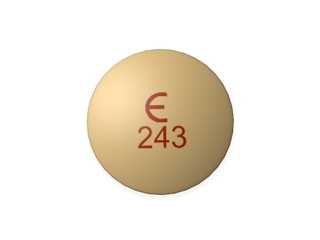

Aciphex (Rabeprazole) – Patient Information for Australia
Basic Product Information
| International Non-proprietary Name (INN) | Rabeprazole sodium |
|---|---|
| Australia Brand Names | Aciphex, Pariet, Acimax, Zorabax |
| ATC Code | A02BC04 |
| Available Forms & Strengths | Gastro-resistant tablets: 10 mg, 20 mg |
| Manufacturers | Janssen-Cilag, Sandoz, Teva, Apotex, and various generics |
| Prescription Status | Prescription Only (S4 medication – Schedule 4, Australia) |
Mechanism of Action
For Patients: Aciphex contains rabeprazole, which belongs to a group of medicines called proton-pump inhibitors (PPIs). It works by reducing the amount of acid your stomach makes, helping to relieve symptoms caused by too much acid, such as heartburn, indigestion, and damage to the food pipe (oesophagus).
For Healthcare Specialists: Rabeprazole irreversibly inhibits the H+/K+-ATPase enzyme system on the surface of gastric parietal cells, thereby suppressing the final step in gastric acid production.
Pharmacokinetics
- Absorption: Rapidly absorbed; bioavailability approx. 52% after oral administration; not significantly affected by food.
- Metabolism: Extensively metabolised in the liver (CYP2C19 and CYP3A4 pathways).
- Elimination: Excreted mainly via urine (around 90%) as metabolites; a minor proportion via faeces.
- Duration of Action: Acid suppression lasts up to 24 hours with once-daily dosing.
Use in Everyday Life and Best Practices
Aciphex is commonly prescribed for heartburn, gastro-oesophageal reflux disease (GORD), peptic ulcers, and for prevention of stomach ulcers in patients taking certain medicines such as NSAIDs. In Australia, it is a widely used option when symptoms persist despite changes in diet or lifestyle.
- Typical Doses: Adults usually take 10 mg or 20 mg once daily, depending on the condition.
- How to Use: Swallow tablets whole with water. Do not crush or chew. Usually taken short-term (2–8 weeks), but some may require longer treatment as advised by a doctor.
- English Context: Often part of a treatment plan including advice on diet (e.g. reducing spicy or fatty foods) and quitting smoking.
Dosing in the Morning vs Evening
- Morning Dosing: Most effective; the majority of patients see the best acid suppression when rabeprazole is taken in the morning before eating.
- Evening Dosing: May help some patients with persistent night-time symptoms; however, clinical evidence supports morning use for most indications.
- Tips for Regularity: Take at the same time each day to maintain consistent acid control. Set a daily alarm as a reminder.
Taking with Food or on an Empty Stomach
Rabeprazole can be taken with or without food, but absorption may be slightly better when taken before a meal. In the Australian context, a typical breakfast (e.g., cereal, toast, fruit) is suitable after taking your tablet. Avoid skipping doses even if your meal timing changes.
Interaction Warnings
| Interaction | Details / Advice |
|---|---|
| Food | Minimal effect, but best taken before a meal for optimal effect. |
| Alcohol | No direct interaction, though alcohol can increase stomach acid and worsen symptoms of reflux or ulcers. |
| Other Medications |
|
| Supplements | Long-term use may reduce absorption of magnesium, calcium, and vitamin B12. Consider regular monitoring or dietary advice. |
Indications
| Official (TGA Approved) | Off-Label / Unlicensed |
|---|---|
|
|
Dosing According to Clinical Indication
| Indication | Adults | Elderly | Children* |
|---|---|---|---|
| GORD (initial treatment) | 20 mg once daily (4–8 weeks) | Same as adults | Not routinely recommended under 12 years |
| Maintenance therapy | 10–20 mg once daily | Same as adults | Specialist only |
| Peptic ulcer | 20 mg once daily (4–8 weeks) | Same as adults | Specialist only |
| H. pylori eradication (triple therapy) | 20 mg twice daily (7 days with two antibiotics) | Same as adults | Not routinely recommended |
| Zollinger-Ellison syndrome | 60 mg once daily (adjust as needed) | Same as adults | N/A |
*Children & adolescents: Use is off-label and only under specialist care.
Safety Profile and Side Effects
| Frequency | Side Effect |
|---|---|
| Common (≥1/100) | Headache, diarrhoea, constipation, abdominal pain, flatulence, nausea, dizziness |
| Uncommon (≥1/1,000 <1/100) | Rash, dry mouth, sleeplessness, cough, muscle/joint pain, mild liver enzyme elevations |
| Rare (≥1/10,000 <1/1,000) | Severe allergic reactions (angioedema, anaphylaxis), liver problems, Stevens-Johnson syndrome, confusion (especially in the elderly) |
| Other Warnings | Long-term use: Increased risks of bone fracture, low magnesium/vitamin B12, gastrointestinal infection (C. difficile) |
Guidelines for Proper Use
- Always follow your doctor's instructions. Do not increase or reduce your dose without consulting them.
- Continue treatment for the full prescribed period, even if your symptoms improve.
- Ask your pharmacist about any concerns with interactions, especially if taking new medicines or supplements.
- If you miss a dose, take it as soon as you remember, unless it is nearly time for your next dose. Do not double up.
- For Australians travelling interstate or overseas, keep your prescription and a supply of medicine in your hand luggage.
- Return any unused medicines to your pharmacy for safe disposal.
Alternative Treatment Options
Several similar medications are available in Australia, many subsidised by the Pharmaceutical Benefits Scheme (PBS):
- Esomeprazole (Nexium, generics): Slightly different metabolism profile; effective for severe or resistant GORD.
- Omeprazole (Losec, generics): Widely used; similar benefits and side effects.
- Lansoprazole (Somac, generics): Available in comparable strengths.
- Pantoprazole (Somac, generics): May be preferable if you are taking certain other medications (interactions).
- H2 Antagonists (e.g., ranitidine—withdrawn, famotidine): Less potent, suited for mild symptoms or short-term use.
- Antacids (Gaviscon, Mylanta): For occasional relief rather than regular treatment.
Your healthcare provider will recommend the best option based on your condition, other medications, and medical history.
Legal, Registration, and Reimbursement Status in Australia
- Regulatory Authority: Therapeutic Goods Administration (TGA)
- Legal Status: Schedule 4 (S4) – Prescription only
- Reimbursement: Most PPIs including rabeprazole are subsidised for eligible indications under the PBS/Medicare.
- Prescription Requirements: Australian registered medical practitioner prescription required. Repeat prescriptions may be issued.
- Supply: Community pharmacies, hospital pharmacies, and select online services (with valid script).
Latest Research and Clinical Guidance (2022–2025)
- Research Highlights: Recent guidelines from the Gastroenterological Society of Australia (GESA) and international reviews (e.g. NICE, BMJ 2023) recommend continuing PPIs like rabeprazole for the shortest effective duration, with regular review for long-term users.
- Clinical Evidence: Comparative effectiveness reviews continue to support rabeprazole as a safe and effective agent for GORD and ulcer prevention.
- Special Considerations: Caution advised for long-term therapy, particularly in the elderly due to risk of bone fractures and potential nutrient deficiencies (vitamin B12, magnesium).
- Key Publications: Australian Prescriber (2024), BMJ Best Practice (2023), GESA PTGA Guidelines (2023).
Availability and Delivery
| Pack Size | Blister Tablets | Indicative PBS Price* |
|---|---|---|
| 10 mg x 30 | Yes | $20–25 (subsidised) or up to $45 private |
| 20 mg x 30 | Yes | $20–25 (subsidised) or up to $45 private |
| Major City | Estimated Delivery (Business Days) |
|---|---|
| Sydney | 1–2 |
| Melbourne | 1–2 |
| Brisbane | 1–3 |
| Perth | 2–4 |
| Adelaide | 1–3 |
| Hobart, Darwin, Canberra | 2–5 |
*PBS price as at June 2024 (for eligible patients); subject to pharmacy dispensing fees and co-payments. Private pricing may differ.
Frequently Asked Questions (FAQ)
- How long can I safely take Aciphex (rabeprazole)?
Most people use it for 2–8 weeks for GORD or ulcers, but some may need longer for ongoing conditions. Regular reviews with your doctor are important to ensure safe use, especially long-term. - What should I do if I miss a dose?
Take it as soon as you remember unless it's nearly time for the next dose. Do not double up to make up for a missed dose. - Are there any foods I should avoid while taking this medicine?
No specific foods need to be avoided. However, reducing spicy, fatty, or acidic foods and moderating alcohol intake can help manage symptoms alongside medication. - Can I take Aciphex with my regular medicines?
Most medications are safe to use with rabeprazole, but always inform your doctor or pharmacist of all other medicines and supplements you are taking to check for interactions. - Is Aciphex available over the counter?
No – it is prescription only (Schedule 4) in Australia. You will need a valid script from a GP or specialist.