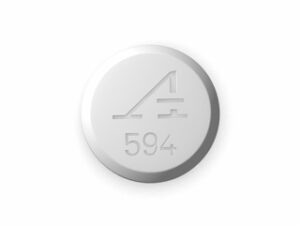
Panadol (Paracetamol): Patient Information & Guidance (Australia)
Basic Product Information
| International Nonproprietary Name (INN) | Paracetamol |
| Australian Brand Names | Panadol, Panadol Rapid, Panadol Osteo, Herron Paracetamol, Chemists’ Own Paracetamol, others |
| ATC Code | N02BE01 |
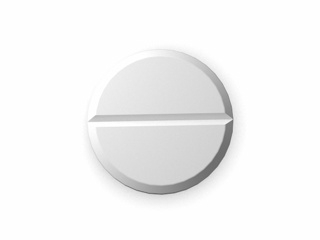
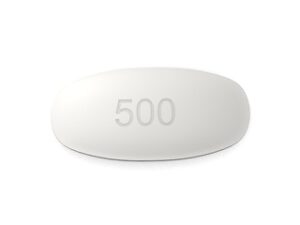
| Available Forms & Strengths | Tablets (500 mg), Caplets (500 mg), Extended-release (665 mg), Oral Suspension (120 mg/5 mL, 250 mg/5 mL), Soluble tablets, Suppositories (125 mg, 250 mg, 500 mg) |
| Manufacturers | GlaxoSmithKline (GSK), Reckitt, Sanofi, generic manufacturers |
| Prescription Status (AU) | Pharmacy Medicine (Schedule 2), available over the counter; high-strength packs (e.g. 665 mg) and certain pack sizes may be Pharmacist Only (Schedule 3) |
Mechanism of Action
Simple explanation: Paracetamol reduces pain (analgesic) and fever (antipyretic) by blocking the production of certain chemicals (prostaglandins) in the brain, which are involved in pain and temperature control.
Specialist overview: Paracetamol acts centrally by inhibiting cyclooxygenase (COX), primarily COX-2, and may also affect descending serotonergic pathways. Unlike NSAIDs, it has minimal anti-inflammatory effect and does not inhibit peripheral COX significantly.
Pharmacokinetics
- Absorption: Rapidly absorbed from the gastrointestinal tract; peak plasma concentrations within 30 minutes to 2 hours.
- Metabolism: Primarily in the liver via conjugation (glucuronidation, sulfation); a small portion forms a reactive metabolite (NAPQI), detoxified by glutathione.
- Elimination: Mostly excreted in urine as glucuronide and sulfate metabolites.
- Duration of action: 4–6 hours (immediate-release); extended formulations up to 8 hours.
Use in Everyday Life and Best Practices
- Typical adult dose: 500–1000 mg every 4 to 6 hours as needed, up to 4g in 24 hours. Do not exceed the recommended dose.
- Pediatric doses: Based on body weight (see dosing table below).
- How to use: Swallow tablets with water. For oral suspensions, use the provided measuring device. Extended-release tablets should not be split or chewed.
- Everyday tips: Suitable for most Australian adults and children (if dosed correctly). Ideal for mild to moderate pain or fever.
Dosing in the Morning vs Evening
- Morning dosing: Can help with daytime pain relief, e.g. headache, muscle pain upon waking. Avoids interference with sleep.
- Evening dosing: Helpful for pain that disturbs sleep, such as osteoarthritis; extended-release forms may provide overnight relief.
- Regularity: Space doses evenly (e.g., every 6 hours) if taking regularly. Never double up doses to make up for missed ones.
- Tips: For persistent pain, develop a routine with advice from your pharmacist or GP; avoid exceeding total daily maximum.
Taking With Food or on an Empty Stomach
- Paracetamol can be taken with or without food.
- Food may slightly delay the onset of action but does not reduce effectiveness.
- Given the Australian diet, taking with a light meal (e.g., a sandwich or fruit) is common practice and helps avoid stomach upset for those with sensitive stomachs.
- It is safe to take on an empty stomach, but if you experience nausea, try with food.
Interaction Warnings
| Substance | Interaction | Advice |
| Alcohol | May increase risk of liver damage | Avoid excessive alcohol while using paracetamol |
| Warfarin & other anticoagulants | Frequent or high-dose paracetamol can increase bleeding risk | Monitor INR if regular use required; consult GP |
| Enzyme inducers (e.g., phenytoin, carbamazepine) | May increase toxic metabolite production | Use with caution; regular liver monitoring may be advised |
| Other medications containing paracetamol | Risk of accidental overdose | Check active ingredients of all medicines (cold/flu, pain, etc.) |
Indications for Use
| Indication | Approved by TGA? | Notes |
| Mild to moderate pain (headache, toothache, muscle aches) | Yes | First-line simple analgesic |
| Fever (pyrexia) | Yes | For short-term fever management in adults/children |
| Osteoarthritis pain | Yes (extended-release only) | For chronic management |
| Post-vaccination fever | Yes | Useful after routine immunisation |
| Low back pain, migraine (off-label) | No | Commonly used, but evidence varies |
Dosing According to Clinical Indications
| Indication | Age/Group | Typical Dose | Maximum Daily Dose | Comments |
| General pain or fever | Adults & children ≥12 years | 500–1000 mg every 4–6 hours | 4000 mg (4 g) | Do not exceed 4 doses in 24 hr |
| General pain or fever | Children (1 month–12 years) | 15 mg/kg every 4–6 hours | 60 mg/kg (max 4 g) | Consult pack or pharmacist for conversion |
| Osteoarthritis | Adults (extended-release) | 665 mg 2 tablets three times daily | 4000 mg (4 g) | Swallow tablets whole |
| Liver or kidney impairment | Adults | As above, but may require dose reduction | Max 2–3 g daily (as advised by doctor) | Consult GP or specialist |
| Elderly | 65+ years | As for adults, but individualise | Often 2–3 g max | Monitor for frailty or comorbidities |
Safety Profile & Side Effects
Panadol is generally well tolerated when used as directed. | Side Effect | Frequency | Warning Signs |
| Nausea, vomiting, abdominal pain | Uncommon | May indicate overdose if severe |
| Allergic reactions (rash, swelling, breathing difficulty) | Rare | Stop medicine and seek urgent medical help |
| Liver injury (with high doses/prolonged use) | Rare, but serious | Yellowing of skin/eyes, dark urine, confusion |
| Blood changes (thrombocytopenia, neutropenia) | Very rare | Unexplained bruising/bleeding, frequent infections |
| Skin reactions (SJS/TEN) | Very rare | Seek urgent help if skin blisters/peeling occur |
- Overdose risks: Taking very high doses can cause life-threatening liver damage; seek help urgently (call 000 or Poisons Information Centre 13 11 26).
- Children: Always use child-resistant packaging and store medicines out of reach.
- Pregnancy and breastfeeding: Safe when used short-term and as directed (see latest recommendations below).
Guidelines for Proper Use
- Read and follow the directions on the pack or provided by your pharmacist.
- Do not exceed the recommended maximum daily dose.
- Be aware that paracetamol is a common ingredient in many cold and flu remedies—add up all sources to avoid overdose.
- If pain or fever persists for more than 48 hours, consult a GP.
- For chronic pain, consider a pain management plan in consultation with your health professional.
- Keep a medication diary if you require regular dosing.
- Dispose of expired or unused medicine at your pharmacy (return unwanted medicines program – RUM Project).
- In the Australian summer, store paracetamol below 30°C out of direct sunlight.
Alternative Treatment Options
- NSAIDs: Ibuprofen (Nurofen), diclofenac – effective for inflammation and pain, but not suitable for everyone (e.g., those with heart, stomach, or kidney issues).
- Non-drug techniques: Heat/cold packs, physiotherapy, mindfulness, gentle exercise (especially for musculoskeletal pain).
- Other analgesics: Aspirin – less commonly used, more side effects. Combination products (with codeine) are now prescription-only and monitored.
- Reimbursement (PBS): Plain paracetamol is inexpensive and widely available; Panadol Osteo (extended-release) may be eligible for PBS subsidy for chronic moderate to severe osteoarthritis, with certain criteria.
| Drug | Class | Pros | Cons |
| Paracetamol | Simple analgesic | Safe, few interactions, widely available | Less effective for severe/inflammatory pain alone |
| Ibuprofen | NSAID | Good for inflammatory pain (muscles, joints) | GI, kidney, heart risks |
| Paracetamol + codeine | Analgesic/opioid | Effective for moderate pain | Prescription-only, risk of addiction, constipation |
| Non-drug therapies | N/A | No systemic side effects | May be less convenient for acute pain |
Legal, Registration, and Reimbursement Status in Australia
- Regulation: Registered with the Therapeutic Goods Administration (TGA).
- Legal status: Pharmacy Medicine – available without prescription in most packs, some forms requiring pharmacist advice (e.g., extended-release).
- PBS reimbursement: Paracetamol extended-release (Panadol Osteo) for eligible chronic conditions; plain paracetamol inexpensive, not usually PBS-listed except in certain settings.
- Pharmacy practice: Consult your pharmacist for safe use and suitability; return unwanted medicines appropriately.
Latest Research & Clinical Guidance (2022–2025)
- Pain management guidelines (RACGP 2024): Paracetamol remains first-line for mild to moderate pain in adults and children; less effective for acute low back pain but modest benefit in osteoarthritis (especially extended-release).
- Paracetamol in pregnancy (2022–2025): Still the preferred simple analgesic/antipyretic; used at the lowest effective dose for the shortest duration; recent reviews (e.g., Banhidy et al., Aust Prescr 2023) find no major safety signal for short-term use.
- Chronic pain management: RACGP and NICE guidelines emphasise a multimodal approach; long-term regular paracetamol alone not routinely recommended for chronic non-cancer pain unless no alternative is tolerated.
- Recent safety reviews: TGA and international agencies reaffirm maximum recommended daily dose (4 g for adults) and advise caution in liver/kidney impairment and in combination products.
References: RACGP Clinical Update (2024), Therapeutic Guidelines: Analgesic 8 (2022), Australian Prescriber 2023; TGA Paracetamol Consultation (2024).
Availability and Delivery
| Product/Strength | Pack Sizes | Indicative Price (AUD) | Delivery (metro) | Delivery (regional) |
| Panadol 500mg tablets | 20, 48, 100 | $3–$10 | 1–2 business days | 2–5 business days |
| Panadol Osteo 665mg | 96, 192 | $8–$15 | 1–2 business days | 2–5 business days |
| Paracetamol Suspension 250mg/5mL | 100 mL, 200 mL | $4–$8 | 1–2 business days | 2–5 business days |
| Suppositories | Box of 10 | $7–$12 | 1–2 business days | 2–5 business days |
- Available at pharmacies, supermarkets, and online retailers across Australia.
- Free or low-fee home delivery from most metro pharmacies; same-day options in capital cities (Sydney, Melbourne, Brisbane).
- Check expiry on pack before use.
Frequently Asked Questions (FAQ)
- Q: Can I take Panadol if I have a sensitive stomach?
A: Yes, paracetamol is generally gentle on the stomach and can be taken with or without food. - Q: Is Panadol safe with other medicines?
A: It is safe with most medicines, but check labels for other products containing paracetamol to avoid overdose. Be cautious if taking warfarin or enzyme-inducing drugs — ask your pharmacist or GP for advice. - Q: Can I use Panadol while pregnant or breastfeeding?
A: While short-term use is considered safe, always use the lowest dose for the shortest period and consult your doctor if unsure. - Q: What should I do if I miss a dose, or take too much?
A: If you miss a dose, take it as soon as you remember, but don’t double up. If you suspect overdose, seek urgent medical attention or call the Poisons Information Centre (13 11 26). - Q: Can children take Panadol?
A: Yes, but strictly at child-appropriate doses—always read the label and check the dosing schedule for your child’s age/weight. Consult a pharmacist for guidance.
For further information, speak with your community pharmacist, general practitioner, or refer to the Consumer Medicine Information (CMI) leaflet provided with the product.