Demadex (Torsemide) – Patient Information for Australia
Basic Product Information
- International Nonproprietary Name (INN): Torsemide
- Australia Brand Names: Demadex, Torem, and generics as “Torsemide Sandoz”, “Torsemide Apotex”
- ATC Code: C03CA04 (Diuretics, high-ceiling, sulfonamides)
- Available Forms and Strengths:
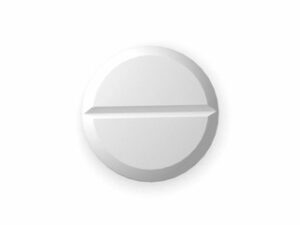
- Tablets: 5 mg, 10 mg, 20 mg
- Solution for injection (hospital use only): 10 mg/2mL ampoules
- Manufacturers: Roche Products Pty Ltd, Sandoz Pty Ltd, Apotex, and other approved manufacturers
- Prescription Status in Australia: Prescription-Only Medicine (Schedule 4; S4 under SUSMP)
Mechanism of Action
For Patients: Torsemide belongs to a group of medicines called loop diuretics or “water tablets.” It helps your body remove extra water and salt by making you pass more urine. This can reduce symptoms of fluid retention (such as swelling) and lower your blood pressure.
For Specialists: Torsemide selectively inhibits the Na+/K+/2Cl− co-transporter in the thick ascending limb of the loop of Henle, enhancing sodium, chloride, and water excretion. It also maintains diuretic efficacy in patients with impaired renal function and exhibits anti-aldosterone properties.
Pharmacokinetics
- Absorption: Rapidly absorbed (bioavailability 80–90%) following oral administration; peak plasma concentration in 1–2 hours
- Metabolism: Primarily metabolised in the liver (CYP2C9 pathway)
- Elimination: Renal and hepatic pathways; half-life approx. 3–4 hours, longer in severe kidney disease
- Duration of Action: Lasts up to 8 hours per dose, with peak diuretic effect at 2–4 hours
Everyday Use and Best Practices
Torsemide is usually taken once daily, as prescribed by your doctor. Typical doses range from 5–20 mg per day for adults. Your pharmacist or prescriber will determine the correct dose and may adjust it depending on your response and kidney function.
Swallow the tablet whole with water at the same time each day. For fluid overload (oedema) due to heart failure, liver disease, or kidney problems, torsemide reliably helps reduce swelling, breathe easier, and assists in blood pressure control. Always follow advice from your Australian doctor or healthcare team.
- Keep a consistent daily schedule to avoid missing doses
- Do not stop taking torsemide suddenly unless directed by your doctor
- If you miss a dose, take it as soon as possible, unless it’s nearly time for your next dose; do not double the dose
- If you have heart failure, weigh yourself regularly and consult your doctor if weight changes suddenly
Dosing – Morning vs Evening
- Morning Dosing: Taking torsemide in the morning reduces the risk of needing to pass urine at night, which helps avoid sleep interruption.
- Evening Dosing: Not usually recommended, unless specifically prescribed (for example, in split dosing by your doctor) because night-time diuresis can disturb rest.
- Tip: If you’re prescribed twice-daily dosing, take the last dose before 6pm.
Taking with Food or on an Empty Stomach
- Torsemide can be taken with or without food. However, taking it with food can help if you have sensitive stomach or nausea.
- There is no clinically significant reduction in effect with meals typical of the Australian diet.
- If you’re on a low-salt diet (commonly advised in Australia for heart or kidney health), continue to restrict added salt.
- Avoid grapefruits and grapefruit juice, as these may affect metabolism of some medications.
Interaction Warnings
| Type | Item | Interaction / Effect |
|---|---|---|
| Food | Grapefruit, liquorice | May increase risk of side effects or alter blood potassium |
| Alcohol | Alcoholic beverages | Risk of increased dizziness, dehydration, low blood pressure |
| Medications | Aminoglycoside antibiotics | Increased risk of kidney/ear toxicity |
| Medications | Lithium | Raised lithium blood levels, possible toxicity |
| Medications | Other diuretics or antihypertensives | May cause excessive blood pressure reduction or salt imbalance |
| Medications | NSAIDs (e.g., ibuprofen, diclofenac) | Reduced diuretic effect, increased kidney risk |
| Herbal | St. John’s Wort | May reduce efficacy by increasing drug metabolism |
Indications
| Indication | Official Use (TGA-approved) | Off-label Use |
|---|---|---|
| Oedema (Fluid Retention) | Yes – heart failure, kidney disease, liver disease | Sometimes in resistant hypertension, post-operative care |
| Hypertension (High BP) | Yes – as an add-on if other drugs are insufficient | Resistant cases, patients intolerant of thiazides |
| Chronic Kidney Disease | Limited – for oedema control | Refractory fluid overload |
Dosing According to Clinical Indications
| Indication | Adults | Paediatric | Elderly |
|---|---|---|---|
| Oedema (Heart Failure, Liver/Kidney Disease) | 5–20 mg once daily; up to 200 mg max if needed (hospital only) | 0.1–0.2 mg/kg once daily (off-label, specialist) | Start lower (2.5 mg), titrate carefully, monitor electrolytes |
| Hypertension | 5–10 mg once daily | Not routinely used | As for adults, but start at lowest effective dose |
Safety Profile and Possible Side Effects
| Frequency | Side Effect | Important Notes |
|---|---|---|
| Common | Frequent urination, thirst, dry mouth, dizziness, low blood pressure on standing, dehydration, mild headache | Drink enough water, stand up slowly |
| Occasional | Low potassium, low sodium, muscle cramps, increased cholesterol or blood uric acid | Regular blood tests recommended |
| Rare | Allergic reactions, hearing loss (with high/hospital doses), severe skin rashes, kidney or liver function changes | Seek prompt medical advice if symptoms severe |
- Warnings: Avoid if allergic to sulfonamide medicines or with severe liver/renal failure (unless under specialist supervision).
- Pregnancy and Breastfeeding: Not routinely recommended. Consult your doctor for alternatives if pregnant or breastfeeding.
- Driving: Avoid driving or operating heavy machinery if dizzy.
Guidelines for Proper Use (Australian Practice)
- Keep regular GP or specialist appointments for blood pressure, blood tests, and health review.
- Monitor your weight if on long-term diuretic therapy, especially for heart failure.
- Take medicine at the same time each day for best effect and to establish a routine.
- Always use as prescribed—do not share with others or use someone else’s medicine.
- In Australia, you can bring your Medicare card and Prescription to all pharmacy visits for streamlined supply.
- Be wary of “over-the-counter” or internet-supplied diuretic products. Only use torsemide against a legally valid prescription.
Alternative Treatment Options (PBS-Listed and Reimbursed Medicines)
- Frusemide (Lasix): Most commonly used alternative, similar effect, shorter action, available in tablets and injection. Preferred for rapid/acute diuresis.
- Bumetanide: Similar to torsemide, mostly used in hospital settings, not first choice in Australia.
- Thiazide Diuretics (Hydrochlorothiazide, Chlorthalidone): Used mostly for hypertension, less so for oedema.
- Main points: Torsemide may work when frusemide is less effective (e.g., in some kidney diseases) and has a longer action, so may be preferable for outpatient management.
Legal, Registration, and Reimbursement Status in Australia
- TGA Registration: Yes – Registered by the Therapeutic Goods Administration (TGA)
- Prescription Requirement: S4 prescription-only medicine; available via Australian Prescription Exchanges and all major pharmacies
- PBS Listing: Torsemide is available under the Pharmaceutical Benefits Scheme (PBS) for specified indications (usually oedema associated with heart failure, kidney, or liver disease)
- Reimbursement: Eligible Australian patients can receive subsidised prices with a valid prescription (Medicare/PBS card required)
Latest Research and Clinical Guidance (2022–2025)
- Torsemide is now established as an alternative to frusemide for chronic oedema and heart failure, with recent studies (NEJM 2022, JAMA Cardiol 2023) noting similar safety and efficacy, though no clear survival benefit preference. Some data favour torsemide in resistant cases and for longer half-life (easier daily routines).
- The Australian Heart Foundation (2023) and Kidney Health Australia (2022) recommend torsemide where frusemide is ineffective or if once-daily dosing improves adherence.
- No clear evidence of superiority in mortality reduction in heart failure.
References available on request from your clinic or pharmacist.
Availability and Delivery
| Popular Pack Size (Tablets) | Indicative Price (PBS Subsidised) | Delivery Times (Major Cities) |
|---|---|---|
| 30 tablets (5 mg or 10 mg) | $6.60–$10.00 (concession), up to $25 private | Sydney: Next business day Melbourne: 2 business days Brisbane: 2 business days Perth: 4 business days Hobart/Adelaide: 2–3 business days |
| 100 tablets (all strengths) | $22–$60 (private script) | +1 day to above estimates |
- Medicine is widely available through community pharmacies, hospital outpatient departments, and national online pharmacies serving Australia.
- Home delivery may be available; check your pharmacy.
Frequently Asked Questions (FAQ)
- Q1: Can I use torsemide with my other blood pressure medicine?
A: In most cases yes, but inform your doctor of every medicine you take to avoid unwanted interactions. Your GP will monitor you for any side effects or changes in blood test results. - Q2: What should I do if I feel dizzy or faint after starting torsemide?
A: Sit or lie down immediately. This may indicate low blood pressure or dehydration. Drink some water, and contact your doctor if symptoms persist or worsen. - Q3: Is torsemide suitable for salt-sensitive high blood pressure?
A: Yes, loop diuretics like torsemide are effective in salt-sensitive cases and resistant hypertension, often as an adjunct when other therapies are insufficient. - Q4: What food should I avoid while on torsemide?
A: Avoid liquorice (which can worsen potassium loss), large quantities of grapefruit, and high-salt processed foods. Follow your clinic’s advice for a “heart-healthy” or “renal-friendly” diet. - Q5: Can I stop taking torsemide if my swelling goes away?
A: No, continue as prescribed and consult your doctor first. Stopping suddenly can cause fluid build-up or worsening underlying conditions.