Cyproterone Acetate and Ethinylestradiol: Patient Information Guide (Australia)
Basic Product Information
| International Nonproprietary Name (INN): | Cyproterone acetate and Ethinylestradiol |
| Common Australia Brand Names: | Diane-35, Estelle-35 |
| ATC Code: | G03HB01 |
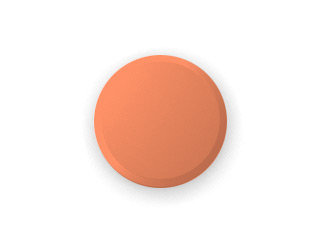
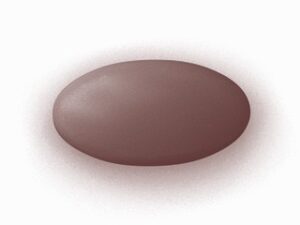
| Available Forms & Strengths: | Tablets containing 2 mg Cyproterone acetate and 35 micrograms Ethinylestradiol |
| Manufacturers: | Bayer Australia Ltd, Arrow Pharmaceuticals, Sandoz Pty Ltd |
| Prescription Status: | Prescription Only Medicine (Schedule 4, S4) |
Mechanism of Action
For Everyone: Cyproterone acetate and Ethinylestradiol is a combined oral contraceptive, but it is also specifically formulated to help manage symptoms of androgen excess, such as acne, oily skin, and hirsutism (excess hair growth) in women. This medicine works by reducing the activity of male hormones (androgens) in the body and providing a balanced dose of oestrogen.
For Specialists: Cyproterone acetate is a potent antiandrogen and progestogen that competitively inhibits androgen receptors and suppresses gonadotrophin secretion. Ethinylestradiol supplements the oestrogen component, stabilising the endometrium and suppressing ovulation. Together, they decrease sebum production and reduce free testosterone.
Pharmacokinetics
- Absorption: Both agents are rapidly and almost completely absorbed from the gastrointestinal tract. Peak plasma concentrations are typically reached within 1–2 hours post-ingestion.
- Metabolism: Ethinylestradiol undergoes extensive hepatic metabolism, while cyproterone acetate is metabolised in the liver primarily by CYP3A4 enzymes.
- Elimination: Both components are excreted via urine and bile (faeces), with an average terminal half-life of 1–2 days for ethinylestradiol and 2–4 days for cyproterone acetate.
- Duration of Action: Provides consistent antiandrogen and contraceptive effect with daily use; therapeutic benefits for skin may take several months to become noticeable.
Use in Everyday Life and Best Practices (Australia Context)
Typical Dose: One tablet daily, for 21 consecutive days, followed by a 7-day tablet-free interval (when a period-like withdrawal bleed usually occurs). Repeat the 28-day cycle as prescribed.
How to Use: Take the tablet at the same time each day, with a full glass of water. Tablets can be taken with or without food. Consistency is important to maximise effectiveness and minimise the risk of pregnancy or breakthrough symptoms.
- Start your first tablet on the first day of your period, or as directed by your doctor.
- Follow “day markers” on the pack to keep track.
- If you forget a dose, follow the missed pill instructions in your Consumer Medicine Information (CMI) leaflet or consult your pharmacist.
- It’s important to have regular check-ups with your GP or women's health nurse.
Dosing in the Morning vs. Evening
Morning: Many women prefer taking the tablet in the morning to integrate it into their breakfast routine, making it less likely to forget.
Evening: Others find it easier to remember with their evening meal. Some notice less nausea if they take it after food in the evening.
- Choose a time that fits your daily schedule and stick to it.
- Avoid frequent time changes, as this may affect effectiveness.
- Set a daily reminder or phone alarm as needed.
Taking with Food or on an Empty Stomach
This medication can be taken with or without food. Taking it after a meal may help reduce the risk of stomach upset or nausea, which some women experience, especially when starting a new medication.
In Australia, with our typical diet, there are no special food restrictions. However, very high-fibre meals or grapefruit juice may affect absorption or metabolism — ask your pharmacist for personalised advice.
Interaction Warnings
| Type | Examples | Advice |
|---|---|---|
| Medications | Some antibiotics (e.g., rifampicin), epilepsy medicines (carbamazepine, phenytoin), St John’s Wort, antiviral drugs, antifungals | Can reduce effectiveness; use additional contraception as advised |
| Foods | Grapefruit juice | May interfere with metabolism; best avoided unless approved by doctor |
| Alcohol | Regular or excessive drinking | No direct effect, but heavy drinking may make it easier to forget doses |
| Other contraceptives | Hormonal IUD, implant | Generally not used together; consult your doctor |
Indications
| Official Indications (TGA Approved) | Off-Label Uses (discuss with your doctor) |
|---|---|
|
|
Dosing According to Clinical Indications
| Group | Typical Dose | Notes |
|---|---|---|
| Adults (Women of Reproductive Age) | 1 tablet daily for 21 days, 7 days off | Do not exceed prescribed dose. Not recommended for use in men. |
| Adolescents | As above | For girls who have reached puberty. Specialist initiation only. |
| Elderly | Not recommended | Not indicated post-menopause. |
| Children | Not recommended | Not approved for use in children before puberty. |
Safety Profile and Side Effects
| Common Side Effects | Uncommon/Rare Side Effects | Warnings |
|---|---|---|
|
|
|
Seek urgent medical attention if you notice: limb swelling, chest pain, sudden shortness of breath, severe headaches, or jaundice (yellowing eyes/skin).
Guidelines for Proper Use
- Always take as prescribed and finish the 21-tablet cycle before having a 7-day break.
- Consult your healthcare professional before starting, stopping, or changing your medication.
- If you miss a tablet, refer to the Consumer Medicine Information or ask your pharmacist for advice.
- Avoid using tobacco products while on this medicine, as this increases the risk of blood clots, especially in women over 35 years old.
- Have regular blood pressure checks and keep up with recommended women’s health screening, including breast checks and cervical screening tests.
- Consider reminder tools (pillboxes or apps) for best adherence.
- Inform every doctor or pharmacist of your current medicines before starting new ones (including OTC and herbal products).
Alternative Treatment Options in Australia
| Alternative | Funded by PBS? | Pros | Cons |
|---|---|---|---|
| Standard combined oral contraceptives (e.g., Levlen, Microgynon) | Yes, many brands | Similar contraceptive effect, lower VTE risk | Less effective for androgen-related symptoms |
| Progestogen-only pill | Yes | Good for women with oestrogen risk factors | Does not treat acne/hirsutism |
| Antiandrogens (e.g., Spironolactone) | No, off-label in some cases | Effective for acne, hirsutism | No contraceptive effect; not suitable for all |
| Topical acne treatments (retinoids, benzoyl peroxide) | Partially; some prescription forms | Direct treatment; fewer systemic side effects | Can cause skin irritation; not systemic |
| Isotretinoin | Yes, with strict criteria | Highly effective for severe acne | Significant side effect profile and pregnancy risk |
Legal, Registration, and Reimbursement Status in Australia
- Therapeutic Goods Administration (TGA): Registered as a prescription medicine (S4).
- Prescription Requirements: Must be prescribed by a registered medical practitioner.
- Pharmaceutical Benefits Scheme (PBS): Subsidised for use in androgen-related disorders and contraceptive indications, subject to criteria. Check with your pharmacist for your eligibility.
- Patient identification: You may be asked for identification when collecting your prescription.
Latest Research and Clinical Guidance (2022–2025)
- Guidelines continue to support the use of cyproterone acetate and ethinylestradiol for severe acne and hirsutism when alternative therapies have failed (Australasian College of Dermatologists, 2023).
- Vigilance about blood clot risk remains paramount; updated resources for patient screening are available from the Royal Australian College of General Practitioners and TGA safety alerts (2024).
- Ongoing research is investigating longer-term effects on mood and metabolic markers (British Journal of Clinical Pharmacology, 2022-2025).
- Further information can be reviewed in the current Consumer Medicine Information sheet and PBS website.
Availability and Delivery
| Pack Size | Typical PBS Price (2024) | Private Price | Estimated Delivery (Sydney, Melbourne, Brisbane, Perth, Adelaide, Hobart, Darwin, Canberra) |
|---|---|---|---|
| 1 x 28 tablets (1 month) | $6.70 (PBS general co-payment) | $25–$35 | 1–2 days metro, 2–4 days regional/remote |
| 3 x 28 tablets (3 months) | $20.10 (PBS general co-payment) | $60–$90 | 1–2 days metro, 2–4 days regional/remote |
Most pharmacies in Australia offer in-store pickup, local delivery, and sometimes express post options for remote communities.
Frequently Asked Questions (FAQ)
1. Can I use this medication as a standard contraceptive pill?While this product is effective for contraception, it is specially formulated and funded for women who also have androgen-related symptoms (e.g., acne, excess hair). Other oral contraceptives may be more suitable if contraception alone is required.
2. What happens if I miss a dose?Take the missed tablet as soon as you remember, even if this means taking two tablets in one day. If you miss more than one, consult your pharmacist and use extra protection if you have sex in the meantime.
3. Will this help with my acne or PCOS?Yes, if prescribed for androgen-related symptoms (acne, hirsutism, oily skin), you should see gradual improvements over several months. For PCOS, this can help with hormonal symptoms, but talk to your GP about other aspects such as fertility or metabolic health.
4. Can I drink alcohol or eat normally?Yes, you can maintain your usual Australian diet, but drink alcohol in moderation and avoid grapefruit/grapefruit juice, as it may interfere with absorption. Remember alcohol can increase the chance of missing doses.
5. Is long-term use safe?Long-term use may be appropriate if benefits outweigh risks and you have regular reviews with your doctor. Risks are higher if you have a personal or family history of certain conditions (blood clots, smoking, or migraines). Your GP will help monitor these risks.
If you have any further questions, consult your healthcare professional or pharmacist. They are your best source for up-to-date, personalised advice.