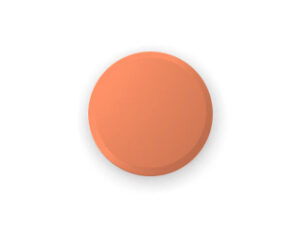
Dydrogesterone: Patient Guide for Australia
Basic Product Information
| International Nonproprietary Name (INN) | Dydrogesterone |
|---|---|
| Australia Brand Names | Duphaston® |
| ATC Code | G03DB01 |
| Available Forms & Strengths | Tablets, 10 mg |
| Manufacturers | Mylan Health Pty Ltd, Abbott Australasia Pty Ltd |
| Prescription Status | Prescription only (Schedule 4, S4) in Australia |
Mechanism of Action
For Patients: Dydrogesterone is a type of hormone called a progestogen, which works much like the natural hormone progesterone produced by your body. It helps regulate the menstrual cycle, supports pregnancy in certain cases, and treats conditions related to hormone imbalance.
For Specialists: Dydrogesterone is a retrosteroid with selective agonistic activity at progesterone receptors. It exerts its effect on the endometrium, countering the proliferative action of oestrogens, and supports the luteal phase without significant androgenic, oestrogenic, anabolic, thermogenic, or glucocorticoid properties.
Pharmacokinetics
- Absorption: Oral dydrogesterone is rapidly absorbed, with peak plasma concentrations usually reached within 1–2 hours of administration.
- Metabolism: Extensively metabolised in the liver, mainly to 20α-dihydrodydrogesterone, its active metabolite.
- Elimination: Excreted mainly via the urine, with a total elimination half-life of around 5–7 hours.
- Duration of Action: Once daily or divided-dose regimens maintain stable hormone levels.
Use in Everyday Life and Best Practices
Dydrogesterone is prescribed for a range of hormone-related conditions, sometimes as part of hormone replacement therapy (HRT). The exact dose and duration depend on your specific diagnosis.
Typical doses:
- Irregular menstrual cycles: 10–20 mg daily for a specified portion of the cycle, often days 11–25.
- Endometriosis: 10–30 mg daily, usually continuous or cyclical.
- Secondary amenorrhoea:** 10 mg twice daily for part of the cycle, typically combined with an oestrogen.
- Luteal phase support (during fertility treatments): 10–20 mg daily during the luteal phase.
- Threatened or recurrent miscarriage (on specialist advice): 10–40 mg daily depending on risk and ongoing pregnancy.
How to use: Swallow tablets whole with water; do not crush or chew. It’s important to follow your doctor’s instructions precisely, especially regarding timing within your cycle.
Australian Context:
- If you miss a dose, take it as soon as you remember, unless it is nearly time for your next dose. Do not double dose.
- Mark calendar reminders (e.g., in your Medicare app) to stay on track, especially if part of a fertility or menstrual cycle plan.
- Discuss with your pharmacist if you travel across time zones, for best timing of doses.
Dosing: Morning vs. Evening
| Timing | Advantages | Disadvantages | Tips |
|---|---|---|---|
| Morning | May feel more alert for daily activities, easier to remember with other morning medicines. | Possible gastrointestinal discomfort if skipped breakfast. | Pair with breakfast or morning routine for consistency. |
| Evening | Less likely to disrupt daily work, may improve tolerability if drowsiness occurs. | Forgotten doses if nighttime routines vary or during social evenings. | Take at same time each night, e.g., after dinner or before bed. |
Consistency is key. Choose a time that fits your regular routine and stick with it if possible.
Taking With Food or On an Empty Stomach
Dydrogesterone may be taken with or without food, as food does not significantly affect its absorption. However, if you experience stomach upset, it’s fine to take the medicine after a meal or with a light snack. This fits easily into typical English eating habits, such as taking the tablet after breakfast or dinner.
Interaction Warnings
| Substance/Class | Interaction | Advice |
|---|---|---|
| Medicines containing rifampicin, phenytoin, carbamazepine | May reduce the effects of dydrogesterone via increased liver metabolism. | Inform your doctor; dose adjustments may be needed. |
| St John's Wort (herbal remedy) | Can reduce efficacy of dydrogesterone. | Avoid unless directed by a healthcare professional. |
| Alcohol | No direct interaction, but excess can worsen side effects. | Limit alcohol to recommended levels. |
| Other hormone therapies (including HRT or contraceptives) | Possible additive effects or hormonal imbalance. | Share your full medication list with your doctor. |
| Grapefruit juice | Not a proven interaction, but may alter hormone metabolism in some cases. | Best to avoid large amounts unless otherwise advised. |
Indications (When Dydrogesterone is Used)
| Therapeutic Use | Official (TGA-approved) | Off-label |
|---|---|---|
| Irregular or painful periods | ✔ | |
| Endometriosis | ✔ | |
| Threatened/recurrent miscarriage | ✔ (in some settings) | |
| Luteal phase support in fertility (e.g., IVF) | ✔ | |
| Secondary amenorrhoea (periods stop) | ✔ | |
| Premenstrual syndrome (PMS) | ✔ | |
| Hormone replacement therapy (HRT) as part of combination | ✔ |
Dosing According to Clinical Indication
| Condition | Typical Adult Dose | Paediatric Use | Elderly Dose |
|---|---|---|---|
| Irregular periods | 10 mg twice daily, days 11–25 of cycle | Not recommended under age 14 | Same as adult |
| Endometriosis | 10 mg 1–3 times daily throughout cycle | Not recommended | Same as adult |
| Secondary amenorrhoea | 10 mg twice daily for 14 days per cycle (with oestrogen) | Not recommended | Same as adult |
| Luteal phase support | 10 mg twice daily for 10–14 days per cycle | Specialist only | Same as adult |
| Threatened miscarriage | 40 mg loading, then 10 mg 3 times daily until risk passes | Specialist only | Not typically used |
| Hormone replacement therapy (HRT) | 10–20 mg daily, days 11–25/28-day cycle with oestrogen | Not recommended | Same as adult |
Note: Always follow specific directions provided by your specialist, as individual needs vary.
Safety Profile and Side Effects
Dydrogesterone is generally well tolerated. However, as with any medicine, side effects may occur.
| Frequency | Side Effects | What to do |
|---|---|---|
| Common | Nausea, headache, breast tenderness, mild weight change, mild mood changes, breakthrough bleeding | Usually mild and temporary; consult your doctor if persistent |
| Occasional | Abdominal pain, skin rash, fatigue, dizziness | If troublesome or severe, report to your healthcare professional |
| Rare | Liver function changes, jaundice, severe allergic reaction | Stop medication and seek urgent medical care |
| Warning | Unexplained vaginal bleeding, signs of blood clots (e.g., leg pain/swelling, sudden breathlessness) | Seek prompt medical attention |
Contraindications: Allergy to dydrogesterone, known or suspected hormone-dependent malignancies, undiagnosed vaginal bleeding, severe liver disease.
Pregnancy & breastfeeding: May be used under specialist supervision; inform your doctor if pregnant or planning to conceive.
Guidelines for Proper Use: Advice from Australian Pharmacists
- Store tablets below 25°C and away from direct sunlight, following guidelines from the TGA (Therapeutic Goods Administration).
- Keep out of reach of children and pets.
- Do not share your medication with others; it’s prescribed for your circumstances only.
- Speak to your pharmacy team for a prescription refill—do not stop suddenly unless directed.
- Dispose of expired or unused tablets via pharmacy return schemes (e.g., Return Unwanted Medicines program).
- The PBS (Pharmaceutical Benefits Scheme) may subsidise this medication for certain indications—check with your doctor or pharmacist.
- If you’re travelling within Australia (e.g., to Perth, Sydney, Melbourne, Brisbane, Adelaide), carry your medication in its original packaging, along with your prescription and Medicare card.
Alternative Treatment Options
- Other Progestogens: Medroxyprogesterone acetate, norethisterone — sometimes funded by the PBS for similar indications. Pros: wider experience, PBS subsidy. Cons: potentially more androgenic or metabolic side effects.
- Progesterone (micronised capsules): Used especially in fertility and miscarriage prevention. Pros: considered more "natural". Cons: may cause drowsiness, requires multiple daily doses.
- GnRH agonists (for endometriosis): E.g. leuprorelin. Pros: effective for severe cases. Cons: higher cost, more significant side effects.
- Combined oral contraceptive pill: Used for cycle regulation and endometriosis. Pros: also contraceptive. Cons: contains oestrogen, not suitable for all.
- Levonorgestrel intrauterine system (Mirena®): For HRT, endometrial protection. Pros: long-term option. Cons: procedure required for insertion.
Discuss with your GP or specialist which choice best fits your personal circumstances and eligibility for PBS reimbursement.
Legal, Registration, and Reimbursement Status in Australia
- Legal status: S4 (prescription only medicine in Australia)
- Registration: Approved by the TGA (Therapeutic Goods Administration)
- PBS reimbursement: Available for selected indications; check PBS website or with your provider for current schedule
- Requirements: Valid prescription from Australian-registered doctor; pharmacist dispensing required
Latest Research and Clinical Guidance (2022–2025)
- Recent English and international clinical guidance confirms dydrogesterone's role in supporting early pregnancy in women with previous miscarriages and as part of assisted reproduction protocols (RCOG, ESHRE 2023).
- 2024 literature highlights dydrogesterone's improved tolerability compared with older progestogens, with lower risk of metabolic and androgenic side effects (Fertility and Sterility, 2023; MJA, 2024).
- Australian and UK fertility specialists recommend dydrogesterone or micronised progesterone for luteal phase support, with dosing adjusted to individual patient response (Fertility Society of Australia, 2023 update).
Availability and Delivery
| Pack Size | Typical PBS Price (Co-pay) | Private Price Range | Estimated Delivery (Major Cities) |
|---|---|---|---|
| 20 tablets (10 mg) | $30–$41 (PBS co-pay, eligible patients) | $31–$75 | 1–2 business days (Sydney, Melbourne, Canberra) |
| 60 tablets (10 mg) | $30–$41 (PBS co-pay, eligible patients) | $82–$185 | 2–3 business days (Brisbane, Perth, Adelaide, Hobart) |
| Other pack sizes | Varies | Ask pharmacy | Regional/remote delivery: 2–5 business days |
- All deliveries must be signed for and require a valid prescription.
- Home and express courier available in most urban areas.
- Contact your pharmacy for stock availability and possible delivery surcharges to remote NT, WA, SA regions.
FAQ – Common Patient Questions
- Can I drink alcohol while taking dydrogesterone?
Yes, in moderation, as alcohol does not directly interact with dydrogesterone. However, limit your intake (see NHMRC guidelines—up to 10 standard drinks per week) to avoid worsening side effects like nausea. - What if I miss a dose?
Take the missed dose as soon as you remember, unless your next dose is due soon—then skip the missed dose. Do not take a double dose to catch up. - Does dydrogesterone cause weight gain?
Some women notice minor fluid retention, but significant weight gain is uncommon. Speak to your doctor if you are concerned. - Can I use dydrogesterone during pregnancy?
Only under specialist supervision. Dydrogesterone is commonly prescribed to support early pregnancy in some high-risk women, but self-medication is not recommended. - Do I need to take it at the exact same time every day?
It’s best to take dydrogesterone at the same time daily for stable hormone levels and to improve treatment effectiveness.
For further advice, contact your local pharmacy team, GP, or ring Healthdirect on 1800 022 222.
This information is not a substitute for medical advice—consult your healthcare provider for personalised instructions.