Conjugated Estrogens: Patient Information (Australia)
Basic Product Information
- International Non-proprietary Name (INN): Conjugated Estrogens
- Australia Brand Names: Premarin®, Duavive® (in combination with bazedoxifene), generic brands
- Anatomical Therapeutic Chemical (ATC) Code: G03CA57
- Available Forms & Strengths:
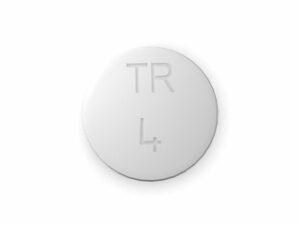
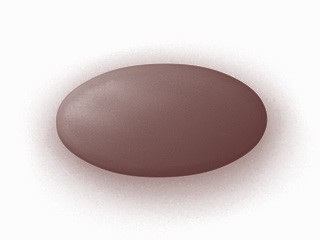
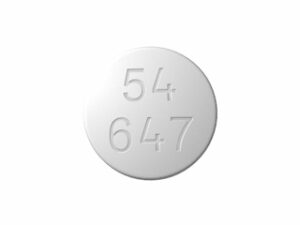
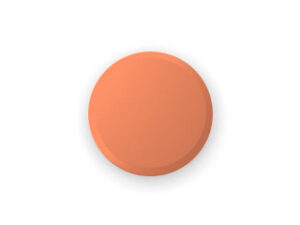
- Tablets: 0.3 mg, 0.625 mg, 1.25 mg
- Cream: 0.625 mg/g
- Manufacturers: Pfizer Australia Pty Ltd; various generic companies
- Prescription Status: Prescription Only (Schedule 4, S4 Medicines under Therapeutic Goods Administration (TGA) regulation)
Mechanism of Action
For Everyone: Conjugated estrogens are a mixture of estrogen hormones used to help balance the natural hormones in your body. They're commonly prescribed to treat symptoms caused by a decrease in estrogen, such as menopause-related hot flushes, vaginal dryness, and bone loss.
For Specialists: Conjugated estrogens exert their effect primarily by binding to nuclear estrogen receptors, modulating gene transcription and cellular function in target tissues such as the endometrium, bone, and hypothalamus. Estrogenic activity helps to stabilise the thermoregulatory centre and maintain urogenital and skeletal health.
Pharmacokinetics
- Absorption: Well-absorbed from the gastrointestinal tract after oral administration. Systemic absorption also occurs via vaginal or topical routes.
- Metabolism: Hepatic metabolism via conjugation and oxidation. Undergoes enterohepatic recirculation.
- Elimination: Metabolites are primarily excreted in urine; some biliary excretion occurs.
- Duration of Action: Plasma half-life varies; most activity lasts up to 24 hours after dosing.
Use in Everyday Life and Best Practices
Conjugated estrogens are most frequently prescribed for:
- Relief of moderate-to-severe menopausal symptoms (hot flushes, night sweats)
- Prevention of postmenopausal osteoporosis (when other options are unsuitable)
- Treatment of moderate-to-severe vaginal atrophy due to menopause
- Replacement therapy in conditions with lack of endogenous oestrogens (such as ovarian failure or hypogonadism)
Best practice: Always take your medication exactly as directed by your doctor. The tablet form is typically swallowed whole with water. Creams are applied locally as instructed. Do not skip doses or stop therapy abruptly without consulting your healthcare provider.
Typical Doses:
- Menopausal symptoms: 0.3–1.25 mg orally, once daily, adjusted to the lowest effective dose
- Vaginal atrophy: 0.5–2 g cream (intravaginally), daily or cyclically as prescribed
- Osteoporosis prevention: Usually 0.625 mg/day orally
Dosing in the Morning vs Evening
Morning Dosing: May be preferable for menopausal symptoms, aligning with natural circadian hormone patterns. Some patients report fewer night sweats.
Evening Dosing: Can minimise daytime side effects (such as nausea). If hot flushes/night sweats disturb sleep, evening dosing might be preferred.
- Whichever time you choose, take your medication at the same time every day to maintain even hormone levels.
- If you forget a dose and it's within 12 hours of your regular time, take it straight away. Otherwise, skip the missed dose and continue as usual. Never double up.
Taking with Food or on an Empty Stomach
Oral tablets: Can be taken with or without food. Some people find taking with food reduces the chance of nausea or stomach upset. Typical English dietary habits and a balanced breakfast are suitable at the time of dosing.
Creams: Not affected by food. Applied as directed to the local (vaginal) area.
Interaction Warnings
Conjugated estrogens may interact with certain foods, medications and other substances. Please discuss all prescription, over-the-counter medications and supplements with your doctor or pharmacist.
| Interacting Substance | Effect | Advice |
|---|---|---|
| Grapefruit juice | May increase levels of estrogen in the body | Best avoided |
| Alcohol | May worsen estrogen-related side effects | Moderate consumption only |
| Anticonvulsants (e.g., carbamazepine, phenytoin) | May decrease effectiveness of estrogens | Monitor response; dose adjustment may be needed |
| St John's Wort (herbal) | Reduces blood estrogen levels | Avoid while taking estrogens |
| Antibiotics (e.g., rifampicin) | May reduce effect of estrogen | Inform doctor if used together |
| Thyroid medications (e.g., thyroxine) | Altered thyroid hormone requirements | Thyroid levels should be monitored |
Indications
Approved (TGA):
- Relief of moderate-to-severe vasomotor symptoms of menopause
- Treatment of moderate-to-severe symptoms of vulvar and vaginal atrophy due to menopause
- Prevention of postmenopausal osteoporosis (when alternative therapies are not suitable)
- Oestrogen deficiency due to hypogonadism or primary ovarian failure
Off-Label/Additional uses: Used occasionally as part of transgender hormone therapy and for selected cases of prostate cancer or androgen deficiency in men, under specialist supervision.
Dosing According to Clinical Indications
| Indication | Adults | Elderly | Children/Adolescents* |
|---|---|---|---|
| Menopausal symptoms | 0.3–1.25 mg orally, once daily (adjust to lowest effective) | Same as adults, with increased monitoring | Not routinely used for this indication |
| Prevention of osteoporosis | 0.625 mg orally, once daily | Same as adults | Not usually recommended |
| Vaginal atrophy | 0.5–2 g cream, intravaginally daily or cyclically | Same as adults | Rare, under specialist advice |
| Hypogonadism, ovarian failure | 0.3–1.25 mg orally daily (or as cycles) | Same as adults | Initiation and dose adjusted by paediatric endocrinologist only |
*Use in children/adolescents is rare and must be under specialist supervision.
Safety Profile and Side Effects
| Type | Possible Side Effects | Frequency/Comment |
|---|---|---|
| Common (>1%) |
| Usually mild, may resolve with continued use or dose adjustment |
| Occasional (0.1–1%) |
| Monitor and discuss with your doctor |
| Rare (<0.1%) / Serious |
| Seek urgent medical advice if you experience these |
Warning: The lowest effective dose should be used, for the shortest duration. Annual reviews are recommended, along with regular breast checks and gynaecological examinations for all women on long-term estrogen therapy.
Guidelines for Proper Use (Australia)
- Always use this medication exactly as prescribed, and attend regular follow-ups.
- If you miss a dose, take it as soon as you remember. If nearly time for your next dose, skip the missed one – do not double dose.
- If you switch between brands or formulations (for example, brand to generic), check with your pharmacist for any differences in dosing.
- Store tablets at room temperature, away from direct sunlight, moisture, and out of reach of children.
- Combination with progestogen is required for women with a uterus to reduce risk of endometrial cancer.
- Regular mammograms, blood pressure checks, and monitoring for any unusual bleeding or symptoms are advised during therapy.
- Inform all healthcare providers and your dentist about your estrogen therapy, especially before surgery or if you become immobile for extended periods.
Alternative Treatment Options
- Other hormone therapies: Estradiol (oral, transdermal patches/gels), Tibolone, Estriol creams
- Non-hormonal therapies: SSRIs/SNRIs (for hot flushes), clonidine, gabapentin
- Local (vaginal) therapies: Vagifem® (estradiol pessaries), Ovestin® (estriol), Replens® moisturiser
- Bisphosphonates, denosumab: For osteoporosis prevention/treatment
Pros & Cons Comparison: Estrogen-based therapies are usually most effective for menopausal symptoms, but carry higher long-term risk for blood clots and certain cancers. Non-hormonal and local therapies may be preferable for women with risk factors or shorter-term symptoms. Discuss your options with a specialist for the best outcome and minimal risk.
Legal, Registration, and Reimbursement Status in Australia
- Regulation: Registered under the Therapeutic Goods Administration (TGA); S4 (Prescription Only).
- Reimbursement: Listed on the Pharmaceutical Benefits Scheme (PBS) for certain indications, including severe menopausal symptoms and oestrogen deficiency (based on PBS criteria at the time of prescription; patient co-payment applies).
- Prescriber requirements: Must be prescribed by a registered Australian doctor (GP, gynaecologist, endocrinologist).
- Pharmacy dispensing: Available for collection at local community or hospital pharmacies with a valid prescription.
Latest Research and Clinical Guidance (2022–2025)
- Australian Menopause Society (AMS) & RACGP guidelines (2022–2024): Recommend using the lowest effective dose of estrogen for the shortest necessary duration; regular risk assessment for cardiovascular disease, breast cancer, and thromboembolism is advised. Combined estrogen-progestogen therapy is recommended for women with an intact uterus.
- Recent clinical trials (2023–2025): Updated real-world and registry data continue to confirm a favourable risk-benefit profile for healthy women with disabling symptoms when started early in menopause. Individualisation remains critical.
- Citations:
- Australian Therapeutic Guidelines: Menopause, Endocrinology & Women’s Health sections
- RACGP Red Book 10th Ed. (2024 Update): Preventive Activities in General Practice
- British Menopause Society & International Menopause Society Statements (2022–2024)
Availability and Delivery Information
| Formulation | Common Pack Sizes | Indicative PBS Price (2024)* | Estimated Delivery to Capital Cities (Sydney, Melbourne, Brisbane, Perth) |
|---|---|---|---|
| Tablets (0.625 mg) | 28 / 84 tablets | A$29.00–A$52.00 (PBS subsidised) | 1–2 days for metro; 3–5 days for regional/rural |
| Cream (0.625 mg/g) | 30 g / 70 g tubes | A$15.00–A$32.00 | 1–3 days metro; 4–7 days regional/rural |
*Prices and delivery times are indicative and may vary according to PBS status, pharmacy, and location. Prescriptions are required before purchase and dispatch.
Frequently Asked Questions (FAQs)
- How long can I safely use conjugated estrogens?
Most experts recommend using the lowest effective dose for the shortest time, usually for 2–5 years. Long-term use increases certain health risks and should only be continued after specialist review and discussion of benefits and risks. - What should I do if I miss a dose?
Take the missed dose as soon as you remember if it is within 12 hours. If almost time for your next dose, skip the missed dose—do not double up. Return to your normal schedule the next day. - Can I take conjugated estrogens with my other medications?
Many medicines are safe with conjugated estrogens, but some—like anticonvulsants, antibiotics, or herbal supplements—may reduce or increase its effect. Always let your doctor or pharmacist know about ALL medicines and supplements you are using. - Will conjugated estrogens affect my risk of cancer or blood clots?
Yes, long-term use is associated with a very small increased risk, particularly for women over 60 or with certain risk factors. Your doctor will discuss your personal risks before starting therapy and will monitor you during use. - Are there foods I should avoid while taking conjugated estrogens?
Yes. Avoid grapefruit and large amounts of grapefruit juice, as they can increase estrogen levels. A typical balanced English diet is generally safe.
If you have any other questions or concerns, speak to your pharmacist, GP, or specialist. Do not stop or change your medicine without professional advice.