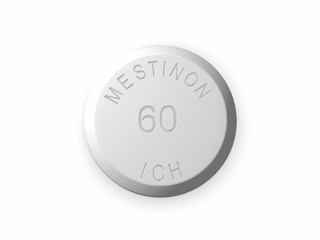
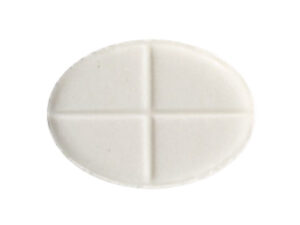
Mestinon (Pyridostigmine) – Patient Information for Australia
Basic Product Information
| International Nonproprietary Name (INN): | Pyridostigmine |
|---|---|
| Australia Brand Names: | Mestinon® |
| ATC Code: | N07AA02 |
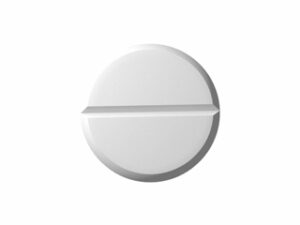
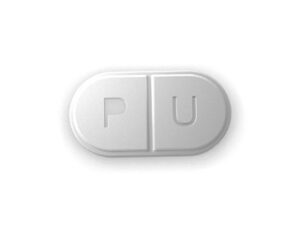
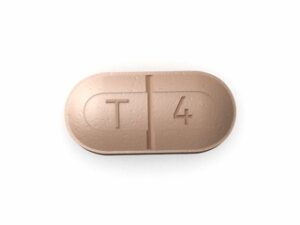
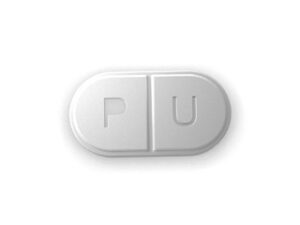
| Available Forms & Strengths: | Tablets (60 mg), Modified-release tablets (180 mg), Oral solution (60 mg per 5 mL)* |
| Manufacturers: | Valeant Pharmaceuticals, several generic manufacturers |
| Prescription Status (Australia): | Prescription only (Schedule 4) |
| Registration Authorisation: | Therapeutic Goods Administration (TGA), approved product |
| Subsidy Status: | Available on the Pharmaceutical Benefits Scheme (PBS) for approved indications |
| *Note: | Not all forms may be available in every state or pharmacy; check with your pharmacist. |
Mechanism of Action
Simple explanation: Pyridostigmine works by helping the nerves talk to the muscles more effectively. In some illnesses, such as myasthenia gravis, nerve signals have trouble reaching the muscles, leading to weakness. Mestinon (Pyridostigmine) increases the amount of a chemical called acetylcholine at the nerve endings, improving communication and muscle strength.
For specialists: Pyridostigmine is a reversible cholinesterase inhibitor. It binds to acetylcholinesterase, preventing the breakdown of acetylcholine at synaptic clefts, primarily the neuromuscular junction, thus enhancing cholinergic transmission.
Pharmacokinetics
- Absorption: Well-absorbed orally, but bioavailability is variable (10–20%) due to extensive first-pass metabolism.
- Peak Plasma Concentration: Achieved within 1–2 hours for standard tablets; slightly longer for modified-release forms.
- Metabolism: Partially metabolised in the liver.
- Elimination: Mainly excreted via the kidneys (as unchanged drug and metabolites).
- Duration of Action: Lasts 3–6 hours (tablets), up to 8–12 hours (modified-release); may vary based on individual response and condition severity.
Use in Everyday Life & Best Practices
Mestinon is commonly used to treat muscle weakness in conditions such as myasthenia gravis and sometimes to reverse muscle relaxants after surgery. In Australia, patients will usually follow a personalised dosing plan set by a neurologist or specialist.
- Typical Adult Dose: 60 mg tablet every 4–6 hours, adjusted individually
- Modified-release: 180 mg (one tablet), every 6–12 hours; NOT interchangeable with regular tablets on a mg-for-mg basis.
- Pediatric Dose: Determined by weight and clinical response; always under close medical supervision.
- Elderly: Often require lower starting doses; dose titration should be cautious due to increased sensitivity and potential kidney impairment.
- Take at the same time(s) each day to maintain steady levels.
Do not change your dose or schedule without consulting your doctor. If you miss a dose, take it as soon as you remember unless it is nearly time for your next dose. Do not double up doses.
Dosing in the Morning vs Evening
- Morning doses are commonly prescribed to cover periods of maximum daily activity. Modified-release tablets may be taken in the evening to help prevent early morning weakness.
- Tip: Take your medicine at times that match your daily routine and main physical activities. For many Australians, this is in line with work and school schedules.
- Spread your doses evenly across the day; avoid taking two doses too closely together.
Taking With or Without Food
- Pyridostigmine can be taken with or without food. Taking with food may help reduce stomach upset.
- Australian dietary habits (regular breakfast, lunch, and dinner) are compatible with typical dosing.
- Avoid large or high-fat meals immediately before or after taking your dose, as this may affect absorption—especially for modified-release forms.
Practical Advice: If you are prone to indigestion, take with a small snack or after a light meal. Always drink a full glass of water.
Interaction Warnings
| Type | What to Watch For |
|---|---|
| Food | High-fibre or high-fat meals may delay absorption; consistent meal patterns recommended. |
| Alcohol | May worsen muscle weakness or dizziness; best avoided or used with caution. |
| Other Medicines |
|
| Herbal and OTC Products | Always check with your pharmacist before taking supplements or new medicines. |
Clinical Indications
| Indication | Status | Notes |
|---|---|---|
| Myasthenia Gravis | Official (PBS listed) | Main use in Australia |
| Reversal of Non-depolarising Muscle Relaxants (post-surgery) | Official | In hospital settings only |
| Congenital Myasthenic Syndromes | Off-label | Specialist initiation only |
| Other (e.g. severe orthostatic hypotension, chronic intestinal pseudo-obstruction) | Off-label | Rare; specialist advice essential |
Dosing According to Indication
| Indication | Age/Group | Typical Dose | Max Daily Dose |
|---|---|---|---|
| Myasthenia Gravis | Adult | 30–60 mg orally, every 4–6 hours (customised) | 600 mg |
| Pediatric | 1–2 mg/kg/dose, every 4–6 hours | As above, by weight and clinical response | |
| Elderly | Start at lower dose (30 mg), titrate slowly | Depends on kidney function | |
| Reversal of Muscle Relaxant | Adult/Child | IV use, hospital protocol | — |
Dosing may be adjusted by your doctor depending on your symptoms, physical activity, and how your condition changes over time.
Safety Profile and Side Effects
| Frequency | Potential Side Effects | What to Do |
|---|---|---|
| Common | Gastrointestinal upset (diarrhoea, stomach cramps, nausea), salivation, muscle twitching, increased sweating. | Usually mild; consult your doctor if persistent. |
| Less Common | Blurred vision, headache, mild muscle weakness (if overdosed), difficulty passing urine. | Report to your prescriber. |
| Rare/Serious | Severe muscle weakness or breathing difficulties (cholinergic crisis), slow heartbeat, fainting, severe rash/allergy. | Emergency – seek medical attention or call Triple Zero (000). |
- Warnings: Overdose can cause life-threatening weakness called cholinergic crisis; always use as prescribed. Report worsening symptoms, allergic reaction or significant changes in breathing immediately.
- Avoid abrupt stoppage—you may become rapidly weaker.
Guidelines for Proper Use – Pharmacist Advice
- Store Mestinon in its original packaging, below 25°C, away from moisture.
- Keep out of reach of children and pets.
- Dispose of unused or expired medicines through your local pharmacy’s return system (RUM Project).
- Travel tip: Take enough supply when travelling within Australia or overseas; carry prescription and relevant medical information.
- If you experience new symptoms or suspect an interaction with another medicine, consult your doctor or pharmacist.
- Never share your medicine with others, even if they have similar symptoms.
Alternative Treatment Options
- Neostigmine: Similar mode of action, mainly used intravenously or in special circumstances.
- Immunosuppressants: (azathioprine, mycophenolate mofetil, corticosteroids)—for patients not controlled on pyridostigmine alone; require specialist supervision.
- Biologic therapies: (rituximab, eculizumab, off-label) in severe, refractory cases—hospital specialist access only.
- Surgical: Thymectomy, especially in young adults with thymoma or generalised myasthenia gravis.
Pyridostigmine is usually considered first-line for symptomatic relief. Immunosuppressants and biologics are added for longer-term management where required. All alternatives on this list are reimbursed by the PBS or by hospital formularies in Australia for the approved indications.
| Option | Pros | Cons |
|---|---|---|
| Pyridostigmine (Mestinon) | Fast symptom relief, well-tolerated, PBS listed | Needs regular dosing, mild GI side effects |
| Immunosuppressants | Disease modification, good for long-term control | Need regular monitoring, infection risk |
| Biologic therapies | Effective for refractory patients | Specialist-only, expensive, side effects |
| Neostigmine | Alternative if pyridostigmine not tolerated | Shorter duration, usually IV |
Legal, Registration, and Reimbursement Status in Australia
- TGA-registered: Available as a registered medicine in Australia.
- PBS reimbursement: Subsidised for myasthenia gravis and certain indications.
- Prescription Only: Must be prescribed by a medical practitioner.
- Import/export: Restrictions apply; inform Border Force if travelling with more than 3 months’ supply.
- Monitoring: Use is monitored by Medicare and the TGA.
Recent Clinical Guidance and Research (2022–2025)
- The latest Myasthenia Gravis Australia guidelines (2023) confirm pyridostigmine as first-line for symptom control.
- Recent UK and US research (NEJM 2023, J Neurol Neurosurg Psychiatry 2024) supports long-term efficacy and safety for pyridostigmine in generalised myasthenia gravis.
- Individualised dosing, careful monitoring in the elderly, and consideration for renal impairment are emphasised in new Royal Australasian College of Physicians advice (2024).
- Research into complementary therapies (e.g., thymectomy, selective immunosuppressants) continues in refractory disease.
Always discuss new research findings and evolving guidelines with your specialist before making changes to your regimen.
Availability & Delivery in Australia
- Widely available at major community and hospital pharmacies across Australia.
- May need to be ordered in rural or remote areas—speak with your pharmacist in advance.
- Pack sizes usually 100 (tablets), 30 (modified-release), or 100 mL solution. Smaller or split packs are sometimes available.
- PBS price for general patients (as of 2024): ~$30 for 100 tablets (plus dispensing fee); concessional price is much lower.
| City | Standard Delivery Time | Urgent/Same-Day Availability |
|---|---|---|
| Sydney/Melbourne/Brisbane | 1–2 working days | Yes, at most major pharmacies |
| Adelaide/Perth | 2–3 working days | Subject to local stock |
| Darwin/Hobart | Up to 5 working days | Order recommended |
| Regional/Rural Areas | 3–7 working days | Check with local pharmacy or online delivery |
Home delivery and online pharmacy services are available throughout Australia; PBS scripts can be sent electronically.
FAQs: Your Questions Answered
- What should I do if I miss a dose?
Take the missed dose as soon as you remember, unless it’s almost time for your next one. Do not double dose. If in doubt, ask your pharmacist or doctor. - Can I drive or operate machinery on Mestinon?
Most patients can, but be cautious if you feel dizzy or have blurred vision. If symptoms occur, do not drive and consult your doctor. - Is it safe to take during pregnancy or breastfeeding?
Pyridostigmine may be used in pregnancy when needed, but only under the care of your doctor. Discuss with your specialist if breastfeeding. - Can I travel with Mestinon?
Yes, but carry your prescription, and check local regulations if travelling internationally. Always take enough supply for your trip. - How long will I need to take this medicine?
Many patients with myasthenia gravis require long-term or lifelong treatment. Your doctor will adjust the therapy as needed.
Need more advice? Speak with your pharmacist or specialist neurology team. For urgent medical help, call Triple Zero (000) in Australia.