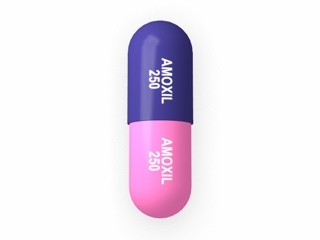
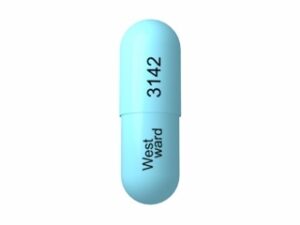
Amoxil (Amoxicillin) – Patient Information for Australia
Basic Product Information
| International Non-proprietary Name (INN) | Amoxicillin |
|---|---|
| Australian Brand Names | Amoxil, Alphamox, Cilamox, Maxamox, Moxacin, and generics |
| ATC code | J01CA04 |
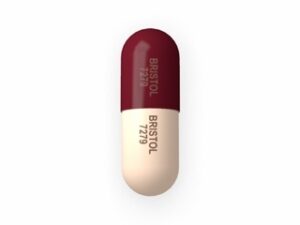
| Available Forms & Strengths | Capsules (250 mg, 500 mg), Tablets (500 mg, 875 mg), Powder for oral suspension (125 mg/5mL, 250 mg/5mL, 400 mg/5mL) |
| Manufacturers | GlaxoSmithKline, Aspen Pharmacare, Sandoz, Apotex, and others |
| Prescription Status | Prescription only (S4 - Prescription Medicine) |
Mechanism of Action
Patient-friendly explanation: Amoxicillin works by killing bacteria that cause infections. It does this by interfering with the construction of the bacterial cell wall, which bacteria need to survive. This means Amoxil does not work on viral infections (such as colds or flu).
For healthcare professionals: Amoxicillin is a broad-spectrum, beta-lactam antibiotic of the aminopenicillin family. It inhibits bacterial cell wall synthesis by binding to penicillin-binding proteins (PBPs), leading to lysis of susceptible strains during active multiplication.
Pharmacokinetics
- Absorption: Rapid and well absorbed after oral administration, with bioavailability of approximately 95%.
- Metabolism: Limited hepatic metabolism; mainly excreted unchanged in urine.
- Elimination: Renal (primarily), with a half-life of 1–1.5 hours in healthy adults.
- Duration of action: Usually requires dosing every 8–12 hours, depending on clinical indication.
Use in Everyday Life and Best Practices
Amoxil is used to treat bacterial infections such as ear, nose and throat infections, sinusitis, bronchitis, pneumonia, urinary tract infections, and some skin infections. It may also be used as part of therapy to treat stomach ulcers (in combination with other medicines).
- Read the pharmacy label and follow your prescriber’s directions exactly.
- Take at evenly spaced times to maintain effective levels in your body.
- Finish the complete course, even if you feel better, unless told otherwise by your doctor.
- If you miss a dose, take it as soon as possible, but if it is almost time for your next dose, skip the missed dose—do not double up.
Dosing in the Morning vs Evening
- Consistency is key: Amoxicillin works best taken at regular intervals. For three-times-daily dosing, aim for every 8 hours; for twice-daily, every 12 hours.
- Morning advantages: Reduces risk of forgetting doses during the day, aligns with meals for those with sensitive stomachs.
- Evening dosing: Useful if you struggle with daytime adherence; may help with overnight symptom relief.
- Tip: Use smartphone alarms or pillboxes to ensure regularity, which is vital for antibiotic effectiveness.
Taking with Food or on an Empty Stomach
Amoxil can be taken with or without food. Taking it with food may help if you experience stomach upset, but food may slightly reduce peak blood concentrations without impacting overall effectiveness. In general, you may take Amoxil at meal times or with a glass of water, which often fits Australian dietary habits.
- No major food restrictions: Continue your usual healthy Australian diet.
- Tip: If you experience gastrointestinal side effects (like nausea), taking with a light meal (e.g., toast, fruit, cereal) may help.
- Alcohol: A small amount of alcohol is unlikely to affect Amoxil, but avoid excessive drinking, as it may increase side effect risk or impair recovery.
Interaction Warnings
| Interaction | Potential Effect / Advice |
|---|---|
| Probenecid | May increase Amoxicillin levels in the blood |
| Oral Contraceptives | Efficacy may be reduced—consider additional contraception |
| Anticoagulants (e.g. warfarin) | May enhance anticoagulant effect—monitor INR |
| Allopurinol | Increased risk of skin rash |
| Alcohol | Generally safe in moderation, but can increase gastrointestinal side effects |
| Antibiotics with similar action (e.g. other beta-lactams) | Increased likelihood of side effects—use only as directed by your doctor |
Indications
| Indication | Official (TGA approved) | Off-label |
|---|---|---|
| Respiratory tract infections | ✔ | |
| Ear, nose, throat infections (including tonsillitis, otitis media) | ✔ | |
| Urinary tract infections | ✔ | |
| Skin and soft tissue infections | ✔ | |
| Gonorrhoea | ✔ | |
| Peptic ulcer (with clarithromycin and a PPI) | ✔ | |
| Endocarditis prophylaxis (e.g., dental procedures) | ✔ |
Dosing According to Clinical Indications
| Indication | Adults | Children | Elderly |
|---|---|---|---|
| Respiratory tract infections | 500 mg every 8 hours or 875 mg every 12 hours | 20–40 mg/kg/day in divided doses | Use adult dose, adjust for renal function |
| Urinary tract infections | 500 mg every 12 hours | 20–50 mg/kg/day in divided doses | Use adult dose, adjust for renal function |
| Otitis media/sinusitis | 500–875 mg every 12 hours | 40–90 mg/kg/day in divided doses | Use adult dose, adjust for renal function |
| H. pylori eradication | 1 g twice daily (with other medicines) | Not routinely used in children | Use adult dose, adjust for renal function |
| Endocarditis prophylaxis | 2–3 g as single dose 1 hour before procedure | 50 mg/kg (max 2 g) as single dose | As per adult dosing |
Safety Profile and Side Effects
- Common side effects:
- Gastrointestinal: Nausea, diarrhoea, stomach pain
- Mild skin rash, itching
- Headache
- Rare but serious side effects:
- Severe allergic reactions (anaphylaxis: swelling, difficulty breathing, rash—seek urgent medical attention)
- Severe diarrhoea (possibly due to Clostridioides difficile)
- Blood disorders (e.g. thrombocytopenia, anaemia, neutropenia)
- Seizures (in patients with kidney failure or very high doses)
- Warnings:
- Allergy to penicillin or cephalosporins—do not use Amoxil and discuss alternatives with your doctor
- Renal impairment—dose adjustment may be needed
- Pregnancy & breastfeeding—generally considered safe; discuss with your healthcare provider
Guidelines for Proper Use
- Take your medicine at the same time(s) each day
- Measure suspension with the provided syringe or spoon for accuracy
- Store tablets/capsules below 25°C; suspensions in the fridge, and discard any unused suspension after 14 days
- If symptoms do not improve after a few days, or worsen, consult your GP or pharmacist
- Return unused or expired medicine to your local pharmacy for safe disposal
- Antibiotics are only effective against bacterial infections—do not share with others
Alternative Treatment Options
- Cefalexin: Also reimbursed under the PBS, effective for skin, urinary, and some respiratory infections. May be preferred in penicillin-allergic patients if cross-reactivity is not a concern.
- Doxycycline: For respiratory infections or penicillin-allergic patients; not suitable for children under 8 or pregnant women.
- Trimethoprim/sulfamethoxazole (Co-trimoxazole): Suitable for some urinary and respiratory infections, but has its own allergy profiles.
- Clarithromycin/Erythromycin: Macrolides for those allergic to penicillins, especially in respiratory and some skin infections.
Pros of Amoxil: Broad-spectrum, well-tolerated, widely available.
Cons: Not suitable in penicillin allergy, rising resistance for some bacteria.
Legal, Registration, and Reimbursement Status in Australia
- Registered by the Therapeutic Goods Administration (TGA) for prescription by authorised prescribers in Australia.
- Available under Pharmaceutical Benefits Scheme (PBS) for approved indications, reducing patient cost.
- Schedule 4 (Prescription-Only Medicine) under the Poisons Standard; not available over-the-counter.
- Available at most community and hospital pharmacies with a valid prescription.
Latest Research and Clinical Guidance (2022–2025)
- New research continues to support the use of Amoxicillin as a first-line treatment for many community-acquired infections, with studies emphasising prudent prescribing to reduce antimicrobial resistance (Department of Health, 2023).
- The Australian Therapeutic Guidelines (2024 update) and the National Antibiotic Prescribing Survey (NAPS) stress completing prescribed courses and only prescribing when clear bacterial infection is present.
- The Royal Australian College of General Practitioners has updated their infection management guidelines, highlighting dose optimisation and avoiding unnecessary repeat prescriptions to slow resistance.
Availability and Delivery
| Pack Size | Formulation | Indicative Price (PBS co-pay*) | Approximate Delivery Times |
|---|---|---|---|
| 20 capsules | 500 mg | $7–$15 | Sydney/Melbourne/Brisbane: Next-business day; Regional: 1–3 days; Remote: 3–6 days |
| 100 mL suspension | 250 mg/5 mL | $7–$12 | Sydney/Melbourne/Brisbane: Next-business day; Regional: 1–3 days; Remote: 3–6 days |
| 10 tablets | 875 mg | $7–$15 | Sydney/Melbourne/Brisbane: Next-business day; Regional: 1–3 days; Remote: 3–6 days |
*PBS co-payment (as of 2024); private scripts may differ. Contact your pharmacy for current availability and prices.
Frequently Asked Questions (FAQ)
- Can I take Amoxil if I have a penicillin allergy?
No. If you are allergic to penicillins or have ever had a severe reaction to similar antibiotics, inform your doctor before starting Amoxil. - What if I miss a dose?
Take the missed dose as soon as possible unless it’s almost time for your next dose. Do not double your dose to make up for the missed one. - Should I stop taking Amoxil when I feel better?
No. Finish the full course as prescribed, even if your symptoms resolve early. Stopping early may allow bacteria to survive and your infection could come back. - Are there any foods or drinks to avoid?
No specific restrictions. Amoxil can be taken with or without food. Drink plenty of water and maintain your usual healthy diet. Moderate alcohol is unlikely to interfere, but avoid excessive drinking. - Can I take Amoxil while pregnant or breastfeeding?
Amoxil is generally considered safe during pregnancy and breastfeeding, but always confirm with your doctor or midwife before starting.