Acyclovir Cream 5% – Comprehensive Patient Information for Australia
Basic Product Information
| International Nonproprietary Name (INN) | Acyclovir |
| Common Australia Brand Names | Zovirax, Aciclovir Hexal, APO-Acyclovir, Chemists’ Own Acyclovir |
| Anatomical Therapeutic Chemical (ATC) Code | D06BB03 (Antivirals for topical use) |
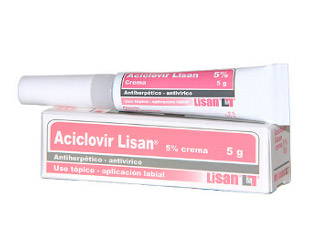
| Available Forms & Strengths | Cream (5%), 2g or 5g tubes/jars |
| Manufacturers | GlaxoSmithKline Australia, Sandoz, Apotex, Arrow Pharma |
| Prescription Status | Pharmacist-Only Medicine (S3), available without prescription over-the-counter in pharmacies |
Mechanism of Action
- For Patients: Acyclovir cream works by stopping the herpes simplex virus (the virus that causes cold sores and genital herpes) from multiplying. It helps your body fight off the infection more quickly and reduces the severity and duration of outbreaks.
- For Specialists: Acyclovir is a synthetic purine nucleoside analogue that, once phosphorylated to acyclovir triphosphate by viral thymidine kinase, selectively inhibits viral DNA polymerase, resulting in chain termination of viral DNA replication.
Pharmacokinetics
- Absorption: Very little acyclovir is absorbed into the bloodstream when applied as a cream; most of the action is localised at the area of application.
- Metabolism: Minimal metabolism occurs topically.
- Elimination: Trace amounts may be eliminated via urine if absorbed, but systemic exposure is negligible with proper topical use.
- Duration of Action: Apply every 4 hours during waking hours (about 5 times daily), as the cream’s effect is local and has a short duration at the application site.
Use in Everyday Life and Best Practices
Typical Dose: For adults and children, apply a thin layer of Acyclovir 5% cream to the affected area (usually lips or face for cold sores, or genitals) five times daily, approximately every 4 hours, for five days. If healing is not complete, continue for up to 10 days as advised by your pharmacist or doctor.
- When to start: Begin treatment as soon as possible after the first signs (tingling, redness, itching, or burning).
- How to apply: Wash hands before and after use. Apply enough to cover the affected area, gently rubbing it in. Avoid contact with eyes, inside the mouth, or inside the vagina.
- Other tips: Do not share your tube or jar to prevent virus spread. If you miss a dose, apply as soon as you remember, then continue as normal.
Dosing in the Morning vs Evening
- There is no significant difference in effectiveness when the cream is used in the morning or evening. The key is to apply it regularly (every 4 hours) throughout the day while awake.
- For best results, establish a routine (e.g., after breakfast, mid-morning, lunchtime, mid-afternoon, before bed).
- If you typically miss evening or morning doses, set a phone or watch alarm as a reminder.
Taking with Food or on an Empty Stomach
- No effect: As a topical cream, food has no effect on absorption or action.
- Context: You can safely apply Acyclovir cream before or after meals, snacks, or drinks — including the typical Australian diet (e.g., after breakfast, tea, or supper).
Interaction Warnings
| Type | Interaction | Advice |
| Food | No interaction | Can be applied regardless of meals/food intake |
| Alcohol | No interaction with topical use | Safe to use as directed, even with moderate alcohol consumption |
| Medications | Minimal systemic absorption; interactions extremely rare | If using other topical skin or cold sore treatments, seek pharmacist advice before co-application |
| Other Topical Creams | May dilute effect if applied at same site simultaneously | Do not mix with other creams/ointments unless advised |
Indications
| Indication | Status | Description |
| Herpes labialis (“cold sores”) | Official (TGA-approved) | Treatment of early cold sore outbreaks on lips/face |
| Genital herpes (external lesions) | Official | Shortens healing of recurrent external genital sores |
| Off-label: Herpetic whitlow, mild skin HSV | Off-label | If recommended by a healthcare professional for mild cases |
Dosing According to Clinical Indications
| Population | Indication | Recommended Dose and Duration |
| Adults | Cold sores, genital herpes | 5x/day (every 4 hours while awake) to affected area for 5 days (up to 10) |
| Children (2–12 years) | Cold sores | Same as adults; paediatric doses supported by safety data |
| Elderly | Cold sores, genital herpes | Same as adults; monitor frail patients for sensitivity |
| Immunocompromised patients | Cold sores, genital herpes | Same as adults; consider oral acyclovir if severe/systemic |
Safety Profile and Side Effects
| Frequency | Side Effect | Precautions |
| Common | Mild burning, stinging, itching, dry/flaky skin at site | Usually temporary; if severe, discontinue and consult pharmacist |
| Uncommon | Redness, swelling, rash (contact dermatitis) | Stop use if worsening or allergic reaction develops |
| Rare | Hypersensitivity (e.g., hives, swelling, severe itching) | Seek urgent medical attention if allergic symptoms arise |
| Very rare | Systemic side effects (headache, dizziness, GI upset) | Extremely unlikely with topical use; report persistent symptoms |
Guidelines for Proper Use (Pharmacist/Clinic Advice)
- Apply directly at the first sign of a cold sore (tingle/itch), as early treatment is most effective.
- Always wash hands before and after application to prevent virus spread.
- Do not use inside the mouth, nose or eyes, or on severe/chronic wounds.
- Avoid close contact (kissing, sharing utensils/towels) while symptomatic.
- If you have frequent outbreaks, discuss prevention options with your GP or pharmacist.
- If experiencing severe pain, swelling, or if the sore does not heal after 10 days, seek medical advice.
Alternative Treatment Options
- Other topical antivirals: Penciclovir cream is a similar agent (more frequent application, less widely available).
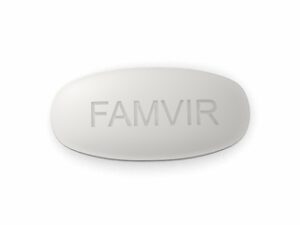
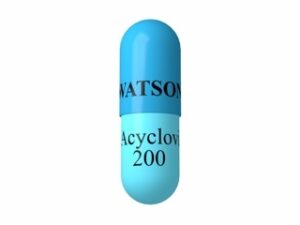
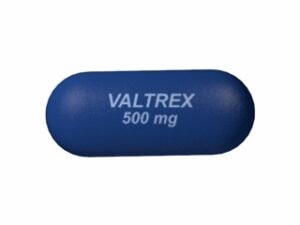
- Systemic therapy: Oral acyclovir, famciclovir, and valaciclovir tablets (prescription required)—may be advised for severe, frequent, or complicated cases, or in immunocompromised patients.
- Over-the-counter non-antiviral creams: Lysine, cold sore protective patches, or anaesthetic gels alleviate symptoms but do not target the virus directly.
- Pros & Cons Table:
| Treatment | Pros | Cons |
| Acyclovir 5% Cream | Easy, well-tolerated, rapid start; non-prescription | Needs frequent application, local mild reactions |
| Penciclovir Cream | Alternative for acyclovir allergies | Needs even more frequent application; costlier, less available |
| Oral antivirals | More effective for severe/recurrent cases | Prescription needed, possible systemic side effects |
| Supportive creams/patches | Symptom relief, easy application | Do not shorten or reduce virus activity |
Legal, Registration, and Reimbursement Status in Australia
- Registered with the Therapeutic Goods Administration (TGA) as a schedule 3 (S3) medicine; available from pharmacies without prescription.
- Classified as Pharmacist-Only due to the need for professional advice at purchase.
- Not listed under the Pharmaceutical Benefits Scheme (PBS) for topical use; cost is paid by patient (out-of-pocket).
- Pack sizes and pricing are controlled by pharmacy policy, but price competition is common.
Latest Research and Clinical Guidance (2022–2025)
- 2024 Australian guidelines confirm topical acyclovir is first-line treatment for cold sores if started early; oral antivirals reserved for complicated cases (Australian Journal of General Practice, 2024).
- Consensus supports pharmacists as primary point of care for uncomplicated cold sores (Therapeutic Guidelines Australia, 2023 update).
- No major resistance concerns in Australia; acyclovir remains broadly effective (British Journal of Dermatology, 2022 review).
- No new topical antivirals are currently approved for general pharmacy use in the UK or Australia.
Availability and Delivery
- Popular pack sizes: 2g and 5g tubes.
- Indicative price range: AUD $10–20 per tube (unsubsidised).
- Delivery: Most large pharmacies offer express or next-day delivery in metropolitan areas and 1–3 business days to regional centres.
| City | Typical Delivery Time | Notes |
| Sydney | Next business day | Metro pharmacy express and online options |
| Melbourne | Next business day | Same as above |
| Brisbane | Next business day | Most areas covered |
| Perth | 1–2 business days | Longer for remote postcodes |
| Adelaide | Next business day | Metro areas only |
| Regional/Rural | 2–5 business days | May vary with provider |
Frequently Asked Questions (FAQ)
- When should I start using Acyclovir cream?
Use at the first sign of a cold sore (tingle, itching, redness, or swelling) for best results. - Can I use Acyclovir cream inside my mouth or on my eyes?
No. Do not apply Acyclovir cream inside the mouth, eyes, or vagina. For these areas, consult your doctor for appropriate treatment. - Is it safe to use while pregnant or breastfeeding?
If you are pregnant or breastfeeding, consult your doctor or pharmacist before using. Acyclovir cream is generally considered safe when used as directed, but professional advice is recommended for special circumstances. - What if my cold sore does not heal after 10 days?
If the sore persists, gets worse, or you have frequent recurrences, consult your GP or pharmacist. Oral treatment or further investigation may be necessary. - Can children use acyclovir cream?
Yes, in children over 2 years, acyclovir cream can be used as directed by the pharmacist or doctor. Always supervise younger children and follow the dosing instructions.