
Zovirax (Acyclovir) — Patient Information for Australia
Basic Product Information
| International Nonproprietary Name (INN) | Acyclovir |
|---|---|
| Brand Names in Australia | Zovirax®, Aciclovir®, Viraban® |
| ATC Code | J05AB01 |
| Prescription Status | Prescription only (Schedule 4 medicine) |
| Available Forms & Strengths |
|
| Manufacturers in Australia | GlaxoSmithKline (GSK), Apotex, Mylan, Sandoz, Arrow |
Mechanism of Action
For patients: Zovirax (acyclovir) is an antiviral medicine used to treat infections caused by herpes viruses, such as cold sores, genital herpes, and shingles. It works by stopping the virus from growing and spreading inside your body, helping your immune system to clear the infection more effectively.
For specialists: Acyclovir is a synthetic nucleoside analogue. It requires phosphorylation by viral thymidine kinase to become active, converting to acyclovir monophosphate and subsequently to the active triphosphate by host cell enzymes. Acyclovir triphosphate selectively inhibits viral DNA polymerase and incorporates into viral DNA, causing chain termination and preventing viral replication.
Pharmacokinetics
- Absorption: Oral bioavailability is 15–30%. Peak plasma concentration is reached within 1.5–2 hours after oral administration.
- Distribution: Widely distributed in body fluids and tissues; low protein binding (9–33%). Crosses blood-brain barrier.
- Metabolism: Minimally metabolised in the liver to inactive metabolites.
- Elimination: Excreted primarily through the kidneys (glomerular filtration and tubular secretion); elimination half-life is 2.5–3.3 hours in adults with normal renal function.
- Duration of action: Requires dosing 2–5 times daily depending on indication and formulation.
Everyday Use & Best Practices
- Typical Adult Doses: For recurrent cold sores, 200 mg five times daily for 5 days; for genital herpes, 400 mg three times daily for 5–10 days; for shingles, 800 mg five times daily for 7 days.
- How to use: Take tablets with a full glass of water. Use cream only on affected skin—wash hands before and after application.
- Course of treatment: Always complete the course, even if symptoms resolve early. Start as soon as possible after symptoms begin for best results.
- Public health advice: Do not share medication. Avoid physical and sexual contact when experiencing active herpes lesions.
- Storage: Store below 25°C. Protect cream from direct sunlight.
- Travel: Carry a repeat script if travelling interstate or abroad within Australia.
- Driving and machinery: Acyclovir does not usually affect alertness or cognition.
Dosing: Morning vs. Evening
Zovirax is generally prescribed for multiple daily doses. Consistency is more important than the exact time, but spacing doses evenly (e.g., every 4–6 hours during waking hours for five times daily regimens) is best. Morning doses help establish adherence. For twice-daily (BD) regimens, dosing morning and evening is common. Late doses should be taken as soon as remembered, unless close to the next dose. Take the medicine at the same time daily to help form a routine.
Taking with Food or on an Empty Stomach
Zovirax tablets can be taken with or without food. Food does not significantly affect absorption, so you can have it with meals or snacks—handy for those with busy or irregular Australian eating habits. If gastrointestinal upset occurs, taking tablets with food or milk can help.
Drug and Food Interaction Warnings
| Interaction | Details and Management |
|---|---|
| Alcohol | No known adverse interaction. Moderate consumption allowed. |
| Other Antivirals (e.g., valaciclovir) | Avoid combining without doctor’s advice. Increased risk of kidney side effects. |
| Probenecid | Can increase acyclovir levels—dose adjustment may be needed. |
| Immunosuppressants (e.g., ciclosporin, mycophenolate) | Monitor kidney function closely. Inform your doctor. |
| Diuretics ("water tablets") | Rare kidney effects; stay well hydrated during treatment. |
| Food (general) | No clinically significant interactions with typical English/Australian diet. |
Indications
| Indication | Official (TGA) | Off-label/Other |
|---|---|---|
| Treatment of herpes simplex virus (HSV) infections (cutaneous, genital, mucosal) | Yes | — |
| Treatment of varicella-zoster virus (VZV) infections (shingles, chickenpox) | Yes | — |
| Herpes simplex prophylaxis (immunocompromised patients) | Yes | — |
| Suppressive therapy for recurrent genital herpes | Yes | — |
| Off-label: Bell’s palsy (HSV suspected), severe HSV skin infections in atopic dermatitis | — | Possible |
Dosing by Indication (Examples for Adults, Children, Elders)
| Indication | Adults | Paediatric | Elderly (adjust for renal function) |
|---|---|---|---|
| Cold sores (HSV-1) | 200 mg five times daily for 5 days | 20 mg/kg per dose (max 200 mg), four times daily for 5 days | As adult; monitor renal function |
| Genital herpes (initial/recurrent) | 400 mg three times daily for 5–10 days | 20 mg/kg per dose (max 400 mg), three times daily for 5 days | As adult; dose reduction in renal impairment |
| Shingles (herpes zoster) | 800 mg five times daily for 7 days | N/A (rare in children, specialist advice needed) | As adult; dose reduction in renal impairment |
Safety Profile & Side Effects
| Frequency | Side Effect | What to Do |
|---|---|---|
| Common (1–10%) | Nausea, headache, diarrhoea, tiredness | Usually mild, resolve with time; take with food if needed |
| Uncommon (<1%) | Dizziness, rash, itching, abdominal pain | Contact pharmacist or doctor if severe |
| Rare (<0.1%) | Kidney problems (confusion, drowsiness, reduced urine output) | Seek urgent medical attention; especially in older adults/those with kidney disease |
| Very Rare | Allergic reaction (swelling, difficulty breathing); severe skin reactions | Stop medicine and contact emergency services |
Guidelines for Proper Use in Australia
- Start as soon as symptoms appear: The sooner you begin treatment (within 48 hours for best results), the more effective acyclovir is at shortening the outbreak and reducing complications.
- Maintain hydration: Drink extra water during the course to support kidney health, especially important during hot Australian summers or if you’re physically active.
- Apply cream properly: Use clean hands and a cotton tip or clean fingers; avoid spreading the cream outside the affected area; do not cover with a plaster/bandage unless advised by a healthcare professional.
- Complete the course: Even if symptoms resolve, finish prescribed days to help prevent recurrence or resistance.
- Missed dose: Take it as soon as you remember, but skip if it’s nearly time for the next dose—never double the dose.
- Disposal: Return unused or expired medication to any Australian pharmacy for safe disposal.
- Special groups: Elderly and those with kidney disease may need lower doses or special monitoring.
Alternative Medicines (Comparison Table)
| Drug Name | Available in Australia | Pros | Cons |
|---|---|---|---|
| Valaciclovir (Valtrex®) | Yes (PBS-listed) |
|
|
| Famciclovir (Famvir®) | Yes (PBS-listed) |
|
|
| Penciclovir (Denavir® cream) | Yes (topical only) |
|
|
Legal, Registration & Reimbursement Status in Australia
- Legal status: Prescription required. Schedule 4 medicine under the Poisons Standard.
- Approval: Registered for use by the Therapeutic Goods Administration (TGA).
- Reimbursement: Tablet, oral suspension, and cream forms are covered under the Pharmaceutical Benefits Scheme (PBS) for eligible indications.
- Hospital supply: IV forms are used mainly in hospital settings for severe infections.
- Pharmacist supply (cream): Some low-strength creams may be available as Pharmacist Only Medicines for cold sores (ask in pharmacy).
Latest Research & Clinical Guidance (2022–2025)
- Australian guidelines (Therapeutic Guidelines: Antibiotic v17, eTG): Continue to recommend acyclovir as first-line for HSV and VZV, with valaciclovir as an alternative for convenience.
- Chronic suppression: Low-dose daily suppressive acyclovir reduces genital herpes recurrences and transmission risk (ref: Australasian Sexual Health Alliance, 2023).
- New studies: No strong evidence for major changes in dosing or indications since 2022. A small number of resistant HSV/VZV strains reported globally but remain rare in Australia (ref: N Engl J Med, 2024).
- Paediatric use: Well-tolerated in children with correct dosing. No new significant safety concerns.
Availability, Pack Sizes & Delivery
| Formulation | Common Pack Sizes | Indicative Price (PBS) |
|---|---|---|
| Tablets (200 mg) | 25, 50, 100 tablets | $6.30 (concession); $30.00–$39.00 (private) |
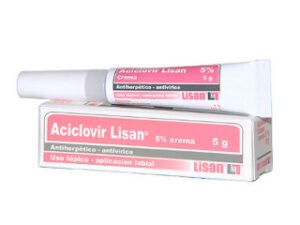
| Cream (5%) | 2 g, 10 g tubes | $12–$16 |
| Suspension (200 mg/5 mL) | 100 mL, 200 mL | $15–$25 |
Delivery Times to Major Australian Cities (standard pharmacy delivery):
| City | Estimated Delivery (business days) |
|---|---|
| Sydney | 1–2 |
| Melbourne | 1–2 |
| Brisbane | 2–3 |
| Perth | 3–4 |
| Adelaide | 2–3 |
| Hobart | 2–4 |
| Darwin | 3–5 |
| Canberra | 1–2 |
Express and Click & Collect options are usually available—ask your local pharmacy for current details.
FAQ – Common Patient Questions
- Can I stop taking Zovirax when my symptoms improve?
No. Always finish your prescribed course, even if you feel better sooner. Stopping early may cause the infection to return or encourage resistance. - Is it safe to use Zovirax during pregnancy or breastfeeding?
Acyclovir has been shown to be safe in pregnancy and breastfeeding when prescribed. Inform your doctor if you are pregnant or breastfeeding before starting any new medication. - Can I drink alcohol while taking Zovirax?
Moderate alcohol consumption is not known to interact with acyclovir. However, staying hydrated and moderating alcohol is always good practice, especially when unwell. - What should I do if a dose is missed?
Take it as soon as you remember; if nearly time for the next dose, skip the missed dose. Do not double doses to make up for a missed one. - Does Zovirax cure herpes?
No—acyclovir does not cure herpes, but it reduces symptoms, helps heal the infection faster, and lowers the risk of spreading the virus.
For further advice or personalised information, consult your pharmacist, GP, or infectious diseases specialist. Always follow the instructions on the dispensed label and the advice of your Australian healthcare providers.