
Valtrex (Valacyclovir): Patient Information Guide - Australia
1. Basic Product Information
- International Non-Proprietary Name (INN): Valacyclovir
- Australia Brand Names: Valtrex, Valaciclovir Sandoz, Valaciclovir Apotex, Valaciclovir Accord
- ATC Code: J05AB11
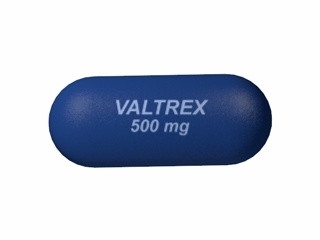
- Available Forms & Strengths: Film-coated tablets in 500 mg and 1,000 mg (1 g) strengths
- Manufacturers: GlaxoSmithKline (GSK), Sandoz, Apotex, Accord
- Prescription Status: Prescription-only medicine (Schedule 4, S4 - Prescription Only Medicine)
| Strength | Form | Pack Sizes |
|---|---|---|
| 500 mg | Film-coated tablet | 10, 30, 42 tablets |
| 1,000 mg | Film-coated tablet | 10, 30 tablets |
2. Mechanism of Action
For Patients: Valtrex is an antiviral medicine. It treats infections caused by herpes viruses, including cold sores, shingles, and genital herpes. Once in the body, Valtrex converts into aciclovir, which stops viruses from multiplying, helping the body to control the outbreak and heal faster.
For Healthcare Providers/Specialists: Valacyclovir is a prodrug of aciclovir that, after oral administration, is rapidly and almost completely converted to aciclovir and L-valine by first-pass intestinal and hepatic metabolism. Aciclovir inhibits viral DNA synthesis by competitive inhibition of viral DNA polymerase and chain termination following incorporation into viral DNA, selectively antagonising herpes simplex virus (HSV-1, HSV-2) and varicella-zoster virus (VZV).
3. Pharmacokinetics
- Absorption: Valacyclovir has good oral bioavailability (about 54%). It is rapidly absorbed from the gastrointestinal tract and converted to aciclovir.
- Metabolism: Almost completely converted to aciclovir and L-valine in the liver and intestine.
- Elimination: Primarily excreted through the kidneys. Dose adjustment required in renal impairment.
- Half-life: About 3 hours for aciclovir in healthy adults.
- Duration of Action: Typically, dosing twice or three times a day provides continuous antiviral protection.
4. Use in Everyday Life and Best Practices
Valtrex is commonly used in Australia to treat:
- Cold sores (herpes labialis)
- Shingles (herpes zoster)
- Genital herpes (both initial and recurrent episodes, and for suppression)
- Prevention of cytomegalovirus (CMV) following organ transplantation (specialist use)
How to Use:
- Take exactly as prescribed by your doctor or pharmacist.
- Swallow tablets whole with water.
- It is important to start treatment as soon as possible after symptoms begin.
- Complete the full course of treatment, even if you feel better earlier.
Dosing Example: For cold sores: 2,000 mg twice daily for 1 day (adults). For shingles: 1,000 mg three times daily for 7 days. For genital herpes: Varies by situation (see below table).
5. Dosing in the Morning vs Evening
- Consistency is Key: Try to take Valtrex at the same time(s) each day for best results.
- Morning Doses: Can help establish routine and support effectiveness, especially for once-daily or twice-daily regimens.
- Evening Doses: May fit patient work/life schedules or allow spacing for multiple daily doses.
- Tip: Set reminders or link with daily habits (e.g., brushing teeth) to aid adherence.
6. Taking Valtrex with Food or on an Empty Stomach
- Valtrex can be taken with or without food.
- Taking doses with meals can help reduce stomach upset, though this is uncommon.
- No significant reduction in absorption with food—especially important for those with irregular meal patterns.
- Fits well with typical English dietary habits; take with breakfast, lunch, or dinner as convenient.
7. Interaction Warnings
| Interaction Type | Details | Advice |
|---|---|---|
| Food | Minimal impact on absorption | May be taken with or without food |
| Alcohol | No direct interaction, but excess alcohol may impair immune function | Limit alcohol while unwell |
| Other medicines | Nephrotoxic drugs (e.g. ciclosporin, tacrolimus, certain antibiotics) | Increased risk of kidney problems; inform your doctor if using these |
| Renal impairment | Reduced excretion increases aciclovir levels | Dose adjustment required; regular monitoring |
8. Clinical Indications
| Indication | Approved Use (Australia) | Off-label / Special Use |
|---|---|---|
| Genital herpes simplex | Treatment and suppression | Recurrent severe outbreaks |
| Herpes labialis (cold sores) | Acute treatment | Prevention in high-risk patients |
| Herpes zoster (shingles) | Acute treatment | Immunocompromised adults |
| CMV prophylaxis | Prevention after organ transplant | Off-label: prophylaxis following specific stem cell transplantation |
| Varicella (chickenpox) | Not routinely used | Severe/recurrent in immunocompromised (specialist guidance) |
9. Dosing According to Clinical Indication
| Indication | Adults | Paediatric | Elderly / Renal Impairment |
|---|---|---|---|
| Herpes labialis (cold sores) | 2g twice, 12 hours apart (1-day only) | Not routinely used | As for adults; dose may need reduction in renal impairment |
| Genital herpes (initial) | 500 mg twice daily for 5–10 days | As per specialist advice | Reduced dose if impaired kidney function |
| Genital herpes (suppression) | 500 mg–1g once daily | Not routinely used | Consider lower doses |
| Herpes zoster (shingles) | 1g three times daily for 7 days | By specialist instruction | Dose reduction if reduced kidney function |
| CMV Prevention (transplants) | 2g four times daily (specialist) | Paediatric use by transplant specialist only | Careful monitoring; dose reduction usual |
10. Safety Profile & Side Effects
- Common Side Effects (may affect 1–10 in 100 users):
- Headache
- Nausea
- Stomach pain
- Dizziness
- Uncommon/Rare (<1%):
- Confusion, especially in the elderly
- Skin rash, itching
- Kidney function changes
- Severe allergic reaction (anaphylaxis, angioedema)
- Warnings:
- Reduce dose in kidney disease
- Use caution in pregnancy/breastfeeding—consult doctor or pharmacist
- Stop and seek medical help if you experience swelling, difficulty breathing, persistent confusion, or severe rash
11. Guidelines for Proper Use (Australian Practice)
- Take each dose as soon as you remember—do not double up if a dose is missed; take the next dose as scheduled.
- Drink plenty of water each day, especially if you are older or have kidney concerns.
- Complete the full course, even if the infection seems better.
- Store Valtrex below 25°C, away from direct sunlight and out of reach of children.
- Do not share your medication with others.
12. Alternative Treatment Options
- Aciclovir – Available as tablets, cream, or suspension. May require more frequent doses. Generally cost effective. May be used for same indications, but not as convenient for dosing.
- Famciclovir – Alternative oral antiviral option; similar indications and efficacy to valacyclovir. Once or twice daily dosing for some regimens.
- Description: Valtrex, Aciclovir, and Famciclovir are all subsidised by the Australian Pharmaceutical Benefits Scheme (PBS) for approved indications.
| Drug | Advantages | Disadvantages |
|---|---|---|
| Valaciclovir (Valtrex) | Twice/thrice daily dosing, well tolerated | Higher cost than aciclovir |
| Aciclovir | Lower cost, long-standing experience | Needs more frequent dosing (up to 5x daily) |
| Famciclovir | Once daily options for suppression | Less data for some indications |
13. Legal, Registration, and Reimbursement Status in Australia
- Registered in Australia by the Therapeutic Goods Administration (TGA)
- Available by prescription only (Schedule 4)
- Subsidised under the Pharmaceutical Benefits Scheme (PBS) for approved indications
- Not available over the counter; must be dispensed by a registered pharmacy
- For additional details, check TGA website and PBS website
14. Latest Research & Clinical Guidance (2022–2025)
- Australian and international guidelines continue to recommend valacyclovir as a first-line oral antiviral for herpes simplex and varicella-zoster infections (Australian Therapeutic Guidelines - Antibiotic 2023; British Association for Sexual Health and HIV 2023).
- Recent studies support early initiation of treatment (within 48–72 hours) to reduce symptom duration and risk of complications (e.g., post-herpetic neuralgia in shingles).
- Emerging evidence suggests similar efficacy and safety for all three main oral antivirals, with valacyclovir favoured for less frequent dosing and improved adherence (see: "Valacyclovir Efficacy in Herpes Zoster — BMJ Open 2023").
References available from your pharmacist or GP upon request.
15. Availability and Delivery (Australia)
| Pack Size & Strength | Indicative PBS Price* | Estimated Metro Delivery Time | Estimated Non-Metro Delivery |
|---|---|---|---|
| Valtrex 500 mg x 30 | $40–55 (PBS subsidised for eligible patients) | 1–2 business days | 2–4 business days |
| Valtrex 1,000 mg x 10 | $45–65 | 1–2 business days | 2–4 business days |
16. Frequently Asked Questions (FAQ)
- Is Valtrex safe to use long-term?
For most adults requiring suppressive therapy or frequent outbreaks, Valtrex is well tolerated for long-term use under regular medical supervision. Kidney function should be occasionally monitored, especially in older adults. - What should I do if I miss a dose?
Take the missed dose as soon as you remember. If it’s nearly time for your next dose, skip the missed one—do not double up. Continue your regular schedule. - Can I drink alcohol while taking Valtrex?
There is no direct interaction, but it's best to avoid excessive alcohol while unwell as it may impair your immune response and increase dehydration risk. - What should I do if my symptoms do not improve or worsen?
See your GP as soon as possible—you may require a reassessment, alternative antiviral therapy, or further investigations. - Can pregnant or breastfeeding women use Valtrex?
Use only under the advice of your doctor or specialist. There is some safety data, but careful risk-benefit assessment is essential. Discuss with your GP or pharmacist.
Always follow your doctor or pharmacist’s advice. This information is for general guidance only and does not replace medical consultation. Ask your community pharmacist about Valtrex if you have any further questions.