Sustiva (Efavirenz): Patient Information for Australia
Basic Product Information
- International Nonproprietary Name (INN): Efavirenz
- Australian Brand Names: Sustiva®, Stocrin®
- ATC Code: J05AG03
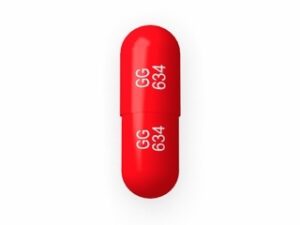
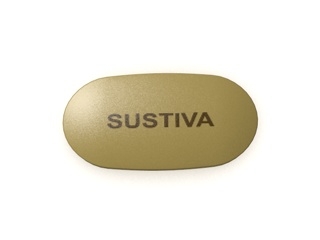
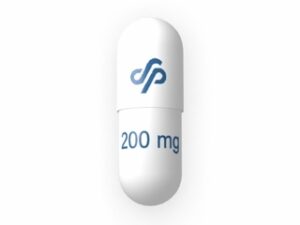
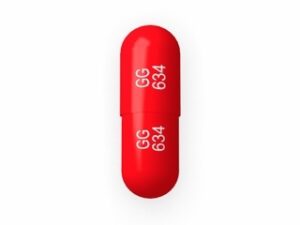
- Available Forms and Strengths:
- Capsules: 50 mg, 200 mg
- Tablets: 600 mg, 200 mg
- Manufacturers: Merck Sharp & Dohme (Australia) Pty Limited and various generic suppliers
- Prescription Status: Prescription only (Schedule 4 – S4 prescription medicine in Australia)
Mechanism of Action
For patients: Sustiva belongs to a group of antiretroviral drugs known as non-nucleoside reverse transcriptase inhibitors (NNRTIs). It is used to treat HIV infection by blocking the reverse transcriptase enzyme, which HIV needs to multiply. This helps lower the amount of virus in your body and supports your immune system.
For specialists: Efavirenz non-competitively inhibits HIV-1 reverse transcriptase by inducing a conformational change, thereby preventing viral RNA-dependent and DNA-dependent DNA polymerase activities required for viral replication. It has no inhibitory action on human DNA polymerases α, β, γ, or δ.
Pharmacokinetics
- Absorption: Readily absorbed; peak plasma concentrations reached 3–5 hours after oral intake. High-fat meals significantly increase systemic exposure.
- Metabolism: Extensively metabolised in the liver via cytochrome P450 enzymes (mainly CYP2B6 and CYP3A4).
- Elimination: Mostly excreted as metabolites in urine and faeces; less than 1% unchanged in urine.
- Half-life: Approximately 40–55 hours.
- Duration of Action: Once daily dosing is sufficient due to the long half-life.
Use in Everyday Life & Best Practices
- Efavirenz is used as part of antiretroviral therapy (ART) for HIV infection and is typically combined with two other HIV medicines.
- The usual recommended dose for adults is 600 mg once daily, often taken as one tablet at bedtime.
- Take Sustiva at the same time every day for best results.
- If you miss a dose, take it as soon as possible. If it's almost time for your next dose, skip the missed dose—don’t double up.
In Australia, ART is managed in collaboration with specialised clinics, GPs, and pharmacists experienced in HIV care. Medicines are dispensed only on prescription and ART adherence support is offered by many community pharmacies.
Dosing in the Morning vs Evening
- Evening dosing is preferred in Australia—usually at bedtime—to minimise central nervous system (CNS) side effects such as vivid dreams, dizziness, or drowsiness, which are more bothersome during waking hours.
- Some patients may prefer morning dosing, but this may increase awareness of CNS side effects and interfere with activities requiring alertness.
- Tip: Find a dosing time (usually around bedtime) that fits your schedule, and stick to it for better tolerability and adherence.
Taking With Food or on an Empty Stomach
- Recommendation: Take Efavirenz on an empty stomach (at least 2 hours after a meal) unless otherwise directed by your doctor.
- Taking it with a high-fat meal increases its absorption, which may increase side effects, especially CNS effects.
- Common Australian foods such as buttered toast, fried foods, or rich dairy should be avoided near dosing time to minimise side effects.
Interaction Warnings
| Interacting Substance | Effect | Advice |
|---|---|---|
| Alcohol | May worsen CNS side effects (drowsiness, confusion) | Avoid or limit alcohol use |
| Other HIV medicines | CYP interactions possible | Take only as prescribed—you may need dose adjustments |
| Rifampicin | Can lower efavirenz levels | Discuss with specialist if being treated for TB |
| Oral contraceptives | Can reduce contraceptive efficacy | Use an alternative or additional method of contraception |
| St. John’s Wort | Can lower efavirenz levels | Do not use together |
Indications
| Indication | Status | Details |
|---|---|---|
| HIV-1 infection (adults and children ≥3 months, ≥3.5 kg) | Approved | As part of combination antiretroviral therapy |
| Off-label: HIV post-exposure prophylaxis (PEP) | Occasional off-label use | May be used when preferred options not available or suitable |
Dosing According to Clinical Indication
| Population | Typical Dose | Comments |
|---|---|---|
| Adults & Adolescents ≥40 kg | 600 mg once daily | With other antiretrovirals |
| Children (≥3 months to 17 years) (Weight <40 kg) | Dose based on body weight: 13–15 kg: 200 mg 15–20 kg: 250 mg 20–25 kg: 300 mg 25–32.5 kg: 350 mg 32.5–40 kg: 400 mg Once daily | Use exact dosing as per prescriber direction |
| Elderly | 600 mg once daily | Use with caution; monitor for side effects |
| Renal impairment | No dose adjustment usually needed | Monitor hepatic function closely |
Safety Profile & Side Effects
| Frequency | Side Effect | Advice |
|---|---|---|
| Very common (≥10%) | Rash, headache, dizziness, trouble sleeping, vivid dreams | Most improve after a few weeks; take at bedtime |
| Common (1–10%) | Nausea, tiredness, difficulty concentrating, anxiety | Talk to your doctor if persistent or severe |
| Rare (<1%) | Liver problems, severe rash (Stevens-Johnson syndrome), psychosis, suicidal thoughts | Seek immediate medical attention if you notice jaundice, severe skin reactions, or new mental health symptoms |
Guidelines for Proper Use (Australia)
- Store at room temperature (below 30°C) and protect from moisture.
- Check with your healthcare provider before starting any new medication or supplement.
- Never share your medicine with others.
- Regularly attend specialist clinic appointments and have blood tests as advised.
- Adherence is key: Missing doses can lead to resistance. Consider using smartphone reminders or pill organisers.
- Contact your pharmacist if you experience unusual side effects or have questions about your medicines or lifestyle (diet, alcohol, sports, etc.).
- Women of childbearing potential should discuss contraception; efavirenz should be avoided in pregnancy unless advised by a specialist, especially during the first trimester.
Alternative Treatment Options
- Other NNRTIs: Rilpivirine (Edurant), Doravirine (Pifeltro)
- Integrase inhibitors: Dolutegravir (Tivicay), Raltegravir (Isentress) – now considered first-line in many cases
- Protease inhibitors: Atazanavir, Darunavir
- All above are available on the PBS (Pharmaceutical Benefits Scheme) in Australia, subject to specialist prescribing.
- Comparative Overview:
- Sustiva (efavirenz): Long experience, once daily, but more pronounced CNS side effects
- Doravirine: Less CNS toxicity, but less data in pregnant women
- Dolutegravir: Better tolerated, fewer interactions, currently first-line in Australia
Legal, Registration & Reimbursement Status in Australia
- TGA Approval: Registered as a prescription medicine (ARTG entry), S4 status.
- PBS Listed: Efavirenz is subsidised under the PBS for HIV treatment, subject to Section 100 (Highly Specialised Drugs Program) use by authorised prescribers.
- Prescription Requirement: Only with a valid prescription from a doctor authorised to prescribe HIV medicines
- Subsidy: Patients typically pay a PBS co-payment (general or concessional).
Latest Research and Clinical Guidance (2022–2025)
- Australian Society for HIV Medicine (ASHM) guidelines (2023) continue to recommend newer integrase inhibitors as preferred first-line agents. Efavirenz-based regimens remain effective, particularly where integrase inhibitors are not suitable or available.
- Efavirenz remains included on the WHO Essential Medicines List and is supported as an alternative in Australian national guidelines.
- Recent English and international studies (Lancet HIV 2022; AIDS 2023) confirm high viral suppression rates with efavirenz when used with two other active agents, but highlight neuropsychiatric risks.
- Pregnancy safety updates: Efavirenz should be avoided during the first trimester if possible due to potential teratogenicity risks, with close specialist input.
Availability and Delivery
- Pack sizes: 30, 90, or 120 tablets (600 mg usually 30 tablets per pack for monthly dispensing)
- Indicative price: PBS co-payment per pack (subject to changes each calendar year; check with your pharmacist)
- Typical delivery times to major Australian cities:
City Pharmacy Pickup Home Delivery Sydney/Melbourne/Brisbane Same day with script 1–2 business days Perth/Adelaide Same day to 1 business day 2–3 business days Regional towns 1 business day 2–4 business days
Pharmacies may offer express or discreet delivery for patients who value privacy.
FAQ – Frequently Asked Questions
- 1. Can I drink alcohol while taking Sustiva?
You should avoid or limit alcohol while taking Sustiva, as it can increase the risk of side effects such as dizziness and sleep disturbance. - 2. I missed a dose. What should I do?
If you miss a dose, take it as soon as you remember, unless it is almost time for your next dose. Do not double up; continue with your regular schedule. - 3. Is Sustiva safe during pregnancy?
Sustiva is generally avoided during the first trimester of pregnancy due to potential risks. If you may be pregnant or plan to conceive, tell your doctor right away. - 4. I’m experiencing unusual dreams and trouble sleeping. Should I stop?
These are common side effects, especially at the start of treatment, and often improve after a few weeks. Do not stop medicine without medical advice—consult your doctor or pharmacist for support. - 5. Can I take other medicines with Sustiva?
Many medicines interact with efavirenz. Always check with your doctor or pharmacist before starting any new medication or supplement, including herbal products.
Please note: This is a general information resource for Australian patients. Always follow your doctor’s instructions, and consult your healthcare provider for advice tailored to your circumstances.