Diprolene (Betamethasone): Patient-Friendly Medicine Overview
Basic Product Information
| International Non-proprietary Name (INN) | Betamethasone |
|---|---|
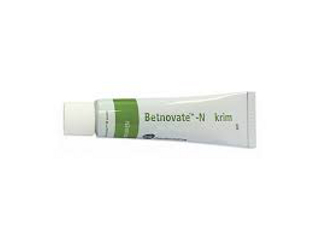
| Brand Names in Australia | Diprolene, Celestone, Betnovate |
| ATC Code | D07AC01 (preparations for topical use); H02AB01 (systemic use) |
| Available Forms and Strengths |
|
| Manufacturers | Merck Sharp & Dohme (MSD), Aspen Pharmacare, GlaxoSmithKline |
| Prescription Status | Prescription Only Medicine (Schedule 4, S4) |
Mechanism of Action
For Patients: Betamethasone is a potent corticosteroid (a ‘steroid’) medicine. It works by reducing inflammation, swelling, redness, and allergic reactions in your skin or body. When used as a cream or ointment, it helps relieve itching and discomfort caused by many skin conditions, like eczema and psoriasis.
For Specialists: Betamethasone dipropionate exerts its effect by binding to glucocorticoid receptors, altering gene expression, and dampening the immune response. This leads to decreased synthesis and release of inflammatory mediators, suppression of leukocyte infiltration, and reduced capillary permeability. Its high potency makes it suited for resistant dermatoses, but with a higher risk of systemic absorption, especially if used on large areas or with occlusion.
Pharmacokinetics
- Absorption: When used topically (on the skin), absorption varies based on skin thickness, condition, and whether the application is covered. Inflamed or broken skin absorbs more. Systemic absorption is low with typical use, but can increase with prolonged or extensive application.
- Metabolism: Once absorbed, betamethasone is metabolised in the liver to inactive forms.
- Elimination: Excreted via urine, mostly as inactive metabolites.
- Duration of Action: For topical preparations, symptom relief usually begins within hours and can last 12–24 hours; systemic effects may be longer-lasting.
Use in Everyday Life and Best Practices
Typical Doses:
For skin conditions such as eczema or psoriasis, a thin layer is applied to the affected area once or twice daily, as directed by your doctor. Use only as long as prescribed—usually no more than two weeks for children or four weeks for adults on any one area. Always wash your hands after applying, unless treating your hands. Avoid using on face, groin, or underarms unless advised, as these areas absorb more medicine.
How to Use (Australian Context):
- Clean and dry the affected skin.
- Apply a thin film gently.
- Do not cover with a tight bandage unless instructed by your healthcare professional.
- Do not use more or for longer than directed; overuse increases the risk of side effects and systemic absorption.
- Talk to your pharmacist about sun protection, as thinning of the skin can increase sensitivity.
Dosing: Morning vs Evening
- Morning application reduces risk of overnight occlusion, especially in hot Australian climates, and helps avoid systemic absorption.
- Evening application may help if you are less likely to wash the area and can increase medication contact time, but occlusion (covering) is discouraged unless directed by your clinician.
- For best results, apply at the same time each day. Consistency helps avoid skipping doses and maximises effectiveness.
Effect of Meals: With Food or on an Empty Stomach
For skin preparations, meals have no impact on effectiveness and you can apply Diprolene regardless of your diet. For oral or systemic injections, follow your doctor’s advice—these forms are rarely prescribed for self-administration except under specialist care.
In Australia, there are no major dietary restrictions linked to topical betamethasone; continue your usual healthy, balanced eating.
Interaction Warnings
Important interactions can occur if using systemic (oral/injection) betamethasone. For topical use, interactions are rare but possible if large amounts are used or if skin is broken/occluded. Always inform your GP or pharmacist about:
| Interaction Type | Details |
|---|---|
| Food | None significant for topical forms. |
| Alcohol | No major interaction, but excessive alcohol may worsen skin conditions or immune suppression if absorbed systemically. |
| Other Medications |
|
Indications
| Indication | Official / Off-label |
|---|---|
| Psoriasis (except widespread plaque psoriasis or in sensitive areas) | Official |
| Eczema (atopic dermatitis) | Official |
| Lichen planus, discoid lupus erythematosus | Official |
| Contact dermatitis, allergic reactions | Official |
| Oral lichen planus, anogenital dermatoses | Off-label |
| Keloids, hypertrophic scars | Off-label |
Dosing According to Clinical Indications
| Indication | Adults | Children | Elderly |
|---|---|---|---|
| Moderate-severe eczema | Thin layer, 1–2 times daily for up to 4 weeks | As above, but never more than 2 weeks; use lowest effective strength | Same as adults, but monitor more closely for thinning skin |
| Psoriasis | 1–2 times daily for 2–4 weeks; not recommended for widespread or facial use | Rarely used; only on specialist advice, short term | Cautious use; adjust frequency if fragile skin |
| Other dermatoses (e.g. lichen planus) | Up to 4 weeks, review after 2 weeks | Shortest possible duration | Monitor for local side effects |
Safety Profile and Side Effects
Most people tolerate Diprolene well when used as prescribed. However, potential side effects may occur, especially with overuse or long-term application.
| Common Side Effects | Rare/Serious Side Effects | Warnings/Precautions |
|---|---|---|
|
|
|
Guidelines for Proper Use (Australia Context)
- Use fingertip units to measure application: 1 brief “line” from fingertip to first crease generally covers an area about twice the size of an adult palm.
- Never apply more frequently or for longer than prescribed.
- Store below 25°C and out of direct sunlight, especially in hot climates.
- Avoid sharing creams between family members, even for similar skin problems.
- Discuss regular skin moisturisation with your pharmacist – a simple, fragrance-free emollient can help reduce steroid needs.
- If condition does not improve within 2 weeks, or worsens, consult your GP or dermatologist
Alternative Treatment Options
- Other topical steroids: Hydrocortisone (low potency), mometasone or fluticasone (medium potency), clobetasol (very high potency)—your doctor chooses depending on age, condition, skin area.
- Topical calcineurin inhibitors: Tacrolimus ointment, pimecrolimus cream (useful for facial/eyelid eczema, steroid-sparing options).
- Non-steroidal anti-inflammatories: Crisaborole (for mild-moderate atopic dermatitis).
- Phototherapy: Controlled UV light for psoriasis, eczema (specialist procedure, not for home use).
- Biological agents and systemic therapy: For severe or widespread conditions; available under PBS reimbursement in Australia for eligible patients.
Comparison Table:
| Alternative | Pros | Cons |
|---|---|---|
| Hydrocortisone | Very safe, available over the counter for mild conditions | Not effective for severe inflammation |
| Mometasone, Fluticasone | Good for medium strength needs | Not suitable for infants or delicate areas |
| Pimecrolimus, Tacrolimus | Non-steroid; no skin thinning | Expensive, stinging at first use |
| Crisaborole | Non-steroidal, safe for children | May not work for severe cases |
| Phototherapy | No creams or medication needed | Clinic visits required, not always accessible |
Legal, Registration, and Reimbursement Status in Australia
- TGA Registration: Diprolene and its generic equivalents are approved by the Therapeutic Goods Administration (TGA).
- Prescription Requirements: Schedule 4 (Prescription Only Medicine) – must be supplied by a pharmacist upon presentation of a prescription.
- Reimbursement: Many forms are subsidised under the Pharmaceutical Benefits Scheme (PBS) for eligible skin conditions; check with your pharmacist for the current PBS listing and co-payment.
- Authority to Prescribe: May require specialist authority for certain uses or long-term supply, particularly for paediatric patients or very large quantities.
Latest Research and Clinical Guidance (2022–2025)
- The Australasian College of Dermatologists and Australian Therapeutic Guidelines (Dermatology, 2023 update) recommend short, intermittent use of potent steroids like Diprolene for flare control, with prompt switch to milder agents or emollients for maintenance.
- Recent literature (Clifford et al., Br J Dermatol, 2023) confirms the importance of limiting duration and avoiding off-label use on sensitive sites to minimise side effects.
- Topical corticosteroids remain first-line therapy for moderate-severe eczema and psoriasis—for most patients, long-term safety is excellent if used correctly.
- New research into “steroid phobia” suggests that appropriate education improves adherence and clinical outcomes without increasing harm (Dermatology Reports, 2024).
- Emerging role for steroid-sparing alternatives (e.g., tacrolimus, crisaborole) in patients with long-term or steroid-resistant conditions.
Availability and Delivery
| Pack Size (Cream/Ointment) | Typical Retail Price (AUD) | Availability | Estimated Delivery Time |
|---|---|---|---|
| 15 g | $10-15 | All major pharmacies | Same day in Sydney, 1 day to Melbourne/Brisbane |
| 30 g | $18-27 | All major pharmacies | 1-2 days to most metro areas; rural 2-4 days |
| Scalp solution, 30 mL | $23-30 | By order, 2-3 days in metro areas | 2-5 days |
Prices may be lower with PBS subsidy for approved indications. For large or repeat orders, speak with your pharmacist about home delivery options.
Frequently Asked Questions (FAQs)
- 1. Can I use Diprolene on my face?
- No, unless your doctor specifically instructs you. The skin of the face is thinner and more prone to side effects. Only milder creams are usually recommended for the face.
- 2. What should I do if I forget to apply a dose?
- Apply as soon as you remember, unless it’s almost time for your next dose. Then skip the missed dose and continue as normal. Never double up.
- 3. Is it safe to use Diprolene during pregnancy or breastfeeding?
- Discuss with your GP; short-term use on small areas poses minimal risk, but prolonged or large-area application should be avoided unless absolutely necessary.
- 4. Will it interfere with my other medications?
- Topical Diprolene is unlikely to interact significantly with other medicines when used as directed. However, let your doctor or pharmacist know about all your current medication, especially if using other steroids.
- 5. How can I prevent skin thinning or other side effects?
- Use the cream only as prescribed, for the shortest effective time. Do not use on healthy skin, and combine with regular moisturiser to protect skin barrier.
For further questions and advice, please consult your community pharmacist or GP. If your symptoms persist, change, or worsen, arrange a review with your healthcare provider. For urgent medical concerns, contact your local emergency service.