Benemid (Probenecid) – Comprehensive Patient Information
Basic Product Information
| International Nonproprietary Name (INN) | Probenecid |
|---|---|
| Australian Brand Name(s) | Benemid® |
| Anatomical Therapeutic Chemical (ATC) Code | M04AB01 |
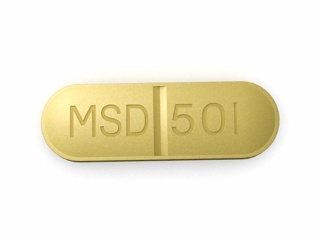
| Available Forms and Strengths in Australia | Tablets, 500 mg |
| Manufacturer(s) | Bristol-Myers Squibb, Various generic manufacturers |
| Prescription Status | Prescription Only Medicine (Schedule 4 - S4) |
Mechanism of Action
For Patients: Benemid (probenecid) works by helping your body get rid of extra uric acid through your urine. This helps reduce uric acid levels in your blood, which can prevent painful gout attacks or treat high uric acid caused by other medical conditions.
For Specialists: Probenecid is a uricosuric agent that inhibits the renal tubular reabsorption of uric acid at the proximal convoluted tubule. This increases the excretion of uric acid in urine, effectively lowering serum urate concentrations. It is also known to decrease the renal excretion of some medications (such as penicillins and cephalosporins), thus prolonging their action.
Pharmacokinetics
- Absorption: Well absorbed from the gastrointestinal tract after oral administration.
- Peak Plasma Levels: 2 to 4 hours after intake.
- Metabolism: Primarily in the liver to inactive metabolites.
- Elimination: Excreted mainly by the kidneys through urine.
- Half-life: Approximately 4 to 12 hours (may be shorter in some patients due to individual differences in metabolism).
- Duration of Action: Requires regular dosing, usually twice daily for consistent effect.
Use in Everyday Life and Best Practices
Benemid is used most commonly to prevent gout attacks by lowering uric acid levels in the blood. It may also be prescribed to help certain antibiotics (like penicillins) remain longer in your body. It is important to follow your doctor’s instructions carefully and not stop using Benemid without medical advice.
- Take Benemid exactly as prescribed—usually 500 mg twice daily (morning and evening), but your doctor may adjust this based on your response or other conditions.
- Benemid works best when your uric acid levels are monitored regularly. Your doctor will arrange blood tests from time to time and adjust your dose as needed.
- Stay well-hydrated. Drink plenty of water (at least 2 L per day) unless otherwise advised, as this helps prevent kidney stone formation.
- Do not stop taking without medical consultation, especially if managing chronic gout.
- Let your doctor or pharmacist know about all other medicines you take, including over-the-counter and herbal products.
Dosing in the Morning vs Evening
- Morning Dosing: May help establish a routine and reduce forgetting doses. Can be easier to monitor effects and notice any side effects during active hours.
- Evening Dosing: May spread out the medication’s effect, especially important with twice-daily regimens for stable blood levels.
- Best Practice: Take Benemid at approximately the same time(s) each day for best results. For twice-daily dosing, aim for 12-hours apart, e.g., after breakfast and evening meal.
Taking Benemid With Food or on an Empty Stomach
- Benemid can be taken with or without food. However, taking it with food or milk can reduce the chance of stomach upset.
- There are no specific food restrictions in the Australian context; a balanced English diet, high in hydration and moderate in purine-rich foods, is recommended to support treatment and prevent gout attacks.
- If you experience nausea or indigestion, try taking the tablet with a meal or snack.
Interaction Warnings
Benemid can interact with various foods, alcohol consumption, and other medications. Please see the summary below and consult your pharmacist or doctor for personalised advice.
| Interaction Category | Details |
|---|---|
| Food | No specific related foods, but a low-purine diet (limit offal meats, certain oily fish) is recommended. |
| Alcohol | Alcohol, especially beer and spirits, can raise uric acid levels and counteract probenecid. Best to limit or avoid. |
| Medications |
|
| Supplements | Inform your doctor about vitamin C or fish oil supplements, as they may have minor effects on uric acid. |
Indications
| Type | Clinical Use |
|---|---|
| Official (TGA Approved) | Chronic gout or hyperuricaemia, especially in adults who cannot tolerate or have inadequate response to xanthine oxidase inhibitors (e.g., allopurinol) |
| Adjunct Use | Prolonging blood levels of certain antibiotics (e.g., penicillin) in specific infections under close doctor supervision |
| Off-label | Rarely in tumour lysis syndrome or some kidney stone disorders, only under specialist advice |
Dosing According to Clinical Indications
| Indication | Adult Dose | Paediatric Dose | Elderly Dose/Advice |
|---|---|---|---|
| Chronic gout/hyperuricaemia | 250 mg twice daily for 1 week, then 500 mg twice daily (adjusted up to 2 g/day max) | Rarely used; if prescribed: 25–50 mg/kg/day in 2–4 divided doses (max 2 g/day). Specialist supervision needed. | Start with low dose; monitor for kidney function and adverse effects more closely. Ensure adequate hydration. |
| Antibiotic adjunct | 500 mg to 1 g orally 4 times daily (if necessary, adjusted case-by-case) | Rare; not routinely used | Consider lower dose and frequent monitoring |
Safety Profile and Side Effects
- Common Side Effects (1–10%):
- Gastrointestinal upset (nausea, vomiting, loss of appetite)
- Headache
- Dizziness
- Rash (seek medical attention if severe)
- Uncommon/Rare (<1%):
- Kidney stones or changes in urine
- Severe allergic reaction (swelling, trouble breathing – seek urgent care)
- Blood changes (anaemia, low white cells – detected by blood test)
- Liver problems (yellow skin/eyes, dark urine – seek medical attention)
- Warnings:
- Patients with a history of kidney stones or peptic ulcers should use with extra caution.
- Not recommended in acute gout attacks (may worsen symptoms if started during attack).
- Renal impairment requires dose adjustment and specialist advice.
Guidelines for Proper Use
- Take at the same times each day to maintain stable blood levels.
- Maintain high fluid intake (2+ litres per day, unless restricted by your doctor) to dilute urine and prevent stone formation.
- Monitor for side effects, especially if you have known kidney or stomach issues.
- Let your doctor know if you develop any signs of allergic reaction, unusual urine changes, or persistent stomach pain.
- Attend all scheduled blood and urine tests—these help detect side effects early.
- If you forget a dose, take it as soon as you remember, unless it’s almost time for the next dose—never double up doses.
- Store below 25°C, away from moisture and direct sunlight, and keep out of reach of children.
Alternative Treatment Options (PBS-Listed Medicines)
- Allopurinol (Zyloprim®, generics): First-line for most cases of gout. Less suitable if you have allergy or significant kidney disease. Tends to have fewer interaction issues than probenecid.
- Febuxostat (Adenuric®): Sometimes used if allopurinol is unsuitable. Not all patients are eligible for PBS subsidy; discuss with your GP or specialist.
- Colchicine: Used for acute gout attack relief, not directly as urate-lowering therapy.
- Non-pharmaceutical measures: Diet modifications, weight loss, alcohol reduction can all help manage and prevent gout.
Probenecid may be preferred if other urate-lowering medicines are not tolerated or indicated, or when prolonging the effects of prescribed antibiotics.
Legal, Registration, and Reimbursement Status in Australia
- Registered with the Therapeutic Goods Administration (TGA) for use in Australia.
- Available only with a valid doctor’s prescription (Schedule 4, S4 medicine).
- May be eligible for subsidised supply under the PBS (Pharmaceutical Benefits Scheme) for chronic gout in certain clinical situations, as determined by PBS criteria.
- Not a controlled drug; standard prescription and pharmacy collection is required.
Latest Research and Clinical Guidance (2022–2025)
- Australian Therapeutic Guidelines (eTG complete 2023): Urate-lowering therapy is recommended for persistent hyperuricaemia/gout; probenecid reserved for intolerance or contraindication to allopurinol/febuxostat.
- International guidelines (ACR 2022, EULAR 2023): Probenecid may be appropriate in selected patients, especially those with contraindications to xanthine oxidase inhibitors and with preserved kidney function.
- Research: Ongoing studies focus on optimal timing and combination therapies for gout, highlighting the possible role of uricosuric agents in refractory gout.
- Key literature: “Probenecid in the management of refractory gout — Current perspectives” (MJA, 2023), “Efficacy and Safety of Uricosurics” (Lancet Rheum, 2024).
Availability and Delivery
| Pack Size(s) | Indicative PBS Price (2024) | Standard Pharmacy Delivery (Sydney) | Standard Pharmacy Delivery (Melbourne) | Standard Pharmacy Delivery (Perth) | Standard Pharmacy Delivery (Brisbane) |
|---|---|---|---|---|---|
| 100 tablets (500 mg) | $39.50 (PBS co-payment; full price varies) | Same day to 2 business days | 1–2 business days | 3–4 business days | 1–2 business days |
Benemid 500 mg tablets may need to be ordered in by some pharmacies. Home delivery and in-pharmacy collection options are typically available nationwide.
Frequently Asked Questions (FAQ)
- Can Benemid be used during a gout attack?
It is not recommended to start Benemid during an acute gout attack as it can make symptoms worse. It is used to prevent future attacks, not to treat them. Let your doctor know if you are experiencing an attack before starting. - Does Benemid interact with common painkillers?
Aspirin and some other NSAIDs can reduce the effectiveness of Benemid. Paracetamol is generally considered safe to use. Always check with your doctor or pharmacist. - What should I do if I miss a dose?
Take the next dose as soon as you remember, unless it is nearly time for your next dose. Do not double up; simply return to your regular schedule. - Can I take Benemid if I have kidney disease?
Benemid may not be suitable if you have moderate to severe kidney impairment. Your doctor will assess your kidney function before prescribing and while you are on the medicine. - Should I change my diet while on Benemid?
A balanced English diet low in purine-rich foods, along with plenty of water, will support the medicine's effects. Limiting sugary drinks and alcohol, particularly beer, is also helpful.