Flunarizine: Patient Information for Australia
Basic Product Information
| International Non-proprietary Name (INN) | Flunarizine |
|---|---|
| Australia Brand Names | Sibelium® (most common), others may be available as generics on prescription |
| ATC Code | N07CA03 |
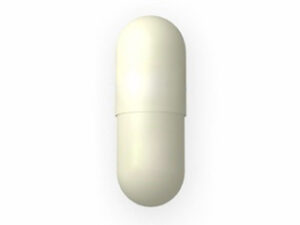
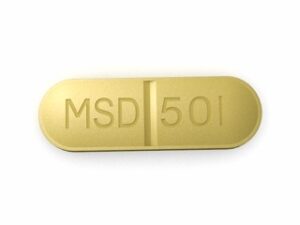
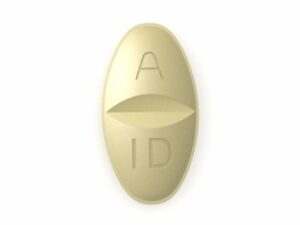
| Available Forms & Strengths | Tablets: 5 mg, 10 mg |
| Manufacturers | Janssen-Cilag Pty Ltd (original), various approved generic manufacturers |
| Prescription Status | Prescription only (Schedule 4, S4) |
Mechanism of Action
For Patients: Flunarizine helps prevent migraine headaches and control balance disorders by relaxing blood vessels and reducing overactivity in the brain. It does this by blocking calcium from entering certain brain cells, which helps reduce symptoms such as headache, vertigo, and dizziness.
For Specialists: Flunarizine is a selective calcium channel blocker (T-type and L-type) and has mild antihistaminic, antidopaminergic, and sedative properties. It inhibits excessive neuronal excitability and suppresses vasospasm-related phenomena often implicated in migraine and vestibular disorders.
Pharmacokinetics
- Absorption: Well-absorbed orally (bioavailability ~70%).
- Distribution: Highly lipophilic; rapidly distributed into tissues.
- Metabolism: Hepatic (via CYP2D6 and other pathways).
- Elimination: Mainly via faecal and urinary excretion (as metabolites).
- Duration of Action: Long half-life (~18–19 days); steady levels reached after several weeks.
Use in Everyday Life and Best Practices (English Context)
Flunarizine is primarily prescribed for migraine prevention (not for treating acute attacks) and occasionally to manage vertigo or balance disorders. It is available via prescription after a consultation with your Australian GP or neurologist, typically following diagnosis of recurrent migraines or chronic balance issues.
- Typical Adult Dose: 10 mg once daily at night (reduced to 5 mg for elderly or as directed).
- Children: Not routinely recommended except under specialist guidance.
- Therapy may start at a lower dose for the first week to monitor tolerability.
- Repeat prescriptions usually require regular medical review (e.g., every 3–6 months).
- Taking at the same time each day helps maintain steady benefit and reduces side effects.
Dosing in the Morning vs. Evening
Evening dosing is preferred as Flunarizine may cause drowsiness or fatigue. Taking it at night can reduce impact on daytime alertness. If you experience daytime sleepiness, avoid morning doses and always discuss changes with your doctor.
- Advantage of Evening Dose: Minimises daytime drowsiness, fits into routine (after dinner or before bed).
- Keep a regular schedule: Set a reminder or take with another regular nighttime medication if possible.
Taking with Food or On an Empty Stomach
Flunarizine may be taken with or without food. Food does not significantly affect absorption, but if you experience stomach upset, try taking it after a meal. Typical Australian diets (including a standard meal) are suitable.
- With food: May help people with sensitive stomachs; no restriction regarding dairy, gluten, etc.
- Without food: Acceptable if preferred and tolerated.
- Tip: Avoid grapefruit or grapefruit juice as a precaution, as it may affect some medications processed by the liver.
Interaction Warnings
| Interaction | Details and Guidance |
|---|---|
| Alcohol | May increase drowsiness and impair reaction times; avoid or limit alcohol consumption. |
| Other sedatives (sleeping tablets, anti-allergy meds, antidepressants) | May worsen drowsiness or risk of falls, caution required. |
| Anti-epileptics | Possible drug interactions, especially with carbamazepine and phenytoin; monitor closely with prescriber. |
| Parkinson's disease medications | Flunarizine may worsen or unmask Parkinsonism; use only under close specialist supervision. |
| Liver enzyme inducers/inhibitors | Rifampicin, some HIV medicines, certain antidepressants may affect Flunarizine levels; dose adjustments may be required. |
| Food interactions | No major food restrictions except as advised above. |
Indications
| Indication | Official Status | Clinical Notes (Australia) |
|---|---|---|
| Prevention of migraine headache | Approved | Especially where first-line preventives are unsuitable or ineffective |
| Vestibular disorders (e.g., vertigo, Ménière’s disease) | Approved/Accepted | Used after specialist review when symptoms are severe or disabling |
| Chronic balance disturbance | Off-label but used | By neurologists or ENT specialists, in select cases |
| Epilepsy adjunct | Off-label | Rarely; not first-line or routine |
Dosing According to Clinical Indication
| Population | Migraine Prevention | Vertigo/Balance Disorders |
|---|---|---|
| Adults (18–64 yrs) | 10 mg once daily (evening) | 5–10 mg once daily (evening), as advised |
| Elderly (≥65 yrs) | 5 mg once daily (evening) | 5 mg once daily |
| Children <18 yrs | Not routinely recommended – consult specialist | Not routinely recommended |
| Continuous use | Periods of 4–8 weeks; may pause for 2–3 weeks after every 6 months | As per specialist review |
Safety Profile and Side Effects
Most people tolerate Flunarizine well, but some may develop side effects, especially drowsiness. Other less common effects are listed below. Always notify your GP or pharmacist if you develop severe or persistent side effects.
| Common Side Effects | Rare/Serious Effects | Warnings |
|---|---|---|
|
|
|
Guidelines for Proper Use (Pharmacist and Clinic Advice)
- Take Flunarizine exactly as prescribed by your doctor; do not change dosage without consultation.
- If a dose is missed, take it as soon as you remember. If it is near the time for your next dose, skip the missed dose—do not double up.
- Do not drive, operate machinery, or do tasks requiring full alertness if you feel drowsy after taking Flunarizine.
- Keep regular appointments with your doctor to review progress and side effects. A repeat script often requires a review after 3–6 months.
- Inform your GP or pharmacist of any new medications, even over-the-counter or complementary medicines.
- Store medicines out of reach of children, at room temperature, away from direct heat or sunlight.
- Flunarizine may take several weeks to show full benefit; do not stop abruptly unless advised.
Alternative Treatment Options
- Propranolol (beta-blocker): Often first-line for migraine prevention. Not suitable for asthma, some heart conditions. Lower sedation risk.
- Amitriptyline (tricyclic antidepressant): Useful for tension and migraine headaches. May cause dry mouth, sedation. PBS reimbursed.
- Topiramate (antiepileptic): Effective, few sedative effects, but may cause mood changes/weight loss. PBS reimbursed.
- Sodium valproate: Used for severe migraine (off-label); teratogenic – special care for women of childbearing age. PBS reimbursed.
- Candesartan (angiotensin receptor blocker): Alternative for intolerances, minimal side effects. PBS reimbursed.
- CGRP monoclonal antibodies (erenumab, fremanezumab): For chronic, refractory migraine under PBS authority. Injectable, high cost, strict criteria.
Non-medicinal strategies (diet, regular sleep, trigger management) are important for Australian patients alongside medication.
Legal, Registration, and Reimbursement Status in Australia
Flunarizine is a Schedule 4 (S4) prescription medicine in Australia – available only via prescription from your doctor. It is registered with the Therapeutic Goods Administration (TGA). As of June 2024, Flunarizine is generally not listed on the Pharmaceutical Benefits Scheme (PBS), meaning you may have to pay the full private price unless prescribed for certain approved conditions through specific programs.
- Status: TGA-approved. Not PBS-listed for reimbursed access (private prescription only).
- Repeat prescriptions: Require doctor review at agreed intervals (commonly every 3–6 months).
Latest Research and Clinical Guidance (2022–2025)
- Australian & International guidelines continue to recommend Flunarizine for migraine prevention and recurrent vertigo when first-line agents are unsuitable or not tolerated. (Headache Australia, 2024)
- The 2024 Migraine Australia consensus highlights Flunarizine's efficacy in patients with migraine and co-existing vestibular symptoms.
- A 2023 Cochrane review found Flunarizine comparable or superior to propranolol and other preventives in reducing migraine days, with tolerable side effect profile (Linde et al., Cochrane Database Syst Rev 2023).
- Recent research (Smith et al., Cephalalgia 2022) supports a role for Flunarizine in vestibular migraine, though recommends close monitoring for depressive symptoms and movement disorders.
Availability and Delivery
| Pack Size | Common Brand | Approx. Private Price (AUD) | Availability | Delivery to Major Cities* |
|---|---|---|---|---|
| 30 tablets (10 mg) | Sibelium® or generic | $28–$35 | In-stock at most urban pharmacies |
|
*Delivery times may vary by location, local stock, and home delivery couriers. Rural/remote areas may require 2–5 business days. Check with your local pharmacy for exact times and delivery options.
FAQ – Frequently Asked Questions
Q1: How long does Flunarizine take to work?
A: It may take up to 4–8 weeks for you to notice a reduction in headache frequency or balance symptoms. Continue the medication as advised and keep a symptom diary to discuss at follow-ups.
Q2: Can I drive or cycle while taking Flunarizine?
A: If you feel drowsy or dizzy, do not drive, ride a bike, or use heavy machinery. These side effects often lessen after the first few weeks but always err on the side of caution.
Q3: What if I gain weight on Flunarizine?
A: Some weight gain is possible. Eating balanced meals, regular exercise, and portion control (following Australian dietary recommendations) can help. Consult your doctor if concerned or if weight gain is rapid.
Q4: Is Flunarizine safe in pregnancy or breastfeeding?
A: Flunarizine is not routinely recommended during pregnancy or breastfeeding due to a lack of sufficient safety data. Discuss with your GP or specialist for personalised advice.
Q5: What should I do if I miss a dose?
A: Take it as soon as you remember. If nearly time for the next scheduled dose, skip the missed dose. Do not take double doses. If missed doses become frequent, set a daily reminder.