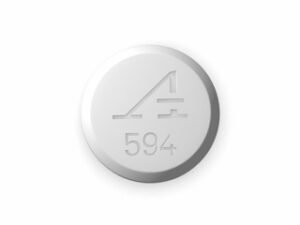
Baclofen: Comprehensive Patient Information for Australia
Basic Product Information
| International Nonproprietary Name (INN) | Baclofen |
|---|---|
| Australia Brand Names | Lioresal®, Baclofen Accord, Baclofen Sandoz |
| Anatomical Therapeutic Chemical (ATC) Code | M03BX01 |
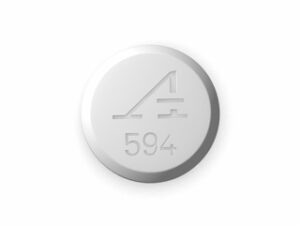
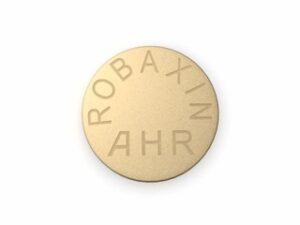
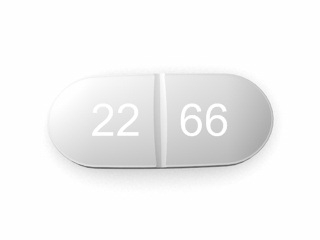
| Available Forms and Strengths | Tablets: 10 mg, 25 mg; Oral liquid: 5 mg/5 mL; Intrathecal injection: 0.05 mg/mL, 2 mg/mL |
| Manufacturers | Novartis Australia, Sandoz, Accord Healthcare |
| Prescription Status | Prescription Only Medicine (Schedule 4 - S4) |
Mechanism of Action
For patients: Baclofen works by relaxing muscles. It blocks nerve signals in the spinal cord that cause muscle tightness and spasms, helping to reduce stiffness and improve movement.
For healthcare professionals: Baclofen is a centrally acting skeletal muscle relaxant. It acts as a GABAB receptor agonist at the spinal level, inhibiting monosynaptic and polysynaptic reflex transmission, reducing the release of excitatory neurotransmitters.
Pharmacokinetics
- Absorption: Rapid and nearly complete oral absorption (~75–80%). Peak plasma levels 2–3 hours post-dose.
- Distribution: Low plasma protein binding (~30%). Limited crossing into the brain.
- Metabolism: Minimal hepatic metabolism; ~15% metabolised in the liver.
- Elimination: Mainly excreted unchanged via the kidneys (70–80%).
- Duration of Action: Effects generally last 4–8 hours after oral dosing.
Use in Everyday Life and Best Practices
Indication: Baclofen is primarily used to treat spasticity associated with conditions like multiple sclerosis, spinal cord injury, and cerebral palsy. It helps manage symptoms of muscle stiffness, cramping, and spasms—making daily activities more comfortable.
- Typical doses (Adults): Start with 5 mg orally three times daily. Dose may be increased by 5 mg every 3 days to a maximum of 80 mg per day as tolerated.
- Use: Take doses at evenly spaced intervals, usually morning, afternoon, and evening. Do not abruptly stop; dosage should be reduced gradually under medical supervision.
In Australia, pharmacists provide additional guidance on minimising side effects and managing tablets/liquids. Proper storage in a cool, dry place is essential.
Dosing: Morning vs Evening
- Morning dosing: May help alleviate stiffness upon waking. Useful for patients with daytime spasticity.
- Evening dosing: Can reduce nocturnal spasms and improve sleep quality. However, sedation may be more noticeable.
- Tips: Regularity helps control symptoms. Take doses at similar times each day. If drowsiness occurs, shifting more of the dose to the evening may help.
Taking with Food or on an Empty Stomach
- Baclofen can be taken with or without food.
- Taking with food or milk may help reduce stomach upset, a common initial side effect.
- Given the English diet, no specific food restrictions are necessary, but avoid large quantities of alcohol (see interaction table below).
Interaction Warnings
| Interaction | Details |
|---|---|
| Alcohol | Increases risk of drowsiness, dizziness, and overdose. Avoid or minimise alcohol intake. |
| CNS depressant medications (e.g. benzodiazepines, opioids, antihistamines) | Heightens sedative effect, increasing the risk of respiratory depression. Use with care. |
| Antihypertensives | Potential for additive drop in blood pressure. Monitor for hypotension. |
| NSAIDs (e.g. ibuprofen) | No direct interaction, but monitor for signs of kidney problems. |
| Dopaminergic drugs (e.g. levodopa) | Baclofen may reduce the effect; monitor patient symptoms closely. |
| Tizanidine or other muscle relaxants | Increased risk of excessive muscle weakness and sedation. |
| Renally excreted medicines | Baclofen can build up in patients with kidney impairment—dose adjustment may be needed. |
Indications
| Indication | Status | Notes |
|---|---|---|
| Spasticity in multiple sclerosis | Official | PBS-listed for this indication |
| Spinal cord injury/disease | Official | Commonly prescribed |
| Cerebral palsy | Official (paediatric use) | Dosing requires care |
| Spasticity from stroke or brain injury | Off-label | Expert supervision required |
| Alcohol dependence | Off-label | Specialist-initiated therapy |
| Intractable hiccups | Off-label | Used when other options ineffective |
Dosing According to Clinical Indication
| Indication/Population | Initial Dose | Maximum Dose | Notes |
|---|---|---|---|
| Adults (oral spasticity) | 5 mg 3 times daily | 80 mg/day (in 3–4 divided doses) | Titrate every 3 days as needed |
| Paediatric (oral, spasticity) | 0.3 mg/kg/day in 2–4 divided doses | Max 40 mg/day (under 8 years), 60 mg/day (8+ years) | Careful titration required |
| Elderly | Start with lower dose (2.5 mg 1–2 times daily) | Adjust with caution, max 40–60 mg/day | Increased risk of sedation/confusion |
| Renal impairment | Lower starting dose | Dose adjustment required | Monitor for side effects |
| Intrathecal use (specialist setting) | 50–100 micrograms test dose | Titrate to effect (max 800 micrograms/day) | Hospital/specialist care only |
Safety Profile & Side Effects
Baclofen is generally well-tolerated, but like all medicines, it can cause side effects. Most are mild and temporary.
| Common Side Effects | Uncommon/Rare Side Effects | Warnings |
|---|---|---|
|
|
|
Guidelines for Proper Use (Australia Context)
- Take Baclofen exactly as prescribed. Do not change your dose or stop without consulting your doctor.
- If you miss a dose, take it as soon as possible—but skip it if it’s nearly time for your next dose.
- Gradually discontinue under a doctor's supervision to avoid withdrawal symptoms.
- If you experience severe drowsiness, confusion, or breathing problems, seek medical help immediately.
- Store tablets and liquid in a cool, dry place below 25°C; do not leave in a car or bathroom.
- Keep out of reach of children; original packaging is best for safety and stability.
- Discuss with your pharmacist potential generic (PBS-subsidised) options to reduce costs.
Alternative Treatment Options
- Tizanidine (S4, PBS): Like Baclofen, used for muscle spasticity. May cause more drowsiness, but less muscle weakness. Not suitable for liver impairment.
- Diazepam (S4, PBS): Benzodiazepine muscle relaxant, but with higher risk of sedation, dependence, and falls. Often used short-term.
- Dantrolene (S4, PBS): Direct-acting muscle relaxant. Useful for chronic spasticity, but may cause liver toxicity and requires regular monitoring.
- Physical/occupational therapy: Essential component of spasticity management alongside drug therapy.
Pros/Cons: Baclofen is generally preferred for its efficacy and tolerability, but alternatives may be chosen based on individual needs, side effect profiles, co-existing medical conditions, or if Baclofen is not tolerated.
Legal, Registration, and Reimbursement Status in Australia
- Registered with the Therapeutic Goods Administration (TGA).
- Prescription-only medicine (S4) in all states and territories.
- Reimbursable through the Pharmaceutical Benefits Scheme (PBS) for listed indications (e.g. multiple sclerosis spasticity).
- Must be prescribed by a registered medical practitioner; some off-label uses require specialist initiation.
- Not a controlled drug (S8), but treated with care due to possible side effects and withdrawal risks.
Latest Research & Clinical Guidance (2022–2025)
- 2023 Australian clinical guidelines support Baclofen as first-line pharmacological therapy for spasticity management (Australian Prescriber 2023;46:6–13).
- Recent trials highlight Baclofen’s off-label benefit in managing alcohol dependence, but only under specialist care (The Lancet Psychiatry 2022;9:879–91).
- TGA safety notices (2022–2024) continue to emphasise dose titration and gradual discontinuation to minimise withdrawal and CNS adverse events.
- Research supports equivalence of oral and intrathecal Baclofen in appropriate clinical contexts, with intrathecal use reserved for severe, resistant cases (J Neurol Sci 2022;434:120169).
Availability and Delivery
| Form/Strength | Pack Size (tablets or mL) | Typical PBS Price* | Estimated Delivery (Sydney, Melbourne, Brisbane, Perth) |
|---|---|---|---|
| Tablets 10 mg | 100 | $12.50 concessional / up to $30 general | Same day–2 days |
| Tablets 25 mg | 100 | $12.50–$30 | Same day–2 days |
| Oral solution 5 mg/5 mL | 300 mL | $13–$30 | 1–3 days (regional up to 5 days) |
| Intrathecal (specialist use) | 1 ampoule | Variable, usually hospital supply | N/A (administered in hospital) |
*PBS prices may differ with safety net, Medicare status, and local policies.
Frequently Asked Questions (FAQ)
- Can I take Baclofen with my other medicines?
Baclofen can interact with alcohol, sedatives, sleeping pills, and some blood pressure medicines, increasing the risk of drowsiness or low blood pressure. Always inform your doctor and pharmacist of all your medicines to avoid problems.
- What do I do if I forget a dose?
If you miss a dose, take it as soon as you remember, unless it is almost time for your next dose—then skip the missed dose. Do not take two doses together.
- Does Baclofen cause drowsiness or affect driving?
Yes, Baclofen commonly causes drowsiness, especially when starting or increasing the dose. Avoid driving or operating heavy machinery until you know how it affects you.
- Where do I store Baclofen?
Store in its original packaging, in a cool, dry place below 25°C and out of children’s reach.
- Is Baclofen addictive or habit-forming?
No, Baclofen is not classified as addictive. However, stopping it suddenly (especially after long use) may cause serious withdrawal symptoms. Always follow your doctor’s instructions for stopping or reducing Baclofen.