Robaxin (Methocarbamol): Patient-Friendly Medicine Guide – Australia
Basic Product Information
| International Nonproprietary Name (INN) | Methocarbamol |
|---|---|
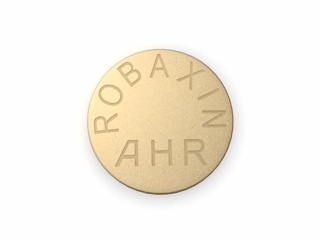
| Australia Brand Names | Robaxin® |
| ATC Code | M03BA03 |
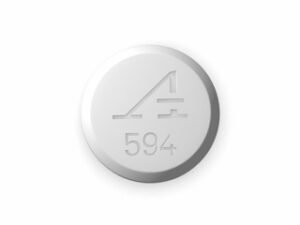
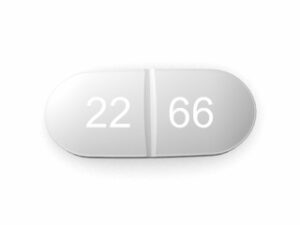
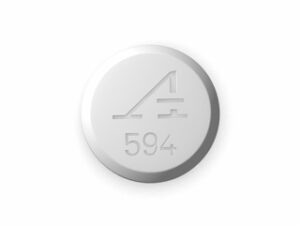
| Available Forms & Strengths | Tablets: 500 mg, 750 mg; Solution for injection: 100 mg/mL (occasionally hospital use) |
| Manufacturers (AU) | Various, including Key Pharmaceuticals, Mayne Pharma |
| Prescription Status | Prescription Only Medicine (Schedule 4/S4) |
How Robaxin Works (Mechanism of Action)
For Patients: Robaxin (methocarbamol) is a type of muscle relaxant that works in your central nervous system (the brain and spinal cord) to help relieve muscle spasms, pain, and stiffness often caused by injuries, strains, or musculoskeletal conditions. It does not directly relax muscles, but instead reduces nerve signals that make your muscles spasm.
For Specialists: Methocarbamol’s precise mechanism remains unclear, though it is believed to induce sedation and reduce polysynaptic reflexes at the spinal cord level. Its clinical effect is likely mediated through general CNS depression without directly acting on skeletal muscle fibres or neuromuscular junctions.
Pharmacokinetics
- Absorption: Rapid and well-absorbed after oral administration. Peak plasma concentrations in 1–2 hours.
- Metabolism: Extensively metabolised in the liver via dealkylation and conjugation.
- Elimination: Metabolites excreted primarily via urine.
- Duration of Action: Effects typically last 4–6 hours per dose.
- Half-life: Approximately 1–2 hours (may be longer in elderly or those with liver dysfunction).
Use in Everyday Life and Best Practices
Robaxin is widely used in Australia as a short-term treatment for acute painful muscle spasms. Common scenarios include lower back pain, whiplash, and recovery after minor musculoskeletal injuries.
- Typical adult dose: 1500 mg 4 times daily (may be reduced based on response and tolerability).
- Usual course: 2–3 days to a maximum of 2 weeks, alongside rest, gentle movement, and sometimes physiotherapy.
- Do not exceed prescribed dose or duration unless directed by your healthcare provider.
- Always use the medicine exactly as prescribed by your doctor or pharmacist.
Dosing: Morning vs. Evening
- Morning: Can help manage pain and stiffness during the day, improving daily function. However, drowsiness may impair driving or work requiring alertness.
- Evening: Beneficial for muscle spasms or pain that interferes with sleep. Drowsiness may actually help with nighttime discomfort.
- Best Practice: Take doses at evenly spaced intervals (e.g., every 6 hours) to maintain consistent effect and avoid missed doses.
- Tailor timing based on symptom severity and your schedule. Discuss with your pharmacist or doctor for personal advice.
Taking with Food or on an Empty Stomach
- Robaxin may be taken with or without food. Some people find taking it with a meal lessens nausea or stomach upset.
- In typical Australia dietary habits, pairing with breakfast, lunch, or simple snacks is common and safe.
- No specific foods to restrict for most patients. However, avoid excess alcohol (see interactions section).
Interaction Warnings
| Type of Interaction | Examples | Recommendations |
|---|---|---|
| Alcohol | Beer, wine, spirits | Can increase drowsiness and risk of accidents. Avoid or limit alcohol while taking Robaxin. |
| Other CNS Depressants | Sleeping tablets (zolpidem); strong painkillers (opioids); antihistamines; benzodiazepines | May cause stronger sedation, slow breathing, confusion – use with caution or avoid unless supervised. |
| Anticholinergic Drugs | Certain bladder, gut, or Parkinson’s medicines | Increased risk of confusion, blurred vision, dry mouth. |
| Other Muscle Relaxants | Baclofen, diazepam, tizanidine | Risk of additive side effects. Only use with explicit medical instruction. |
| Liver Enzyme Inducers/Inhibitors | Some anti-epileptics, antibiotics, antifungals | May alter how Robaxin is processed; check with your pharmacist. |
Indications for Use
| Indication | Official (TGA Approved) | Off-label |
|---|---|---|
| Acute musculoskeletal spasm (e.g. back pain, sprains) | Yes | No |
| Muscle spasm from injury or surgery | Yes | No |
| Spasticity in neurological diseases (e.g. MS, CP) | No | Yes, rare and specialist-supervised |
| Tetanus (adjunctive, hospital use) | Yes | No |
Dosing by Clinical Indication
| Population | Indication | Usual Dose & Frequency | Max Daily Dose |
|---|---|---|---|
| Adults | Acute musculoskeletal spasm | 1500 mg (3 × 500 mg tablets) 4 times daily | 6000 mg |
| Older Adults (>65 yrs) | Acute musculoskeletal spasm | May require lower dose, e.g. 1000 mg 4 times daily | Usually <4000 mg |
| Children >12 yrs | Severe muscle spasm (specialist only) | 250–500 mg every 6 hours | 2000 mg |
| Children <12 yrs | Not recommended | Use only if prescribed by a paediatric specialist | |
| Hospital (tetanus, injection) | Adjunct to standard tetanus care | Specified by hospital team | Varies |
Safety Profile & Side Effects
| Frequency | Side Effect | Notes/Warnings |
|---|---|---|
| Common | Drowsiness, dizziness | Do not drive or operate machinery if affected |
| Common | Nausea, mild stomach upset | May lessen with food |
| Occasional | Blurred vision, headache | Usually mild/transient |
| Occasional | Urine discolouration (brown/green/black) | Harmless but can alarm some patients |
| Rare | Allergic reactions (rash, swelling, breathing difficulty) | Stop use and seek emergency help |
| Very rare | Severe confusion, slow/irregular heartbeat, yellowing of eyes/skin | Seek urgent medical advice |
| Warnings | May worsen liver/renal impairment, or lower seizure threshold | Use with extra caution in these groups |
Guidelines for Proper Use (Australia Conditions)
- Read the medicine information leaflet provided with your pack.
- Take doses exactly as prescribed; do not double up if you miss a dose.
- Store at room temperature, away from direct sunlight and moisture.
- Notify your doctor if still needing Robaxin after two weeks, or if symptoms worsen.
- Be extra cautious if combining with other sedating medicines, or if you have liver/kidney problems.
- Carry identification noting you are taking muscle relaxants if driving long distances (Australia road safety).
- Medicines subject to misuse and diversion – never share your tablets with anyone else.
Alternative Treatment Options
- Paracetamol – First-line for pain, well-tolerated, widely available. Pros: Fewer side effects. Cons: Less potent for spasms alone.
- Ibuprofen/Naproxen (NSAIDs) – Effective for pain with inflammation. Pros: Multi-symptom relief. Cons: May irritate stomach, not ideal for all patients.
- Diazepam/Baclofen/Tizanidine – Other prescription muscle relaxants. Pros: Suitable for chronic or severe spasticity. Cons: Sedation risk, dependency potential.
- Physiotherapy/manual therapy – Strong evidence for non-drug approaches in most back and neck injuries.
- Australia reimbursement (PBS): Robaxin is not widely reimbursed for musculoskeletal spasm on the PBS; alternatives like diazepam may be subsidised in certain cases.
Legal, Registration, and Reimbursement Status in Australia
- Legal classification: S4 (Prescription Only Medicine)
- Registration: Therapeutic Goods Administration (TGA) registered medicine.
- Reimbursement: Not listed on the Pharmaceutical Benefits Scheme (PBS) for routine use in musculoskeletal spasm. Costs may be out-of-pocket, except for hospital use (e.g., tetanus cases or certain procedural indications).
- Prescription: Must have a valid Australian prescription; pharmacist dispensing only.
Latest Research & Clinical Guidance (2022–2025)
- 2022 RACGP Guideline for Low Back Pain: Methocarbamol may offer short-term relief for acute muscle spasm, but evidence for sustained benefit is limited. Non-drug therapies and exercise remain cornerstones of care (RACGP, 2023).
- Cochrane Reviews (2022–2024): Modest improvement in pain/spasm versus placebo, with increased risk of mild-to-moderate sedation/dizziness (Cochrane Database Syst Rev. 2023; Issue 7).
- TGA Alerts (2024): Reminded prescribers to avoid long-term or off-label use, particularly in older adults or those at higher falls risk.
- Literature update (The Medical Journal of Australia, 2024): Described judicious short-term use as reasonable for acute cases not responding to simple analgesia and physiotherapy.
Availability and Delivery (Australia)
| Pack Size (Tablets) | Typical Patient/Private Price | Delivery Time (Sydney, Melbourne, Perth, Brisbane) |
|---|---|---|
| 30 tablets (500 mg) | $20–35* | Sydney/Melbourne/Brisbane: 1–2 business days Perth: 3–5 business days |
| 100 tablets (500 mg) | $60–90* | Sydney/Melbourne/Brisbane: 1–2 business days Perth: 3–5 business days |
| Hospital vials (for injection) | N/A (hospital supply only) | Not for direct patient delivery |
FAQ – Frequently Asked Questions
- Can I drive while taking Robaxin?
Robaxin can cause drowsiness or slow reaction times. Do not drive, operate machinery, or perform hazardous tasks until you know how it affects you. If drowsy, wait until you feel fully alert before driving. - Is Robaxin addictive?
It is not considered addictive, but should only be used short-term as directed. Misuse can lead to side effects or dependency. Always follow your doctor’s instructions. - Can I take Robaxin with my usual morning coffee or tea?
Yes, there are no known problems with tea or coffee, though caffeine may offset mild drowsiness for some people. Avoid excess caffeine if you already have sleep trouble. - What should I do if I miss a dose?
Take the missed dose as soon as you remember, unless it is almost time for your next scheduled dose. Do not double up to make up for missed doses. - Can I use Robaxin with other painkillers?
You can usually take it with paracetamol or ibuprofen, but avoid combining with other muscle relaxants, sedating medicines, or alcohol unless your doctor advises. Ask your pharmacist for individual advice.
For further information: Contact your local pharmacist, doctor, or visit the Therapeutic Goods Administration website.
This information is not a substitute for professional medical advice. Always follow your healthcare provider’s directions.