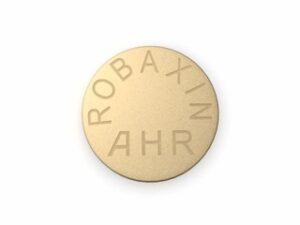
Colofac (Mebeverine Hydrochloride) – Patient Information Guide for Australia
Basic Product Information
| International Nonproprietary Name (INN) | Mebeverine Hydrochloride |
|---|---|
| Australia Brand Names | Colofac, Colofac IBS, Mebeverine Sandoz |
| ATC Code | A03AA04 |
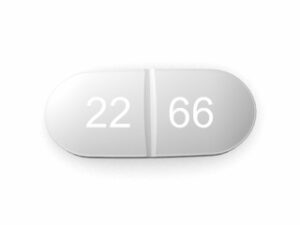
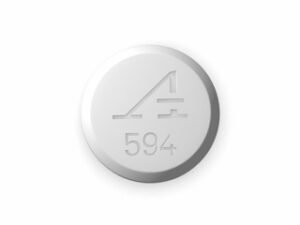
| Available Forms & Strengths | Tablets (135 mg), Modified-release Capsules (200 mg) |
| Manufacturers | Abbott Australasia, Sandoz Pty Ltd, Various licensed generics |
| Prescription Status | Pharmacy Medicine (Schedule 2). Some strengths may require a prescription (Schedule 4). |
Mechanism of Action
In simple terms: Colofac (mebeverine) is an antispasmodic medicine. It works by relaxing the muscles of the intestines, especially the colon. This helps to relieve symptoms of abdominal pain and cramps, bloating, and irregular bowel movements, typically associated with irritable bowel syndrome (IBS) and similar gut conditions.
For specialists: Mebeverine is a musculotropic antispasmodic that selectively acts on the smooth muscle of the gastrointestinal tract without affecting normal gut motility. It prevents and relieves smooth muscle spasms via inhibition of sodium channel influx, modulation of calcium ion translocation, and antagonism of acetylcholine-mediated contractions.
Pharmacokinetics
- Absorption: Rapidly absorbed from the gastrointestinal tract after oral administration. The modified-release formulation provides prolonged plasma levels.
- Metabolism: Mebeverine undergoes extensive first-pass metabolism in the liver; its main metabolites are veratric acid and mebeverine alcohol.
- Elimination: Primarily excreted as metabolites via urine. No significant accumulation with usual dosing.
- Duration of action: Effects last approximately 8-12 hours with modified-release capsules.
Use in Everyday Life and Best Practices in Australia
Colofac is commonly prescribed for adults in Australia with IBS symptoms. It is also used for the symptomatic relief of intestinal cramping and discomfort associated with other functional bowel disorders. The usual starting dose for adults is one 135 mg tablet taken 3 times daily or one 200 mg modified-release capsule twice daily. Swallow tablets or capsules whole with a sufficient amount of water.
- Missed doses: Take as soon as remembered, unless it is almost time for your next dose. Do not double up.
- Routine use: Take at the same times each day to establish a routine and maximise benefits.
- Duration: Most patients require Colofac for several weeks, but it can be used long-term under guidance from your doctor.
- Storage: Store below 25°C. Keep out of reach of children.
Dosing Morning vs Evening
- Morning dosing: Helps prepare the gut for breakfast and daily activities. May prevent waking abdominal pain and discomfort.
- Evening dosing: Especially with modified-release capsules, continues to control nighttime or early morning symptoms.
- Tips: Consistency is important. For best effect, space doses evenly and link them with regular meals (e.g., breakfast and dinner).
Taking with Food or on an Empty Stomach
- Colofac tablets or capsules may be taken with or without food.
- If you notice stomach upset, try taking it after a light meal (typical Australian breakfast, e.g., toast or cereal).
- High-fat meals are not known to affect absorption significantly, but taking the medicine with heavy or spicy meals should be avoided if you are prone to digestive upset.
In line with Australian dietary habits—balanced meals, moderate fibre intake—Colofac can be integrated with minor dietary adjustments as needed for your IBS or bowel symptoms. Consult your doctor or pharmacist for personalised dietary recommendations.
Interaction Warnings
| Type | Interaction | Action/Advice |
|---|---|---|
| Food | None significant | Safe with or without food |
| Alcohol | No major interactions reported | Moderate, responsible intake is unlikely to affect treatment |
| Medications | Low interaction potential. No significant CYP enzyme inhibition/induction | No routine precautions. Always disclose all medicines to your pharmacist/doctor |
| Herbal supplements | No documented interactions | Use with usual caution |
Indications
| Indication | Approved Status | Notes |
|---|---|---|
| Irritable bowel syndrome (IBS) | Approved | For relief of abdominal pain and cramps, bloating, bowel dysfunction |
| Spastic conditions of the colon and gastrointestinal tract | Approved | Including diverticular disease |
| Functional bowel disorders (e.g., non-ulcer dyspepsia) | Off-label | At doctor's discretion |
| Pediatric use | Not routinely recommended under 18 years | Off-label; specialist advice required |
Dosing According to Clinical Indication
| Patient group | Formulation | Usual Dose | Notes |
|---|---|---|---|
| Adults | 135 mg Tablet | One tablet three times daily | Up to 2-4 weeks (evaluate ongoing need) |
| Adults | 200 mg MR Capsule | One capsule twice daily | Maximum once every 12 hours |
| Elderly | As above | Same dosing | No specific dose adjustment needed |
| Children 10-18 years | 135 mg Tablet | One tablet twice daily | Under specialist supervision only |
| Children under 10 years | Not recommended | – | Safety/efficacy not established |
Safety Profile and Side Effects
Common Side Effects
- Mild gastrointestinal upset (nausea, constipation, or diarrhoea)
- Headache
- Dizziness
- Skin rash or irritation (rare)
Less Common/Rare Side Effects
- Hypersensitivity reactions (angioedema, urticaria)
- Swelling of face, tongue, or throat (seek urgent medical help)
- Allergic rash, erythema, pruritus
Warnings
Do not take Colofac if you are allergic to mebeverine, or any other ingredients in the formulation. Seek urgent medical attention if you experience severe allergic symptoms, such as difficulty breathing, swelling of the lips/face, or severe skin rash. Use caution if you have kidney or liver impairment—consult your doctor before starting treatment. The safety of Colofac during pregnancy and breastfeeding has not been firmly established; discuss risks and benefits with your healthcare provider.
Guidelines for Proper Use: Australian Advice
- Always follow your doctor's or pharmacist's instructions about dose and duration.
- Do not crush or chew modified-release capsules; swallow whole.
- Monitor your symptoms with a diary—note any triggers (e.g., foods, stress).
- Encourage a balanced diet (Australian Dietary Guidelines), regular moderate exercise, and adequate hydration for digestive health.
- If symptoms do not improve or worsen within 2 weeks, return to your doctor for review.
- Colofac is not a cure for IBS or functional gut disorders but can help relieve symptoms.
Alternative Treatment Options
- Buscopan (Hyoscine butylbromide): Also available OTC, commonly used for abdominal cramps but may cause more drowsiness or dry mouth.
- Pepppermint oil capsules: Some patients find peppermint oil helpful for mild IBS symptoms; available OTC; caution in reflux disease.
- FODMAP-reduced diets: Dietary management with guidance from an Accredited Practising Dietitian (APD) is evidence-based and can help manage IBS symptoms.
- Prescription-only treatments: Include tricyclic antidepressants (TCAs) at low doses, SSRIs, and other antispasmodics (only when advised by a specialist).
Your doctor or pharmacist can help choose the best option for you based on symptom type, severity, and any other health conditions.
Legal, Registration, and Reimbursement Status in Australia
- Colofac (mebeverine hydrochloride) is registered on the Australian Register of Therapeutic Goods (ARTG) and regulated by the TGA (Therapeutic Goods Administration).
- It is available as a pharmacy-only medicine (some strengths in Schedule 2; higher strengths might be Schedule 4/prescription-only).
- As of 2024, mebeverine is not routinely subsidised under the Pharmaceutical Benefits Scheme (PBS).
- Cost is typically borne by the patient (“private prescription” or OTC purchase), but generic options reduce cost.
Latest Research and Clinical Guidance (2022–2025)
- A 2023 review in the Journal of Gastroenterology and Hepatology supports the use of mebeverine for primary symptom control in IBS, particularly for patients with frequent cramping and minimal constipation (Read review).
- 2022 update to RACGP guidelines suggests that antispasmodics, including mebeverine, may provide effective short-term relief for abdominal pain in IBS, as part of an individualised, multi-modal management plan.
- Patient-centred approaches, including dietary, psychological, and pharmacological therapies, have the best evidence for sustained improvement.
- Long-term safety of mebeverine remains favourable, with minimal systemic side effects or drug interactions reported.
Availability and Delivery Information
| Formulation/Pack Size | Typical Retail Price (AUD) | Approximate Delivery Time (Sydney, Melbourne, Brisbane, Perth) |
|---|---|---|
| Colofac 135mg 100 tablets | $25–$35 | 1-2 business days (Sydney, Melb, Bris); 3-4 days Perth |
| Colofac 200mg MR 60 capsules | $30–$40 | 1-2 business days (Sydney, Melb, Bris); 3-4 days Perth |
| Mebeverine Sandoz 135mg 30 tablets (generic) | $12–$18 | 1-2 business days metro, 3-5 days regional/remote |
FAQ – Frequently Asked Patient Questions
1. How quickly does Colofac start to work?
Most patients notice symptom relief within a few days, but full benefit may take 1-2 weeks. If symptoms persist after 2 weeks of regular use, see your doctor.
2. Can I take Colofac with other medicines?
Yes, Colofac has a very low risk of interactions. Always let your healthcare provider know about all other medicines or supplements you are taking.
3. Should I follow a special diet while taking Colofac?
There is no mandatory diet, but a healthy balanced diet as per Australian recommendations is advised. Some patients benefit from a low-FODMAP diet or cutting back on gut irritants (high-fat, spicy foods, caffeine).
4. Is Colofac safe during pregnancy and breastfeeding?
Safety in pregnancy and breastfeeding has not been firmly established—use only if prescribed by your doctor, and discuss potential risks and alternatives.
5. What should I do if I forget a dose?
Take the forgotten dose as soon as you remember, unless it is time for your next dose. Never take a double dose to make up for a missed one.