
Buspirone: Comprehensive Patient Guide for Australia
Basic Product Information
| International Nonproprietary Name (INN) | Buspirone |
|---|---|
| Common Australia Brand Names | Buspar (no longer marketed in AU), generic brands (e.g., APO-Buspirone, GenRx Buspirone) |
| ATC Code | N05BE01 |
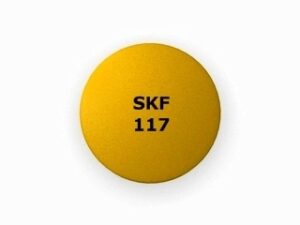
| Available Forms and Strengths | Tablets: 5 mg, 10 mg |
| Manufacturers (Australia) | Apotex, Sandoz, Sigma Pharmaceuticals, others (generics) |
| Prescription Status | Prescription Only Medicine (Schedule 4, S4) |
Mechanism of Action
For Most Patients: Buspirone is an anti-anxiety medicine that helps balance chemicals in the brain, particularly serotonin and dopamine, which improves mood and reduces symptoms of anxiety.
For Specialists: Buspirone acts as a partial agonist at the 5-HT1A serotonin receptor and has moderate affinity for dopamine D2 receptors. Unlike benzodiazepines, it does not affect GABA neurotransmission and lacks muscle relaxant, anticonvulsant, and sedative effects.
Pharmacokinetics
- Absorption: Buspirone is rapidly absorbed from the gastrointestinal tract. Peak plasma concentration typically occurs within 60–90 minutes of taking the tablet.
- Metabolism: Extensively metabolised by the liver (primarily CYP3A4). Metabolites are mostly inactive.
- Elimination: Excreted mainly as metabolites in urine (60%) and faeces (30%). Minimal unchanged drug is excreted.
- Duration of Action: Relatively short, so buspirone is usually taken 2 or 3 times daily.
- Half-life: Approximately 2–3 hours.
Buspirone in Everyday Life & Best Practices
- Typical Doses: Adults start with 5 mg two or three times daily; dose may be increased every several days (as per doctor's advice), up to a usual maximum of 60 mg per day.
- How to Use: Swallow the tablet with water, ideally at the same times each day for best results.
- Routine: Take regularly even if you feel well. It may take 2–4 weeks to feel the full benefit.
- Missed Dose: Take as soon as you remember, unless it's nearly time for the next dose. Do not double up.
Dosing in the Morning vs Evening
- Morning Dosing:
- May suit people who experience anxiety mainly in the morning or daytime.
- Reduces the risk of insomnia compared to evening dosing.
- Evening Dosing:
- Split dosing is common – morning and evening for stable blood levels.
- Does not typically cause drowsiness, but a minority experience mild sedation.
- Tips: Stick to a regular schedule for best effect and to reduce side effect risk. Discuss timing with your GP/pharmacist if you have shift work, insomnia, or complex schedules.
Taking Buspirone with Food or On an Empty Stomach
- Effect of Meals: Food increases buspirone absorption but blood levels also vary. It's best to take each dose consistently in relation to food (always with or always without), for steady action.
- Australian Dietary Habits: There are no specific foods you must avoid, but consistent habits (e.g., with breakfast or dinner) aid in remembering your dose and reduce fluctuations.
Interaction Warnings
| Interacting Substance/Class | Potential Effect | Advice |
|---|---|---|
| Alcohol | Increased central nervous system side effects | Avoid or limit alcohol while taking buspirone |
| Grapefruit/Grapefruit juice | Can increase buspirone levels | Avoid grapefruit products |
| Macrolide antibiotics (e.g., erythromycin) | May raise buspirone blood levels | Tell your doctor before starting new medicines |
| Antifungals (itraconazole, ketoconazole) | Increase risk of side effects | Consult your doctor/pharmacist |
| Mood stabilisers (SSRIs, SNRIs, MAOIs, lithium) | Serotonin syndrome risk with some combinations | Discuss thoroughly with your health team |
| Benzodiazepines | No direct interaction, but withdrawal from benzodiazepines should be gradual if switching to buspirone | Medical supervision recommended |
| Other CNS medicines (antipsychotics, sedatives) | Potential for increased CNS effects | Tell your doctor all medicines you take |
Indications for Use
| Indication | Registration in Australia | Comment |
|---|---|---|
| Generalised Anxiety Disorder (GAD) | Yes (PBS listing possible) | Buspirone’s main approved indication |
| Short-term relief of anxiety symptoms | Yes | When non-drug approaches have not sufficed |
| Depression-related anxiety | Off-label | Doctor may prescribe if clinically necessary |
| Adjunct in other anxiety disorders (social anxiety, panic disorder) | Off-label | Less robust evidence, specialist use |
Dosing According to Clinical Indication
| Indication/Population | Recommended Starting Dose | Typical Maintenance Dose | Max. Daily Dose |
|---|---|---|---|
| Adult (GAD/anxiety) | 5 mg 2-3 times daily | 15–30 mg per day in divided doses | 60 mg |
| Elderly | 5 mg 2 times daily | Individualised; often lower end (10–20 mg/day) | Not usually above 45 mg |
| Pediatric (under 18) | Safety not established | Not recommended | — |
| Liver/Kidney impairment | Use caution; start at lowest dose | Lower doses may be needed, monitor closely | — |
Safety Profile & Side Effects
Buspirone is generally well-tolerated, especially compared to older anti-anxiety medications. Below is a summary of possible effects:
| Common Side Effects (>1%) | Uncommon/Rare Side Effects | Warnings/Cautions |
|---|---|---|
|
|
|
Guidelines for Proper Use – Australian Conditions
- Always take buspirone as prescribed. Do not increase or lower the dose yourself.
- Keep to regular dosing times. Set a phone reminder or link to meal/tea breaks.
- If you have questions or experience unexpected side effects, contact your Australian pharmacist or GP quickly.
- Store at room temperature, away from humidity and heat, and out of reach of children.
- Do not stop abruptly without consulting your prescriber, even though buspirone does not cause physical dependence. Stopping suddenly can cause symptoms to return.
Alternative Treatment Options in Australia
- Selective Serotonin Reuptake Inhibitors (SSRIs): (e.g., sertraline, escitalopram; commonly used, reimbursed by PBS)
- Serotonin-Noradrenaline Reuptake Inhibitors (SNRIs): (e.g., venlafaxine)
- Benzodiazepines: (e.g., diazepam, lorazepam; short-term only, risk of dependence)
- Cognitive Behavioural Therapy (CBT): Considered first-line for most anxiety disorders in Australia; available via Medicare rebates
Brief Comparison:
- Buspirone: Non-sedating, non-addictive, moderate effect size for anxiety, slower onset (~2–4 weeks).
- SSRIs/SNRIs: Broader effectiveness, also helpful for depression, sometimes initial agitation or GI side effects.
- Benzodiazepines: Rapid relief, but high risk of dependency, cognitive effects, and withdrawal.
- CBT: No medication side effects, powerful long-term results, but requires time and regular sessions.
Legal, Registration, and Reimbursement in Australia
- Law & Regulation: Buspirone is a Schedule 4 Prescription Medicine under the Poisons Standard (TGA, Australia).
- Regulatory Authority: Registered by the Therapeutic Goods Administration (TGA).
- Pharmaceutical Benefits Scheme (PBS): Buspirone may be subsidised under PBS for GAD and certain anxiety states (check current status as formularies may change).
- Prescription Required: Must be prescribed by a registered medical practitioner.
- Not controlled: Unlike benzodiazepines, buspirone is not classified as a controlled medicine due to low abuse risk.
Latest Research & Clinical Guidance (2022–2025)
- Current Guidelines: Australian and international consensus (e.g., RANZCP, NICE) continue to support buspirone as second-line therapy for generalised anxiety disorder, especially if SSRIs/SNRIs are unsuitable.
- Recent Reviews: Systematic analyses (Lancet Psychiatry 2024, Aust N Z J Psychiatry 2023) confirm persistent efficacy and a favourable side-effect profile versus benzodiazepines.
- New Updates: 2024 TGA review emphasises consistent use and patient education, highlighting the lack of addictive potential as a key benefit.
- Caution: Not first-line for panic or social anxiety disorders, and not effective for acute anxiety crises.
References: Lancet Psychiatry 2024; Aust N Z J Psychiatry 2023; RANZCP Clinical Practice Guidelines 2024. Please consult your GP or pharmacist for full access to medical literature.
Availability, Delivery, and Indicative Pricing
| Pack Size | Common Brand | Indicative Price (AUD) | Common Delivery Times (Major Cities) |
|---|---|---|---|
| 30 tablets (10 mg) | APO-Buspirone | $10–$30 (with/without PBS subsidy) |
|
| 90 tablets (10 mg) | APO-Buspirone, Generic | $14–$60 (price varies by brand, pack size, PBS status) | As above |
Check availability in your local pharmacy or for pharmacy-supplied delivery and consult the Pharmacist for the latest price and home delivery information.
Frequently Asked Questions (FAQ)
- How long does buspirone take to work?
Most people begin to notice improvement in their anxiety within 2 to 4 weeks. Continue taking your medicine every day even if you don’t notice instant results. - Is buspirone addictive?
No – buspirone is not addictive, does not cause physical dependence, and has no withdrawal effects if stopped gradually. - Can I drink alcohol while taking buspirone?
It is best to avoid or limit alcohol, as it may increase drowsiness or other side effects. - Can I take buspirone with my antidepressant or other anxiety medications?
Sometimes buspirone is used with other medicines, but certain combinations may increase the risk of side effects. Always discuss all your medicines with your GP or pharmacist. - What should I do if I miss a dose?
Take it as soon as you remember, unless it’s nearly time for the next dose. Do not double-up. If in doubt, ask your local pharmacist for advice.
Further Information & Support
For more personalised guidance about buspirone, medication interactions, or mental health support, please speak with your local community pharmacist, general practitioner, or visit Healthdirect Australia (www.healthdirect.gov.au) and Beyond Blue (www.beyondblue.org.au) for trusted advice and support.