Prograf (Tacrolimus) – Patient Information (Australia)
Basic Product Information
| International Non-Proprietary Name (INN) | Tacrolimus |
|---|---|
| Australian Brand Names | Prograf®, Advagraf® (prolonged release), Tacrolimus Sandoz, Tacrolimus Accord, others |
| ATC Code | LO4AD02 |
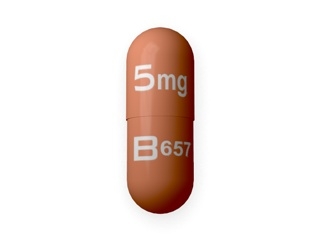
| Available Forms & Strengths | Capsules (0.5 mg, 1 mg, 5 mg), Prolonged-release capsules/tablets (0.5 mg, 1 mg, 3 mg, 5 mg), Oral suspension (rarely available), Injection (for hospital use) |
| Manufacturers | Astellas Pharma Australia, Sandoz, Accord Healthcare, Apotex, and others |
| Prescription Status | Prescription only (Schedule 4 - S4 medicine) |
Mechanism of Action
Simple terms:Tacrolimus lowers your body's immune response, helping prevent it from rejecting a transplanted organ (like a kidney, liver, or heart). It works by calming down certain immune cells to stop them from attacking the new organ.
For specialists:Tacrolimus is a macrolide immunosuppressant. It binds to the FK506-binding protein (FKBP-12), forming a complex that inhibits calcineurin phosphatase. This blocks T-cell activation and cytokine (especially IL-2) transcription, thereby preventing immune-mediated graft rejection.
Pharmacokinetics
- Absorption: Rapid but variable after oral dosing; peak plasma concentration 1–3 hours post-dose. Food significantly reduces and slows absorption.
- Bioavailability: About 20–25% (varies by patient and formulation).
- Metabolism: Extensively hepatic, primarily via CYP3A4.
- Elimination: Mainly through bile, with less than 1% via the kidneys. Terminal half-life is 12–16 hours (standard-release), longer in prolonged-release formulations.
- Duration of action: Dosing usually twice daily (standard) or once daily (prolonged-release).
Use in Everyday Life and Best Practices (Australia)
Tacrolimus is vital for Australians who have had, or are about to have, an organ transplant. It reduces the risk of your body rejecting a new kidney, liver, heart, or lung. It may also sometimes be used (off-label) for certain severe autoimmune conditions under specialist supervision.
- How to take: Swallow capsules whole with water. Do not open or crush.
- When to take: At the same time each day, according to your doctor's instructions.
- Missed dose: Take as soon as you remember unless it is almost time for the next dose. Never double up.
- Common regimen:
- Standard-release capsules: Twice daily (usually morning and evening, 12 hours apart)
- Prolonged-release: Once daily (preferably mornings)
- Your dose may be adjusted over time based on your blood levels and organ function.
Dosing – Morning vs Evening
- Regularity is crucial. Taking your medicine at the same times every day maintains steady blood levels—reducing the risk of rejection or toxicity.
- Morning dosing: Especially with the once-daily formulation, mornings are preferred for convenience and better absorption.
- Evening dosing: With twice-daily regimens, evening doses should be 12 hours apart from the morning. Set reminders to avoid missed doses.
- Tip: Link your dose to a routine (e.g., breakfast and dinner) but avoid taking with meals (see below).
Taking with Food or on an Empty Stomach
- Tacrolimus is best absorbed on an empty stomach—ideally, 1 hour before or 2 hours after food.
- Food (especially high-fat meals) reduces absorption and can increase dose variability.
- In Australia, traditional diets are varied. Try to take your medicine at the same time each day, in relation to food, for consistency.
- If you find it hard to take on an empty stomach, take it the same way each day with regard to meals.
- Grapefruit and grapefruit juice must be avoided as they can dangerously increase blood levels of tacrolimus (common in Australia).
Important Interactions
| Interaction | Effect | Advice |
|---|---|---|
| Grapefruit/grapefruit juice | Increases tacrolimus levels (may cause toxicity) | Avoid completely |
| Other fruit juices (e.g., pomegranate, pomelo) | Possible increased levels | Discuss with your healthcare team |
| Alcohol | Additive liver/kidney strain, potential side effects | Limit alcohol intake; monitor for side effects |
| Prescription medicines (e.g., ketoconazole, erythromycin, HIV meds, antiepileptics) | Can increase or decrease tacrolimus levels | Inform your doctor/pharmacist about all medications |
| Herbal products (e.g., St John’s Wort) | Drastically lowers tacrolimus levels, risking graft rejection | Avoid completely |
| NSAIDs (ibuprofen, naproxen) | Increased risk of kidney problems | Use only on medical advice |
Indications
| Indication | Status in Australia | Notes |
|---|---|---|
| Prevention of transplant rejection (kidney, liver, heart, lung) | Licensed (TGA approved) | Main use |
| Treatment of established rejection (with/without other immunosuppressants) | Licensed | After failure of other agents |
| Autoimmune diseases (e.g., myasthenia gravis, severe eczema, lupus nephritis) | Not TGA approved (off-label) | Specialist use only |
Dosing According to Clinical Indications
| Population | Initial Dose (Oral, standard-release) | Maintenance/Adjustment | Notes |
|---|---|---|---|
| Adult – Kidney transplant | 0.15–0.20 mg/kg/day (divided twice daily) | Titrate to blood trough levels (see specialist agreement) | Adjust based on levels (target 5–20 ng/mL in early phase) |
| Adult – Liver transplant | 0.10–0.20 mg/kg/day (divided twice daily) | Monitor and adjust | Same as above |
| Adult – Heart/Lung transplant | 0.075 mg/kg/day (divided twice daily) | Monitor and adjust | Same as above |
| Paediatric (all organs) | 0.20–0.30 mg/kg/day (divided twice daily) | Monitor and adjust | Children may require higher doses per kg |
| Elderly | Use adult starting dose | Monitor renal/hepatic function closely | May require lower dose due to metabolism |
Safety Profile and Side Effects
Tacrolimus has multiple effects and side effects, which you should be aware of. Most patients tolerate treatment well with regular monitoring. Always report any unusual symptoms promptly.
| Common Side Effects | Rare but Serious | Warnings |
|---|---|---|
|
|
|
Guidelines for Proper Use (Australia)
- Always use Prograf exactly as your doctor or transplant team prescribes.
- Keep a regular supply so you never run out—pharmacies in Australia may need to order in advance.
- Do not stop taking your medicine without medical advice.
- Attend all scheduled blood tests and clinic appointments.
- Store below 25°C, out of direct sunlight, and away from moisture.
- Carry a medication/organ transplant card in case of emergencies.
- Inform all healthcare professionals (dentists, pharmacists) that you take tacrolimus before procedures or new prescriptions.
Alternative Treatment Options (PBS-reimbursed in Australia)
- Ciclosporin (Neoral®, Sandimmun®): Older calcineurin inhibitor, similar function but more gum/skin side effects, more hypertension and cholesterol concerns.
- Everolimus (Certican®), Sirolimus (Rapamune®): mTOR inhibitors, used for select patients, but higher lipid and wound healing concerns; less nephrotoxicity covers some of Tacrolimus' limits.
- Mycophenolate mofetil (CellCept®), Azathioprine: Often combined with Tacrolimus or Ciclosporin to optimise the immunosuppressive effect.
Your transplant specialist will tailor your combination according to your needs, potential interactions, and tolerance. Prograf is often preferred for its effectiveness and fewer cosmetic side effects compared to ciclosporin, but requires more careful blood monitoring.
Legal, Registration, and Reimbursement Status (Australia)
- Registration status: Registered with the Therapeutic Goods Administration (TGA).
- Legal status: Schedule 4 (S4) prescription medicine; only available through prescription from a medical practitioner.
- Reimbursement: Listed on the Pharmaceutical Benefits Scheme (PBS) for transplant-related indications. Generally fully or partially subsidised for eligible patients.
- Safety monitoring: Requires regular laboratory and specialist checkups as part of ongoing care (per TGA requirements).
Latest Research and Clinical Guidance (2022–2025)
- Updated TGA and Australian Society of Transplantation guidance (2023) confirms Prograf’s key role as first-line therapy post-organ transplantation, particularly due to improved graft survival versus ciclosporin (see: Australian Prescriber 2022;45:170–176).
- Emerging research supports use of once-daily prolonged-release formulations (Advagraf®) for greater convenience and equivalent efficacy (Lancet 2024;403:755–765).
- Recent observational data suggest close monitoring helps reduce post-transplant diabetes and neurotoxicity risks (Transplantation Reviews 2023;37:101273).
- Global registries highlight importance of long-term skin cancer screening and infection prevention for those on tacrolimus (Kidney International Reports 2023;8:2173–2180).
Availability and Delivery (Australia)
| Pack Size | Capsule Strength(s) | Typical PBS Co-payment (2024) | Indicative Pharmacy Price (private script) |
|---|---|---|---|
| 50 capsules | 0.5 mg, 1 mg, 5 mg | $7.30 (concession), $30.00+ (general) | $40–$130 (varies by strength) |
| 30 tablets (Advagraf) | 0.5 mg, 1 mg, 3 mg, 5 mg | $7.30–$30 (PBS) | $50–$170 |
| City | Typical Pharmacy Collection | Home Delivery (express) |
|---|---|---|
| Sydney | Same or next day | 1–2 business days |
| Melbourne | Next day | 1–2 business days |
| Brisbane | Next day | 1–3 business days |
| Perth | 2–3 days | 2–5 business days |
| Adelaide, Canberra, Hobart | 1–2 days | 2–4 business days |
Frequently Asked Questions (FAQ)
- 1. What happens if I miss a dose?
Take the missed dose as soon as you remember—unless it is nearly time for your next one. Do not double dose. Contact your clinic for advice if you miss more than one dose. - 2. Can I have vaccinations while on tacrolimus?
You should not receive live vaccines (such as MMR, yellow fever, or live shingles vaccine). Always consult your doctor before any vaccination. - 3. Is it safe to drink alcohol with tacrolimus?
Moderate alcohol may be safe for some, but it can affect your liver or kidneys, especially in high amounts. Discuss with your care team before drinking alcohol. - 4. Can I take paracetamol or ibuprofen if I have a headache?
Paracetamol is usually safe in normal doses. Discuss use of ibuprofen/NSAIDs with your doctor before use due to kidney risks. - 5. Is this medicine available as a generic?
Yes, several brands and generic versions are registered in Australia. You may be given a generic equivalent by your pharmacy; effectiveness is equivalent, but report any issues with switching brands or formulations to your doctor.
For more information, please consult your transplant team, treating doctor, or contact your local community pharmacy for professional advice specific to your personal circumstances.