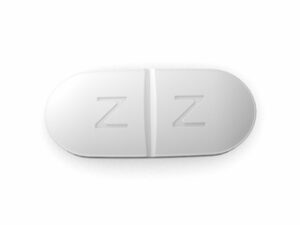
Namenda (Memantine) – Patient Information for Australia
Basic Product Information
| International Non-proprietary Name (INN) | Memantine |
|---|---|
| Australia Brand Names | Namenda, Ebixa, Memantine Sandoz, Memantine Accord |
| ATC Code | N06DX01 |
| Available Forms & Strengths | Film-coated tablets (10 mg, 20 mg), Oral solution (10 mg/mL) |
| Manufacturers | Lundbeck, Sandoz, Accord, Sigma Pharmaceuticals, among others |
| Prescription Status | Prescription Only (Schedule 4 – Prescription Medicine in Australia) |
Mechanism of Action
For Patients: Memantine works by regulating the activity of a chemical messenger in the brain called glutamate, which plays an important role in learning and memory. In Alzheimer's disease, too much glutamate can damage brain cells. By controlling glutamate activity, memantine may help slow down symptoms like memory loss and confusion.
For Specialists: Memantine is a moderate-affinity, uncompetitive NMDA receptor antagonist. It inhibits persistent, pathological activation of NMDA receptors by excess glutamate, which can lead to excitotoxic neuronal dysfunction and death. Memantine preserves physiologic synaptic transmission, providing potential neuroprotection in Alzheimer's and other neurodegenerative disorders.
Pharmacokinetics
- Absorption: Well-absorbed orally with peak plasma concentrations reached in 3–7 hours.
- Metabolism: Not extensively metabolised; about 80% excreted unchanged in urine.
- Elimination Half-life: Approximately 60–80 hours.
- Duration of Action: Once-daily dosing is sufficient for most patients.
- Steady State: Achieved within 2–3 weeks of starting therapy.
Use in Everyday Life and Best Practices (Australia Context)
Memantine is primarily used to treat moderate to severe Alzheimer's Disease. It is taken orally once daily, with or without food. The dose is usually started low and gradually increased to reduce side effects. Some tablets can be split or crushed, but always check with your pharmacist or doctor before altering the form.
- Take memantine at the same time each day to help establish a routine and minimise missed doses.
- Set reminders – especially for carers, as forgetting doses can affect how well the medicine works.
- If you forget a dose, take it as soon as you remember unless it’s almost time for your next dose (don’t double up).
- Store in a cool, dry place away from direct sunlight and out of reach of children.
English dietary context: Memantine can be taken with or without meals. There is no need to adjust for typical English diets (e.g., bread, cereals, tea, common breakfast foods).
Dosing in the Morning vs Evening
- Morning advantages: May suit carers’ schedules, aligns with usual routines for other medicines, and individuals are more likely to remember doses with breakfast.
- Evening dosing: May be better for patients with morning confusion; however, some people report sleep disturbances when taken at night.
- Tip: Choose a regular time, morning is generally preferred, but the key is consistency. Discuss with your doctor or pharmacist the schedule that fits your lifestyle best.
Taking with Food or on an Empty Stomach
- Food does not significantly affect memantine absorption.
- Can be taken with a meal, a snack, or on an empty stomach—whichever best fits your daily habits.
- Patients following specific English dietary patterns (such as vegetarian diets or gluten-free diets) do not need to take special dietary precautions.
Interaction Warnings
Always inform your doctor or pharmacist about all medicines you are taking, including over-the-counter, vitamins and herbal supplements. Notable interactions:
| Substance | Potential Interaction | Advice |
|---|---|---|
| Amantadine, Ketamine, Dextromethorphan | Increased risk of side effects (similar mechanism of action) | Avoid combination where possible |
| Other NMDA antagonists | Increased neurotoxic risk | Discuss alternatives with your doctor |
| Carbonic anhydrase inhibitors (eg. acetazolamide), sodium bicarbonate | Increased plasma memantine levels (urine alkalinisation reduces excretion) | Avoid unnecessary alkalinisation of urine |
| Anticholinergic drugs | May increase side effects such as confusion or agitation | Monitor closely |
| Alcohol | May worsen side effects such as dizziness and confusion | Limit or avoid consumption |
Indications for Use
| Indication | Status in Australia |
|---|---|
| Moderate to severe Alzheimer's Disease | Approved (PBS reimbursed) |
| Other dementias (vascular, mixed) | Off-label (not routinely funded) |
| Parkinson’s Disease dementia, Lewy Body dementia | Off-label (specialist use only) |
| Other potential neuropsychiatric uses | Experimental/off-label |
Dosing According to Clinical Indication
| Patient Group | Starting Dose | Maintenance Dose | Maximum |
|---|---|---|---|
| Adults/Elderly (Alzheimer's) | 5 mg once daily | 10 mg twice daily (total 20 mg/day) | 20 mg/day |
| Paediatric (off-label)* | Individualised | Not routinely recommended | Use with specialist guidance |
| Renal impairment | Start as above, but consider slower titration; reduce dose in severe renal dysfunction | 10 mg/day (GFR 30–49ml/min), 10 mg alternate days (GFR 10–29ml/min) | 10 mg/day or as advised |
| Hepatic impairment | Use with caution, no dose adjustment for mild-moderate impairment | Specialist advice for severe impairment | N/A |
*Memantine is not routinely used in children. Specialist evaluation and approval required.
Safety Profile and Side Effects
| Side Effect | Frequency | Advice |
|---|---|---|
| Dizziness | Common | Rise slowly from sitting/lying; avoid driving if affected |
| Headache | Common | Usually mild; paracetamol may help |
| Constipation | Common | Increase dietary fibre, fluids; ask your pharmacist for advice if persistent |
| Confusion, agitation, hallucinations | Uncommon | May improve with dose reduction or withdrawal; urgent review if severe |
| Elevated blood pressure | Rare | Monitor in patients with history of hypertension |
| Seizures | Very rare | Stop memantine and seek immediate medical attention |
| Allergic reaction (rash, swelling) | Very rare | Immediate withdrawal and medical attention required |
Most side effects are mild and temporary. Always report persistent or severe problems to your doctor or pharmacist.
Guidelines for Proper Use (Pharmacist’s Advice)
- Read the Consumer Medicine Information (CMI) leaflet supplied with your pack.
- Use a pill organiser or a daily calendar to keep track of doses.
- If you have difficulty swallowing tablets, some brand formulations can be split, crushed, or taken as a liquid—ask your pharmacist for guidance.
- Attend regular follow-up appointments—your doctor will monitor your condition and adjust treatment as needed.
- Never stop suddenly without speaking with your prescriber, as abrupt discontinuation may worsen confusion and agitation.
- Let your doctor know about any new symptoms or changes in behaviour.
- If you are caring for someone taking memantine, support them with reminders and help with routine.
Alternative Treatment Options
- Donepezil (Aricept, Donepezil Sandoz): A cholinesterase inhibitor used for mild to moderate Alzheimer’s disease. May be used in combination with memantine. Side effects may include nausea, diarrhoea, insomnia. Available on PBS.
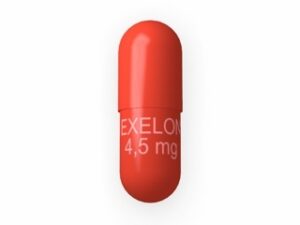
- Rivastigmine (Exelon): Another cholinesterase inhibitor, available as capsules and a transdermal patch. Risk of gastrointestinal side effects. Available on PBS.
- Galantamine (Reminyl): Similar to above, used for mild to moderate Alzheimer’s. May be associated with fewer behavioural side effects than others in this class.
- Supportive therapies: Cognitive rehabilitation, routine physical activity, carer support and occupational therapy are recommended as part of a comprehensive approach.
While memantine is reserved for moderate to severe cases, cholinesterase inhibitors are first-line for milder disease. Combination therapy may provide additional benefit but should be tailored to individual circumstances.
Legal, Registration, and Reimbursement Status in Australia
- Approved by the Therapeutic Goods Administration (TGA) for use in moderate to severe Alzheimer’s disease.
- Available on the Pharmaceutical Benefits Scheme (PBS) for eligible patients.
- Prescriber must be a registered medical practitioner; specialist (geriatrician, psychiatrist, neurologist) assessment often required at initiation.
- Regular review and periodic assessment of benefit as per PBS conditions.
- Private prescription available for off-label indications, but not PBS reimbursed.
Latest Research & Clinical Guidance (2022–2025)
- Recent systematic reviews and Australian clinical guidelines continue to support memantine’s modest benefit in cognition, daily function, and behaviour in moderate to severe Alzheimer’s disease: Dyer SM et al., “Treatment of dementia in the acute care setting: Guidelines for clinicians in Australia and New Zealand,” MJA, 2023.
- Combination therapy with cholinesterase inhibitors may give additional benefit in certain patients, though not routine for all: Shergill SS et al., “Combination therapies in dementia care,” International Journal of Geriatric Psychiatry, 2024.
- Long-term studies suggest memantine is generally well-tolerated in older adults and does not substantially increase risk of falls or serious adverse events.
- No new approvals for paediatric use; safety and efficacy outside Alzheimer’s disease are still being researched.
- Use only as part of a person-centred, multidisciplinary care plan.
Availability and Delivery in Australia
| Pack Size | Form | Indicative PBS Price (concession) |
|---|---|---|
| 28 tablets | Film-coated tablet (10 mg, 20 mg) | $7.30 (PBS concession) |
| 50 mL | Oral solution (10 mg/mL) | $7.30 (PBS concession) |
| Australia City | Usual Pharmacy Delivery Time* |
|---|---|
| Sydney, Melbourne, Brisbane | Same-day to next business day |
| Adelaide, Perth, Canberra | 1–2 business days |
| Darwin, Hobart, regional/rural | 2–5 business days |
*Indicative only. Actual delivery time varies by pharmacy and local stock availability. Always check with your pharmacist.
Frequently Asked Questions (FAQ)
- Can memantine cure Alzheimer's disease?
No, memantine is not a cure. It may help with symptoms such as memory, thinking, and behaviour in moderate to severe Alzheimer’s disease, but does not stop the underlying disease process. - How long before I see benefits from memantine?
Some patients notice a difference within a few weeks, but it may take 1 to 3 months to assess the full impact. Regular follow-up with your healthcare provider is important. - Can memantine be used with other Alzheimer’s medicines?
Yes, it is sometimes prescribed alongside cholinesterase inhibitors such as donepezil, as combination therapy may benefit some patients. - Are there activities I should avoid while taking memantine?
Avoid driving or operating machinery until you know how memantine affects you—dizziness and drowsiness can occur, especially at the start of treatment. - What should I do if I miss a dose?
Take the missed dose as soon as you remember. If it is almost time for your next dose, skip the missed dose—do not double up.
Need more help? Speak to your local pharmacist or GP for individual medicines advice. For medicine information 24/7, call the Healthdirect Australia hotline at www.healthdirect.gov.au or call 1800 022 222.